iPhone’s Social Edge: Why This Creator Switched Back
A content creator explains their surprising switch to an iPhone, citing the seamless social experience and app advantages as key reasons, despite recent Android advancements and initial setup frustrations.

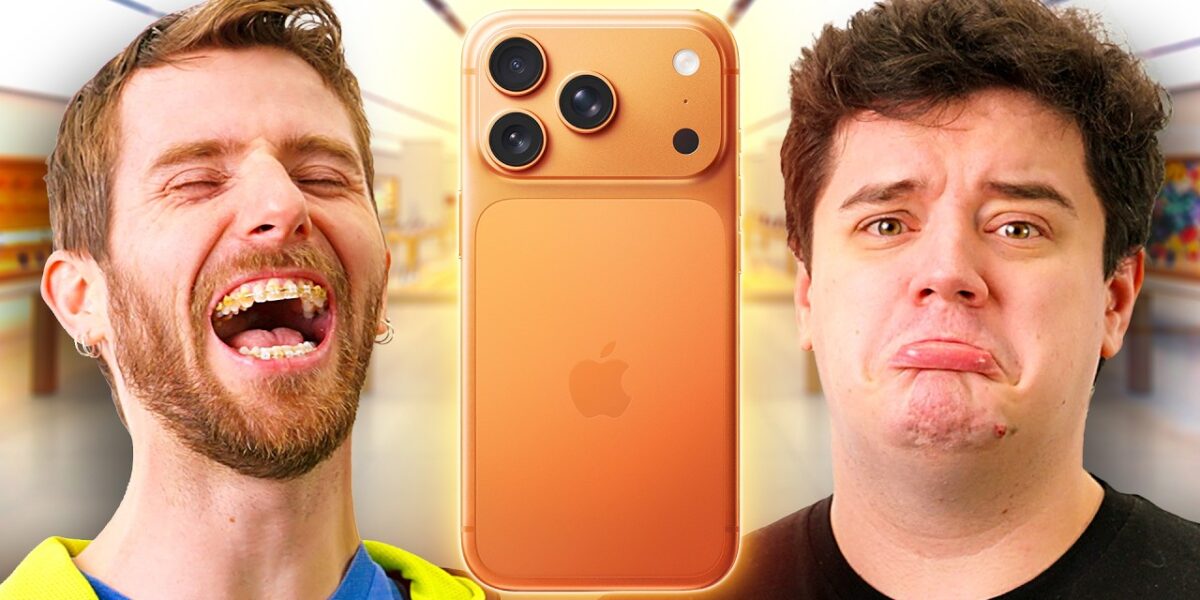
iPhone’s Social Edge: Why This Creator Switched Back
In a surprising turn of events, a tech enthusiast and content creator has detailed their decision to switch from Android to the latest iPhone, citing a compelling, albeit unexpected, reason: the social experience. Despite purchasing the iPhone 17 Pro Max just weeks before significant Android advancements like enhanced AirDrop compatibility and the highly anticipated Samsung Foldable, the creator found the iPhone’s ecosystem indispensable for their professional and social life.
The Social Hurdle: AirDrop Woes and Networking Gaps
The catalyst for the switch wasn’t a desire for the latest flagship specs or a specific gimmick, but rather a recurring frustration encountered at networking events like TwitchCon. The creator recounts numerous instances where the inability to seamlessly share contact information via AirDrop with iPhone users created an awkward barrier. While Android’s Quick Share exists, the creator notes that AirDrop is deeply integrated into the iPhone’s user experience, making it second nature for Apple users. In contrast, Quick Share felt like an afterthought, often requiring extra steps or even causing confusion among long-time Android users.
This perceived social disadvantage extended to app features as well. The creator highlights how new features and updates, particularly those geared towards content creators, often debut exclusively on iOS or arrive significantly later on Android. Examples include YouTube’s delayed support for certain features on Android and Instagram’s ‘Trial Reels’ feature, which remained unavailable on many Android devices for an extended period.
Beyond the Social: Quality of Life and Ecosystem Magic
While the social aspect was the primary driver, the creator also found themselves appreciating other iPhone features. The user experience, described as “easy on the eyes” with smooth transitions and animations, contributes to a sense of luxury. The display’s ability to dim significantly is praised for late-night use, and the battery life has proven to be multi-day, with fast charging mitigating any battery anxiety.
Contrary to common criticisms, the creator found iPhone customization to be on par with, or even better than, some Android devices they’ve used. The lack of sideloading, often cited as a major drawback for Android users, was not a personal limitation, as the creator admitted to rarely, if ever, sideloading apps on their Android devices.
The Downsides: Setup Struggles and Keyboard Frustrations
However, the transition wasn’t without its significant hurdles. The setup process for the new iPhone was a multi-day ordeal, plagued by issues with the ‘Move to iOS’ app. Overheating, dead batteries during transfer, and the app freezing for hours were common complaints. While acknowledging Android’s fragmentation as a potential cause, the creator felt Apple should provide clearer warnings about compatibility issues.
The default iPhone keyboard also drew sharp criticism. The creator found it to be the “worst default keyboard” they had ever used, citing wasted space and the placement of the dictation key adjacent to the send button as particularly frustrating. Furthermore, the three-swipe gesture system for accessing apps, notifications, and the control center was deemed confusing and less ergonomic than a simpler swipe-up gesture.
The Camera: A Clear Advantage
The iPhone’s camera system is lauded as a significant advantage, especially for social media. The creator described it as the “best camera I’ve ever used on a mobile device, no question.” They noted that while the default app felt basic, third-party camera apps unlocked immense potential. This superiority is attributed to iOS’s tight integration with hardware, which allows for more consistent and efficient image processing compared to the fragmented Android ecosystem. This was exemplified in a side-by-side comparison of Twitch streams, where the iPhone footage, even after compression, looked superior to the Android stream using the rear camera.
Who Should Care?
The creator identifies two main user groups who would benefit from an iPhone:
- The “Just Want a Phone” User: Individuals who prioritize a straightforward, reliable device without delving into technicalities like sideloading or deep customization. For them, the iPhone offers a complete, polished package.
- Content Creators: Professionals who rely on seamless app functionality, quick file sharing (AirDrop), and excellent camera performance for their work. The iPhone’s ecosystem prioritizes these needs.
The Verdict: A Hard Switch Back
Despite the initial setup woes and keyboard gripes, the creator feels the iPhone’s social integration and overall ecosystem benefits outweigh the drawbacks. They express regret for not switching sooner and admit that winning them back to Android would require something extraordinary, perhaps a deeper dive into the new Samsung Foldable.
Specs & Key Features
- Model: iPhone 17 Pro Max (and iPhone 17 base model)
- Key Selling Points: Seamless social sharing (AirDrop), superior camera performance, integrated ecosystem, quality of life features.
- Criticisms: Difficult initial setup via ‘Move to iOS’ app, less intuitive default keyboard, complex swipe gestures.
- Notable Features: Enhanced dimming display, multi-day battery life, fast charging, robust third-party app integration.
The creator’s journey highlights that for some, especially those deeply embedded in social networking and content creation, the intangible benefits of Apple’s tightly controlled ecosystem can indeed trump the perceived freedoms of Android.
Source: I TOLD Him Not to Buy an iPhone (YouTube)

Related Articles

Actors, Producers Slam TV Bosses for ‘Dumbing Down’ Content
Leading actors and TV producers are criticizing broadcasting executives for creating "dumbing down" content that patronizes viewers and caters to distracted, second-screen viewing habits. Concerns are rising that complex storytelling is being sacrificed for easily digestible, risk-averse programming.

From Minecraft to Millions: A Media Empire’s Rise
From a 9-year-old Minecraft enthusiast to a leading political commentator with 2 million YouTube subscribers, Adam Mockler's journey showcases the power of early passion and consistent effort. He has built a media company by blending content creation with a clear vision for influencing public discourse.

YouTube Channel Faces View Slump, Creator Explores New Direction
A popular geopolitical YouTube channel is experiencing a significant drop in viewership, prompting the creator to experiment with new content formats like food vlogs and consider a major channel overhaul. With a two-month evaluation period set, the future direction of the channel hangs in the balance as the creator seeks to re-engage audiences and maintain relevance.