Trump’s ‘Bones’ Strategy: War, Incursion, or Excursion?
Donald Trump's pronouncements on a military conflict reveal a troubling reliance on personal intuition and semantic ambiguity. This analysis explores the implications of his "bones" strategy, the confusing terminology, and the human and economic costs of undefined warfare.

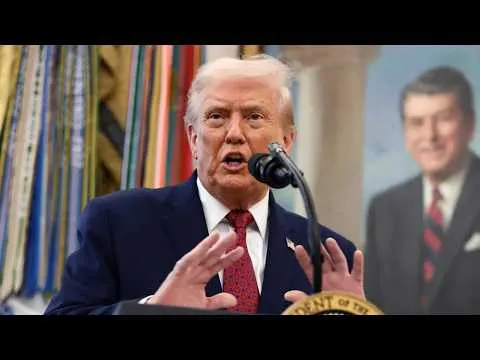
Trump’s ‘Bones’ Strategy: War, Incursion, or Excursion?
In a political landscape often characterized by carefully crafted messaging and strategic ambiguity, former President Donald Trump’s recent pronouncements regarding a military engagement have raised more questions than answers. The transcript reveals a concerning pattern of semantic gymnastics and a reliance on personal intuition over clear policy, leaving the public and even members of the press in a state of confusion about the nature, objectives, and duration of the ongoing conflict. This analysis delves into the implications of such ambiguity, the historical context of presidential decision-making in times of conflict, and the potential consequences for national security and public trust.
The Ambiguity of ‘Bones’
The most striking element of Trump’s recent statements is his assertion that he will know when a conflict is over “when I feel it in my bones.” This personal, almost mystical, approach to warfare stands in stark contrast to the established norms of military strategy and presidential leadership. While the transcript notes that 13 Americans have died and 140 have been wounded, the decision-making process appears to be guided by an internal, subjective feeling rather than objective criteria. This raises serious concerns about accountability and the seriousness with which the lives of service members are being treated.
War, Incursion, or Excursion? The Semantic Shuffle
Adding to the confusion is the inconsistent terminology used to describe the military action. Trump himself has referred to the engagement as both an “excursion” and a “war.” When pressed by reporters, the explanation offered was that it was “an excursion that will keep us out of a war,” yet for the adversaries, “it’s a war.” This linguistic flexibility, while perhaps intended to project control or downplay the severity of the situation, serves only to obscure the reality on the ground. The transcript points out that the distinction between a war and an incursion is significant, as Congress holds the constitutional power to declare war. The use of terms like “excursion” suggests an attempt to circumvent this oversight, with congressional leaders like Mike Johnson and John Thune seemingly content to act as passive enablers rather than active participants in critical national security decisions.
A Recurring Theme of Contradiction
The ambiguity surrounding the conflict is not an isolated incident but a recurring theme in Trump’s rhetoric. For weeks, he has oscillated between suggesting the conflict is “mostly over” and could conclude “soon,” while simultaneously stating it “could take forever” and that the U.S. has the “capability to go far longer than that.” This stark contradiction, delivered within days of each other, suggests a lack of a coherent strategy or, worse, a deliberate attempt to manipulate public perception by making it difficult for the news cycle to keep pace with evolving narratives. The transcript highlights the disconnect between these pronouncements and the reality of American casualties.
Historical Context: Presidential Decision-Making in Conflict
Historically, presidential decisions regarding military engagements have been subject to intense scrutiny, particularly when they involve significant human cost and unclear objectives. The transcript draws a parallel to a hypothetical scenario involving former President Barack Obama, suggesting that a similar level of ambiguity and apparent indifference to casualties would have triggered widespread outrage and congressional investigation. The current situation, however, is met with a relative silence from Trump’s usual media allies. This selective outrage underscores a partisan divide in how presidential actions are perceived and judged, potentially eroding the standards of accountability for all leaders.
The Human Cost: Beyond Semantics
The transcript starkly reminds us that beyond the semantic debates and political maneuvering, people are dying. Over a dozen American service members have lost their lives. The report of the U.S. striking a school in Iran, resulting in the deaths of over 160 children, is particularly harrowing. The response from the commander-in-chief, “I don’t know about it,” is presented as a profound failure of leadership and accountability. This lack of direct engagement with such a grave incident, especially when contrasted with the potential outcry had it involved a different administration, speaks volumes about the current political climate and the erosion of expected presidential conduct.
Economic Repercussions: More Than Just Feelings
The consequences of this undefined military engagement extend beyond the battlefield and into the daily lives of Americans. The transcript notes a surge in gas prices, directly linking it to the conflict. While gas prices are influenced by a multitude of factors, the current administration’s actions are presented as a direct contributor. This is particularly ironic given Trump’s campaign promises to lower energy costs and achieve “energy independence.” The disconnect between promises and reality, amplified by the ongoing conflict, leaves everyday Americans struggling to make ends meet.
The Absence of a Plan
The through line connecting the “I don’t know about it” response, the conflicting definitions of the conflict, the contradictory timelines, and the surge in gas prices is the apparent absence of a coherent plan. The transcript argues that there is no strategy, only reactive decisions driven by immediate impulses. This lack of foresight, accountability, and transparency is a critical failing that undermines national security and public trust. The author challenges readers to question the notion of Trump being a “strong leader” by asking pointed questions about the strategy, objectives, and endgame of the current military actions.
Why This Matters
The implications of this situation are far-reaching. Firstly, it erodes the public’s trust in leadership and military decision-making when the rationale and objectives are unclear or based on subjective feelings. Secondly, the use of semantic ambiguity to potentially circumvent congressional oversight is a dangerous precedent. Thirdly, the human cost of war, whether labeled an incursion or an excursion, demands clear communication, accountability, and a defined mission. Finally, the economic impact on citizens cannot be ignored. The lack of a clear plan in foreign policy can have tangible and detrimental effects on domestic stability and prosperity.
Future Outlook and Trends
This analysis suggests a trend towards increasingly personalized and less transparent foreign policy decision-making, particularly in the current political climate. The reliance on intuition over established strategic frameworks, coupled with the weaponization of media and political discourse, creates an environment where accountability is difficult to enforce. The future outlook depends on whether the public and political institutions can reassert the importance of clear objectives, transparency, and accountability in matters of war and peace. The rise of independent media and direct communication channels, as mentioned in the transcript, may offer alternative avenues for critical discourse, but the challenge of combating misinformation and ensuring responsible reporting remains paramount.
Source: OMG: Trump drops BOMBSHELL announcement on his war (YouTube)

Related Articles
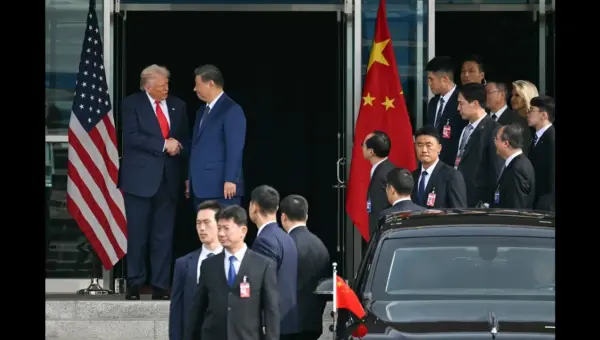
Trump’s “Walk Away” Tactic Signals Tougher Stance on China
Retired Air Force Brigadier General David Stillwell believes President Trump's strategy of being willing to walk away from negotiations puts pressure on China. This tactic, combined with US global actions and strengthened alliances, signals a more assertive American foreign policy.
Trump’s Name Everywhere: A ‘Stain’ on GOP Legacy?
Former President Donald Trump's efforts to brand national symbols, including a proposed signature on dollar bills, spark debate. Critics view this as an authoritarian attempt to embed his legacy, potentially staining the Republican Party's history and contrasting with democratic ideals of public ownership.
Trump’s War Talk Stuns Financial Crowd
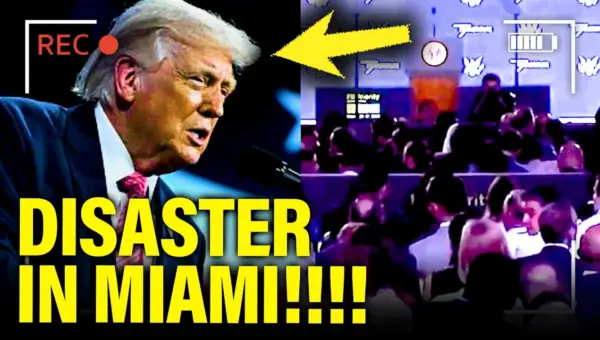
Donald Trump's recent speech in Miami focused on his foreign policy, particularly his critical views on NATO and his vision for international relations. He declared the U.S. would no longer defend NATO allies, questioned the value of existing alliances, and suggested renaming the Strait of Hormuz. The speech also touched on his personal views of success, his allies, and his perceived role as a global peacemaker.