Trump’s Iran Strategy Sparks Economic Turmoil, Fuels Voter Anger
The abrupt removal of Treasury Secretary Scott Bassent from a live interview underscores the Trump administration's struggle to manage the economic fallout from the Iran conflict. Rising gas and fertilizer prices are fueling voter anger, creating a precarious political landscape.

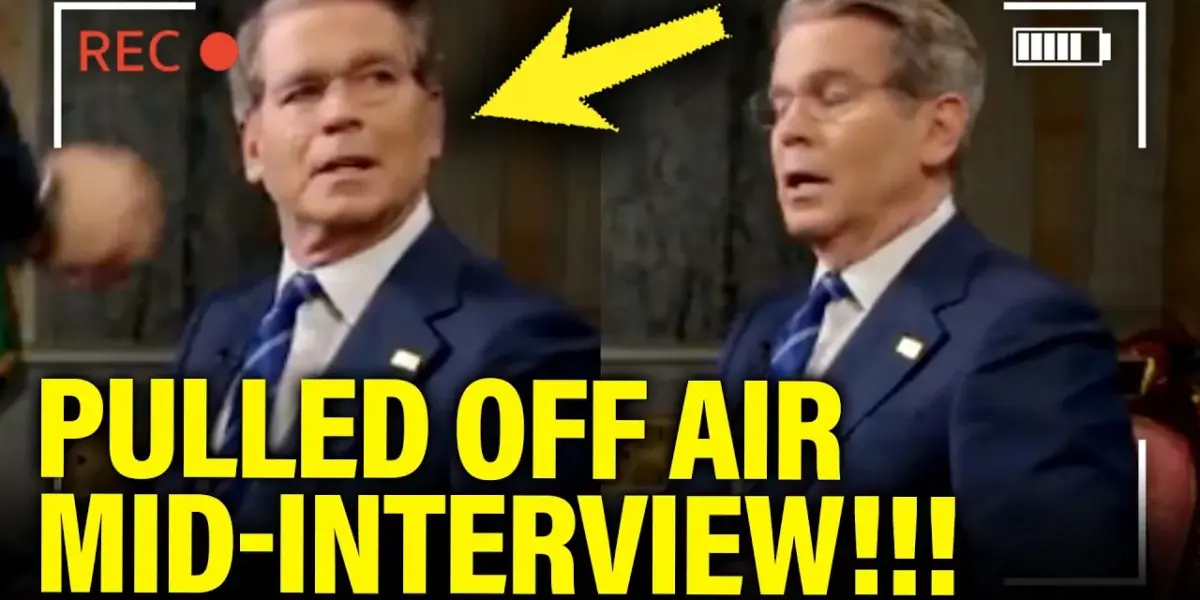
The abrupt end to a live interview with Treasury Secretary Scott Bassent, yanked to the White House Situation Room, served as a stark visual metaphor for the escalating crisis engulfing the Trump administration. The incident, triggered by an urgent summons, highlighted the administration’s struggle to manage the fallout from a widening conflict with Iran, a situation that is rapidly bleeding into the economic anxieties of the American public.
The scene was almost theatrical: Treasury Secretary Scott Bassent, mid-interview with Sky News, was suddenly interrupted by an aide. The message was blunt: “The president wants you right away.” Within moments, his microphone was removed, and he was whisked away to the White House. The interview, abruptly halted, resumed two hours later with a visibly shaken Bassent, who, according to reporter Wilfred Frost, was barely able to speak. While Bassent later claimed the President was in “great spirits” and that the “Iranian mission is proceeding well ahead of schedule,” the initial disruption and his subsequent demeanor suggested a more turbulent reality behind the scenes.
The Economic Ripple Effect of Geopolitical Tensions
The core of the crisis, and the likely reason for Bassent’s hurried departure, appears to be the United States’ involvement in a conflict with Iran and its impact on global energy markets. Bassent revealed that the U.S. was considering deploying Navy escorts to safeguard oil tankers navigating the Strait of Hormuz, a critical artery for global oil supply, responsible for approximately one-fifth of the world’s oil. This strait is not only vital for energy but also for the transit of fertilizers, a fact that has direct repercussions for American farmers already grappling with rising costs.
The transcript details the dire situation faced by American farmers. With planting season underway, the conflict in Iran has led to a significant surge in the price of nitrogen urea, a key component of fertilizer. Despite only a fraction of the world’s fertilizer passing through the Strait of Hormuz daily, fertilizer costs have reportedly jumped by nearly 77% in just 12 days of conflict. This dramatic increase, juxtaposed with a mere 5% rise in corn prices, paints a grim picture for agricultural producers, many of whom were already struggling and facing the prospect of needing bailouts.
The impact extends beyond agriculture. The disruption in the Strait of Hormuz has caused tank traffic to collapse, leading maritime insurers to classify the area as a high-risk war zone. Consequently, oil prices have surged past $100 per barrel, marking the most significant disruption to global supply since the energy crisis of the 1970s. This surge directly translates to higher gasoline prices for consumers, a point underscored by past statements from Donald Trump himself, who frequently criticized rising gas prices as a sign of failed leadership.
Now, with gas prices climbing again, the administration faces a potent political challenge. Trump’s recent statement on True Social, framing the short-term oil price increase as a “small price to pay for USA and world safety and peace,” attempts to reframe the narrative. However, the immediate reality for Americans at the pump—where gas prices have risen from around $2.99 to $3.47 in a week—is one of increasing financial strain. The transcript highlights the sentiment of outrage, with one commentator noting, “Gas prices are going to destroy this country.”
Historical Parallels and Shifting Public Opinion
The current situation draws parallels to past U.S. involvements in the Middle East, where prolonged military engagements have often been met with public weariness and economic strain. The transcript points out that the American people are increasingly reluctant to foot the bill for yet another war in the region. While support for the initial strikes against Iran may be high, polling data suggests that Republicans, let alone Democrats and Independents, are not in favor of deploying American troops on the ground in the Middle East again.
The administration’s messaging appears to be in flux, struggling to define the conflict. Is it a “war,” a “conflict,” or an “excursion,” as suggested by Trump? This ambiguity underscores the difficulty in reconciling the current actions with Trump’s past promises of avoiding new wars. The transcript suggests this fundamental betrayal of a core promise could be damaging to the movement’s credibility and raises questions about the advisors shaping policy.
The Intertwined Fates of Economy and Security
The analysis emphasizes that while wars may dominate headlines, it is the economy that ultimately dictates election outcomes. The Trump administration finds itself in a precarious position where the economic repercussions of the Iran conflict are becoming inextricably linked to its political fortunes. The rising cost of gasoline, which impacts virtually every aspect of daily life, and the soaring price of fertilizer are tangible issues that resonate deeply with voters.
The administration’s response, characterized by a visible struggle to manage multiple crises simultaneously—the widening conflict, rising oil prices, and the economic fallout—does not project an image of confidence. The abrupt removal of the Treasury Secretary from an interview serves as a potent symbol of a government appearing to be in crisis management mode, scrambling to address problems that are increasingly difficult to contain.
Trump’s assertion that the economy “will bounce right back when it’s over” and his reliance on a gut feeling to determine when the conflict ends, while perhaps intended to convey decisiveness, also reveal a potential disconnect from the immediate economic realities faced by ordinary Americans. The transcript suggests that the administration’s approach is short-sighted, failing to fully grasp the interconnectedness of national security, economic stability, and public sentiment.
Why This Matters
The events described highlight a critical juncture for the Trump administration. The conflict in Iran, initially framed as a necessary security measure, is now presenting significant economic challenges that directly impact American households and businesses. The surge in gas and fertilizer prices, coupled with the historical reluctance of the American public to engage in protracted Middle Eastern conflicts, creates a volatile political landscape. The administration’s ability to navigate these interconnected issues—balancing national security imperatives with economic realities and public opinion—will be a defining factor in its sustained success and public trust. The perception of the government scrambling, rather than confidently leading, only exacerbates the existing anxieties.
Implications, Trends, and Future Outlook
The immediate trend is one of escalating economic pain for consumers and producers, directly linked to geopolitical actions. The long-term implication is a potential erosion of public support if economic hardship persists. The administration’s challenge will be to demonstrate effective leadership that addresses both security concerns and economic well-being. Failure to do so could lead to increased public dissatisfaction and political vulnerability. The reliance on a subjective “feeling” to end a conflict, as stated by President Trump, suggests a potential for prolonged uncertainty, further exacerbating economic instability. The administration must find a way to project confidence and control amidst these converging crises, lest the economic repercussions overshadow any perceived security gains.
Source: Trump has WAR MELTDOWN…DRAGS Top OFFICIAL OFF AIR! (YouTube)

Related Articles

Stocks Ignore War Risks, Focus on “Taco Moments”
Stock markets appear to be overlooking the severe supply chain risks stemming from the Iran conflict, focusing instead on potential diplomatic de-escalations. While the S&P 500 shows resilience, bond and commodity markets signal deep concern over disruptions to critical resources like LNG, helium, and fertilizers.

DOJ Official’s Remarks Spark Outrage Over Political Allegations
A top Trump DOJ official's speech at CPAC has sparked controversy, with claims of incriminating admissions regarding fears of prosecution and alleged political motivations. The remarks have raised serious questions about impartiality within the Department of Justice.
Iran War Claims Ring Hollow as US Troops Injured in New Attack
Days after Donald Trump claimed "we've won" the war with Iran, a new attack injured approximately a dozen U.S. troops and damaged aircraft. This incident contradicts Trump's assertions of victory and raises serious questions about the strategy and reality of the ongoing conflict.