FBI Agents Train with UFC Fighters, Sparking Outrage
FBI Director Kash Patel's decision to have FBI agents train with UFC fighters has drawn sharp criticism. Experts argue the training methods are ill-suited for law enforcement's arrest-focused objectives. The move sparks debate about the bureau's priorities amid global tensions.

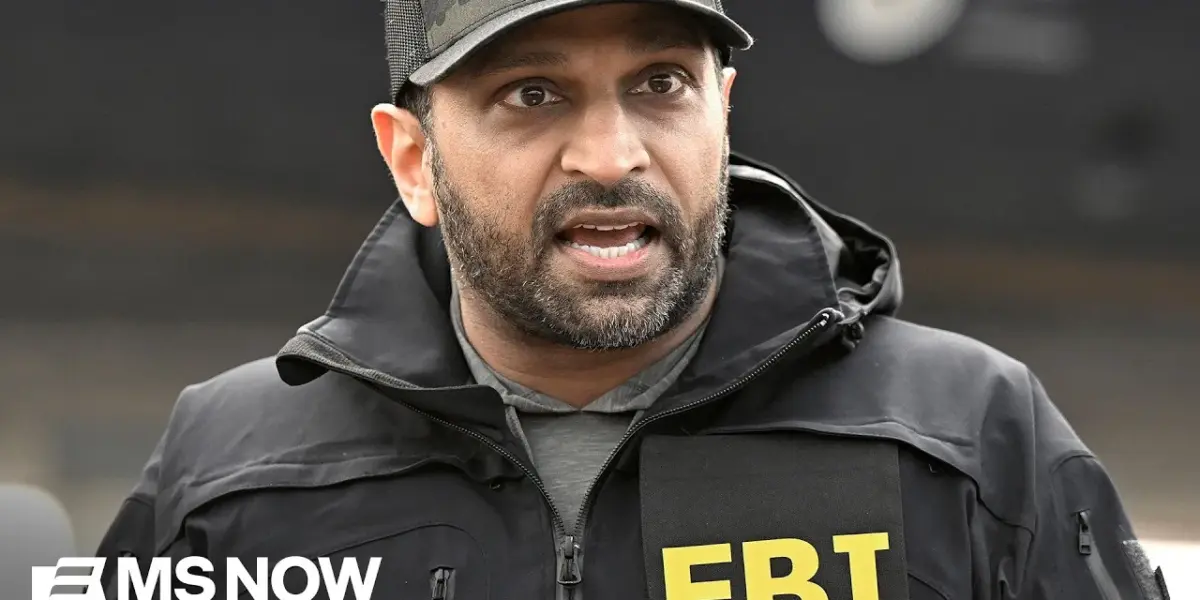
FBI Director Taps UFC Fighters for Agent Training
In a move that has drawn widespread criticism and bewilderment, FBI Director Kash Patel has enlisted the help of Ultimate Fighting Championship (UFC) fighters to train FBI agents this past weekend at the bureau’s academy in Quantico, Virginia. The decision, announced by Patel, has been met with skepticism and concern from former law enforcement officials and insiders, who question the relevance and appropriateness of such training in the current geopolitical climate.
Questionable Priorities Amidst Geopolitical Tensions
The initiative comes at a time of heightened global tensions, including an ongoing conflict with Iran and rising antisemitism. Former Assistant Special Agent in Charge at the FBI and national security analyst Michael, who preferred not to give his last name, expressed his bewilderment. “I actually think physical fitness is super important and I want law enforcement to be healthy and strong,” he stated. “But I think that now that we’re at war with Iran, I would feel even better if they were spending the weekend with the world’s preeminent cyber counter-terror and Iran experts.” He suggested that prioritizing current events might have offered a more “elegant way to handle” the need for agent preparedness.
“It seems like, even if you want to save face and say this is such a good idea, we’re going to do it later, but current events have me prioritizing something else.”
Experts Question Training’s Efficacy for Law Enforcement
The core of the criticism lies in the fundamental differences between professional fighting and the tactical requirements of law enforcement. While acknowledging a personal appreciation for hand-to-hand combat, having spent years as an amateur boxer, Michael argued that the goals diverge significantly. “When FBI agents are training to fight, they’re doing so with a purpose. They’re doing so to effect arrests or to end a fraught situation,” he explained. “And when they are engaged in a fight, their goal is emphatically not to wrestle somebody to the ground and engage in three-minute rounds of ground fighting.”
Instead, the objective for FBI agents is to “momentarily incapacitate the subject, create space between them so that they can safely draw their weapon and apprehend the individual in the normal means of arrest.” Unlike cage fighting, FBI agents are not confined by geographical limits, nor are they scoring points or entertaining an audience. Their mission is to “get an important job done.” The FBI has a long-standing, elaborate hand-to-hand combat and defensive tactics curriculum designed specifically for safely effectuating arrests, not for proving toughness or forcing an opponent to submit.
Internal Discontent and Leadership Concerns
The decision to bring in UFC fighters has reportedly caused significant consternation within the FBI and its alumni community. “Everybody, everybody with whom I speak in the FBI, which is still a very considerable number of people and within its alumni community, everyone’s aghast at this. This is insane,” Michael reported. He attributed such decisions to an administration that has not engaged in the “hard work of public service.”
He further critiqued Patel and former President Donald Trump, stating, “Kash Patel has no idea what it’s like to be in a fistfight. Donald Trump has no idea what it’s like to go to war. So, they’re basically just doing things that they think like the cool guys who do this sort of thing would do.” The sentiment among many agents, he noted, was a desire to protect communities, where learning to inflict violence was a necessary but secondary component to that larger goal, not an end in itself.
“I don’t know anybody in the FBI who wanted to be an ultimate fighter. We wanted to protect our communities. And learning how to inflict violence was a necessary part of that, but you did it because it was part of that larger goal. You didn’t do it as an end unto itself.”
“Play Acting” and Disregard for Experience
The article draws a parallel between this training initiative and what it describes as a pattern of “play acting” by individuals in leadership positions. Examples cited include the public personas of figures like Pete Hegseth and Donald Trump, and Patel’s alleged request for an equipment cage and locker within the Hostage Rescue Team facility. “These people are play acting, which would be fine if they were doing it with their own resources on their own time,” the analysis posits. “But they’re supposed to be serving the country, and every time they engage in silliness like this, they make it more difficult for the people who actually are serving.”
A significant concern raised is the apparent lack of reverence for experienced FBI personnel. Instead of valuing the decades of expertise, particularly in the post-9/11 era, the leadership is seen as actively undermining or displacing those who have dedicated their careers to the bureau’s mission. The analysis questions whether external dynamics could prompt a change in this leadership approach, especially given the current heightened threat environment.
Critique of Leadership and Organizational Mismanagement
Michael offered a stark critique of current leadership practices, contrasting them with his own approach when entering management roles. “The first thing I did for at least a couple of months was shut up and listen. You don’t change things, you don’t break things until you know how they work,” he said, implying that the current FBI leadership has entered with preconceived notions and a desire to remake the organization without understanding its foundational functions or history.
This approach, he argued, is not unique to the FBI, citing similar patterns at USAID and the DOJ. The consequences, he suggested, are evident in a nation grappling with rising costs, an “unwitting” war, alienated allies, a struggling economy, and a Justice Department experiencing a historically high rate of lost indictments. The hope, he expressed, is that the average citizen, even those who initially supported the current administration, will begin to recognize these systemic failures.
Looking Ahead: What’s Next for the FBI?
The controversial decision to involve UFC fighters in FBI training raises significant questions about the bureau’s priorities and leadership under Kash Patel. As the nation faces a complex and volatile international landscape, the focus on tactical training methods that experts deem misaligned with law enforcement objectives is a cause for concern. The coming months will likely reveal whether this initiative represents an isolated incident or a broader shift in the FBI’s operational strategy. The ongoing internal and external scrutiny will undoubtedly play a crucial role in shaping the future direction of one of America’s premier law enforcement agencies.
Source: "How OUT OF TOUCH are they?": Nicolle on Kash Patel using UFC fighters to train FBI agents (YouTube)

Related Articles

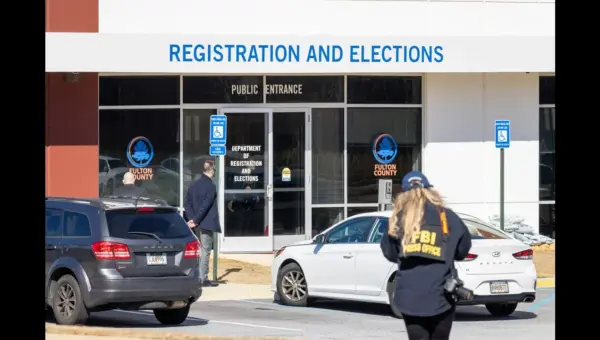
Fulton County Fights FBI Over Seized Election Records
Fulton County election officials are in court, demanding the FBI return 2020 election records seized earlier this year. They argue the seizure violates constitutional rights, while the Justice Department maintains it was lawful. The case raises critical questions about election integrity and government powers.

FBI Director’s Hacked Emails Expose Personal Life, Security Failures
FBI Director Cash Patel's personal email account was reportedly hacked by Iranian-linked hackers, exposing sensitive personal information and raising serious questions about his security practices and competence. The breach includes details about his private life, finances, and alleged visits to adult websites.


Iran Hackers Target FBI Director; US Weighs Troop Buildup Amid Tensions
Iran-linked hackers claim to have breached FBI Director Kash Patel's personal emails, publishing sensitive documents. This comes as the U.S. extends a deadline for Iran to reopen the Strait of Hormuz, while the Pentagon reportedly considers sending thousands more troops to the Middle East amid escalating tensions. Experts express concern over Iran's cyber capabilities and the strategic direction of U.S. policy.