Pentagon Vows ‘Laser Focus’ on Iran Strait of Hormuz Operations
The Pentagon is maintaining a "laser focus" on neutralizing Iran's threat capabilities and ensuring the free flow of commerce through the Strait of Hormuz. The ongoing operation aims to counter Iranian aggression, with significant implications for global oil prices and market stability. Analysts are closely watching the duration of the disruption and its economic impact.

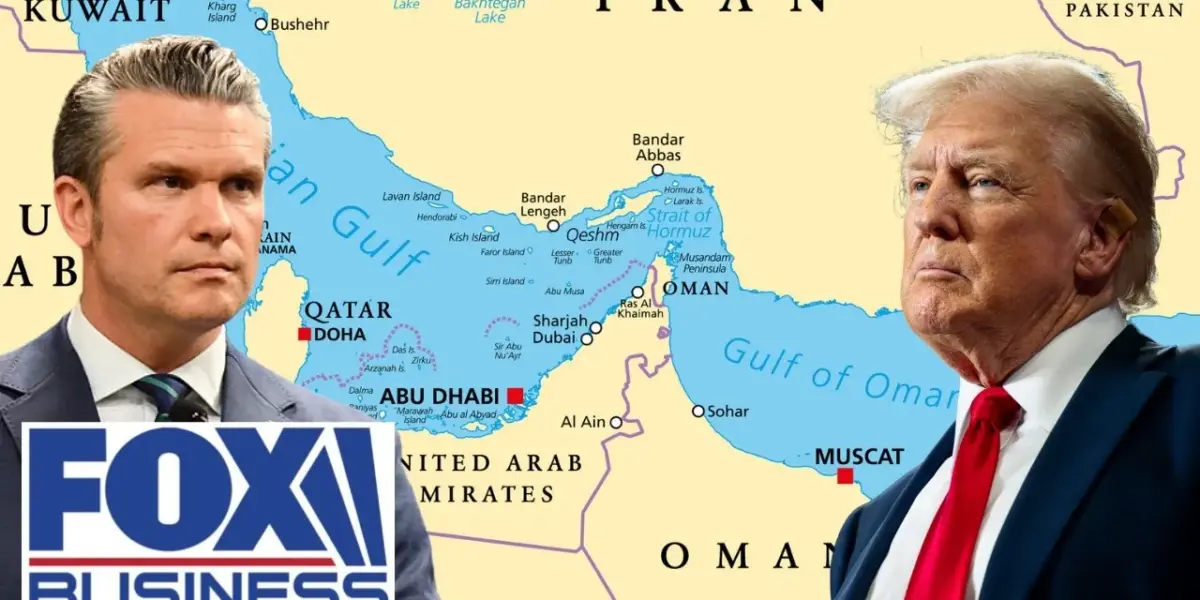
Pentagon Signals Relentless Push in Iran Conflict
WASHINGTON D.C. – The U.S. military is maintaining a determined stance in the ongoing conflict with Iran, with the Pentagon signaling a “laser focus” on neutralizing Tehran’s capabilities to launch missiles and drones, and to disrupt maritime traffic through the vital Strait of Hormuz. This strategic objective, part of an operation nearing its second week, aims to ensure the unimpeded flow of global commerce, particularly oil, through the critical waterway.
Operation Epictetus Theory and the Strait of Hormuz
The U.S. is actively engaged in Operation Epictetus Theory, a multi-faceted effort to counter Iran’s aggressive actions in the Persian Gulf and the Strait of Hormuz. While the exact timeline and specifics of the operation remain classified, the objective is clear: to degrade Iran’s capacity to threaten international shipping and project power through the region. The stakes are exceptionally high, as the Strait of Hormuz is a global chokepoint for approximately 20% of the world’s oil consumption.
“We have a plan for every option working with interagency partners and that is not a strait we will allow to remain contested with lack of flow of commercial goods so we are aware of that and laser focus on military objectives but also want to make sure our partners across this government understand we are working with you to make sure energy close.”
– Secretary of War Pete Hegseth (paraphrased from transcript)
President Trump has been vocal on social media, asserting that America is systematically dismantling Iran’s military, economy, and leadership. The White House is reportedly exploring options for the Navy to escort oil tankers through the Strait, though the Pentagon acknowledges the tactical complexities involved. The administration’s commitment to reopening the Strait underscores the economic implications of the conflict, with oil prices remaining a key indicator of market sentiment.
Market Reactions and Economic Implications
The conflict has inevitably impacted global energy markets. While West Texas Intermediate (WTI) crude oil prices have not surged to the $100 per barrel mark, analysts suggest this is partly due to market expectations that the Strait of Hormuz will be reopened relatively soon. Futures contracts indicate a belief that the disruption will be temporary, likely within the next few months.
However, any prolonged disruption or uncertainty about the reopening of the Strait could significantly alter market dynamics. “The problem is that the administration is probably a little less in control of what happens next because I think what is lifting oil prices more the past couple of days is Iran continuing to fire missiles until they are not able to fire missiles,” one analyst noted. The ability of Iran to continue launching attacks, even sporadically, puts upward pressure on oil prices.
The economic sentiment among consumers has also been affected. Data from the University of Michigan indicated a dip in consumer sentiment following recent military actions, with gasoline prices being a primary driver of this shift. The rising cost of fuel has a ripple effect across the economy, impacting everything from transportation to the cost of goods like fertilizer, essential for agriculture.
Challenges and Conflicting Reports
Despite the Pentagon’s assurances of a clear plan, there have been instances of conflicting reports, particularly concerning the presence of mines in the Strait. While the UK Defense Secretary suggested Iran might be engaged in mining operations, U.S. officials have stated they have no definitive evidence of such activity. This ambiguity can sow confusion in the markets and among shipping companies, potentially leading to precautionary measures that further disrupt trade.
The timeline for resolving the situation is also a point of discussion. While military objectives might be met relatively quickly, the complete restoration of normal maritime traffic and the subsequent impact on oil prices could take longer. The release of oil from the Strategic Petroleum Reserve and the continued, albeit reduced, flow of oil through alternative channels are mitigating factors, but the duration of elevated prices remains a key concern.
Strategic Petroleum Reserve and Future Outlook
The U.S. has utilized its Strategic Petroleum Reserve (SPR) to help stabilize oil markets. However, the depletion of the SPR, coupled with the mandated sales for budgetary reasons over the past decade, presents a challenge for refilling the reserves to full capacity. The cost to replenish the SPR is now projected to be higher than the revenue generated from past sales, highlighting a complex fiscal and strategic dilemma.
The situation in the Strait of Hormuz remains a fluid and critical geopolitical flashpoint. The Pentagon’s stated “laser focus” suggests a continued commitment to achieving its objectives, but the interplay of military actions, market reactions, and economic consequences will dictate the ultimate outcome. As the situation evolves, close monitoring of oil prices, consumer sentiment, and diplomatic developments will be crucial in understanding the broader implications for regional stability and the global economy.
What’s Next
The coming weeks will be critical in assessing the effectiveness of U.S. military actions and diplomatic efforts in the Strait of Hormuz. Key indicators to watch include the sustained flow of oil through the strait, any further escalations by Iran, and the resulting impact on global energy prices and consumer confidence. The ability of the U.S. to definitively neutralize Iran’s threats while minimizing economic disruption will be central to its success.
Source: 'WE'RE LASER-FOCUSED': Pentagon signals relentless push in Iran conflict (YouTube)

Related Articles

Stocks Ignore War Risks, Focus on “Taco Moments”
Stock markets appear to be overlooking the severe supply chain risks stemming from the Iran conflict, focusing instead on potential diplomatic de-escalations. While the S&P 500 shows resilience, bond and commodity markets signal deep concern over disruptions to critical resources like LNG, helium, and fertilizers.

U.S. Iran Tensions Rise Amid Shifting Alliances
Rising tensions between the U.S. and Iran are creating a volatile geopolitical situation. With conflicting signals on de-escalation and potential shifts in alliances like NATO and U.S.-Israel relations, the path forward remains uncertain. The global economy and regional stability hang in the balance.


Iran Targets US With Cyberattacks, Escalating Digital Warfare
Iran is increasingly using cyberattacks to challenge the U.S., as seen in a recent hack of the FBI director's account. Experts say this is a strategic shift due to Iran's limitations in conventional warfare. The U.S. needs to strengthen its digital defenses, focusing on encryption and cloud computing, rather than solely relying on traditional security measures.