Strait of Hormuz Blockade Threatens Global Economy
The Strait of Hormuz, a critical global shipping lane, is facing renewed tensions as Iran has blocked ships from passing through. This vital waterway handles a significant portion of the world's oil and gas, making its disruption a serious threat to global economic stability and consumer wallets.


Global Trade at Risk as Iran Threatens Key Shipping Lane
The Strait of Hormuz, a vital and narrow waterway connecting the Persian Gulf to the open ocean, has become a focal point of international tension as Iran has recently engaged in actions that threaten to disrupt global shipping. This strategic chokepoint, through which a significant portion of the world’s oil and gas passes, holds immense importance for the global economy. Recent events, including Iran’s blocking of ships from transiting the strait, have raised concerns about potential supply chain disruptions and their direct impact on consumers worldwide.
What is the Strait of Hormuz?
The Strait of Hormuz is a strategically crucial maritime passage situated between the southern coast of Iran and the northern coast of Oman. It is approximately 96 miles (154 kilometers) long and varies in width, with its narrowest point being just 21 miles (34 kilometers) across. Despite its relatively small size, this waterway serves as the sole sea passage from the Persian Gulf to the open ocean, making it indispensable for international trade, particularly for oil and gas exports from Middle Eastern producers.
Why it Matters to the Global Economy
The significance of the Strait of Hormuz cannot be overstated. It is one of the world’s most critical energy transit points. According to various reports, roughly 20-30% of the world’s oil and a substantial amount of liquefied natural gas (LNG) pass through this strait daily. Major oil-producing nations in the Persian Gulf, including Saudi Arabia, Iran, the UAE, Kuwait, and Iraq, rely on this waterway to transport their crude oil and refined products to markets across the globe. Any disruption to shipping in the Strait of Hormuz can lead to immediate and severe consequences for global energy supplies, resulting in volatile oil prices, increased shipping costs, and potential shortages in various regions.
The economic implications extend far beyond the energy sector. The disruption of oil and gas shipments can trigger a ripple effect throughout the global economy, impacting manufacturing, transportation, and consumer goods. Increased energy costs translate to higher prices for a wide range of products and services, ultimately affecting household budgets and economic growth.
Recent Tensions and Disruptions
Recent news has highlighted Iran’s assertive actions within the Strait of Hormuz, including the blocking of ships. These actions are often viewed as a response to geopolitical pressures or as a tactic to exert influence. While the transcript provided does not detail the specific incidents or Iran’s stated reasons for these blockades, such events invariably create uncertainty and fear in international shipping markets. Maritime security experts and international bodies closely monitor activities in the Strait due to its high traffic volume and strategic importance.
Impact on Your Wallet
The implications of any disruption in the Strait of Hormuz directly affect the average consumer. When oil and gas supplies are threatened or disrupted, global energy prices tend to rise. This increase in the cost of fuel has a cascading effect on the economy. Consumers will likely see higher prices at the gas pump, increased costs for heating and electricity, and more expensive goods and services due to elevated transportation and production costs. Essentially, the stability of this narrow waterway has a tangible impact on the financial well-being of individuals and families worldwide.
Broader Geopolitical Context
The Strait of Hormuz has long been a focal point of geopolitical maneuvering and potential conflict. Its strategic location makes it a sensitive area, and tensions between Iran and other regional and international powers have often played out in its waters. The potential for conflict or disruption in this region poses a significant risk to global stability and economic prosperity. International diplomacy and naval presence in the area are crucial for maintaining freedom of navigation and ensuring the uninterrupted flow of trade.
What’s Next?
The situation surrounding the Strait of Hormuz remains dynamic. The international community will be closely watching diplomatic efforts to de-escalate tensions and ensure the unimpeded passage of vessels. Monitoring global oil prices, shipping news, and statements from regional powers and international organizations will be key to understanding the evolving implications for global trade and the economy. The resilience of global supply chains and the ability of nations to find alternative energy sources will also be crucial factors in mitigating the impact of any future disruptions.
Source: What is the Strait of Hormuz and why it matters to YOU (YouTube)

Related Articles

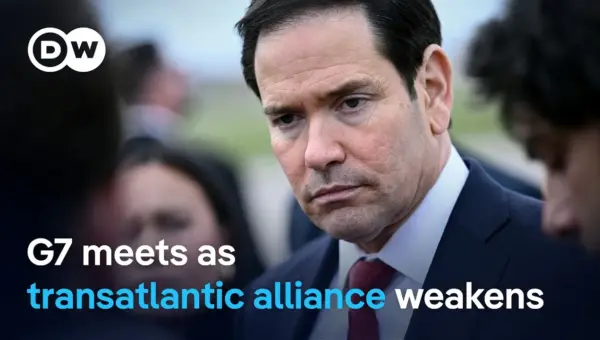
G7 Allies Clash Over Iran War Strategy, Urge Focus on Russia
G7 foreign ministers met in Paris, revealing deep divisions over the U.S. war with Iran. European allies urged the U.S. to pressure Russia, linking its actions to the conflict and fearing support for Ukraine will wane.
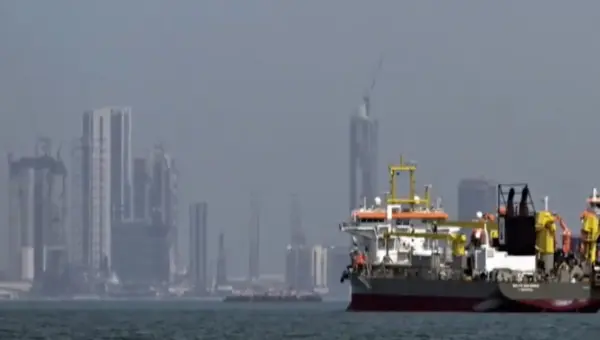
Iran Blocks China Ships, Exposing Beijing’s Weak Grip
Iran's recent decision to block Chinese ships at the Strait of Hormuz is exposing the limits of Beijing's influence in the Middle East. This action is causing delays and cancellations for Chinese manufacturers, turning a perceived geopolitical win into an economic strain.

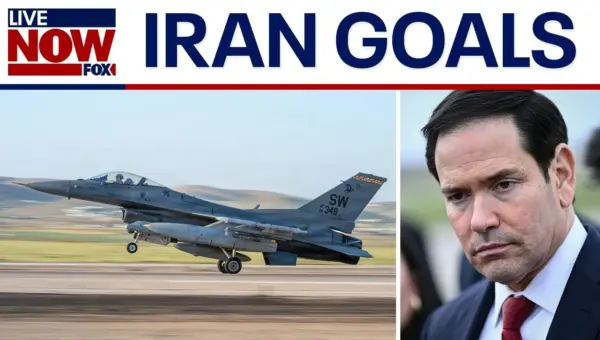
Rubio: US Can Achieve Iran War Goals Without Troops
Senator Marco Rubio outlined a strategy to counter Iran without deploying U.S. ground troops, focusing on weakening the regime and enhancing maritime security. He also criticized Cuba's economic system and expressed concerns about West Bank violence.