Judge Quashes Trump DOJ Subpoenas in Extraordinary Ruling
A federal judge has quashed subpoenas issued by the Trump-appointed U.S. Attorney's Office against Federal Reserve Chair Jerome Powell. The ruling found the subpoenas were issued for an "improper purpose" to pressure Powell, citing a lack of evidence of criminal wrongdoing.

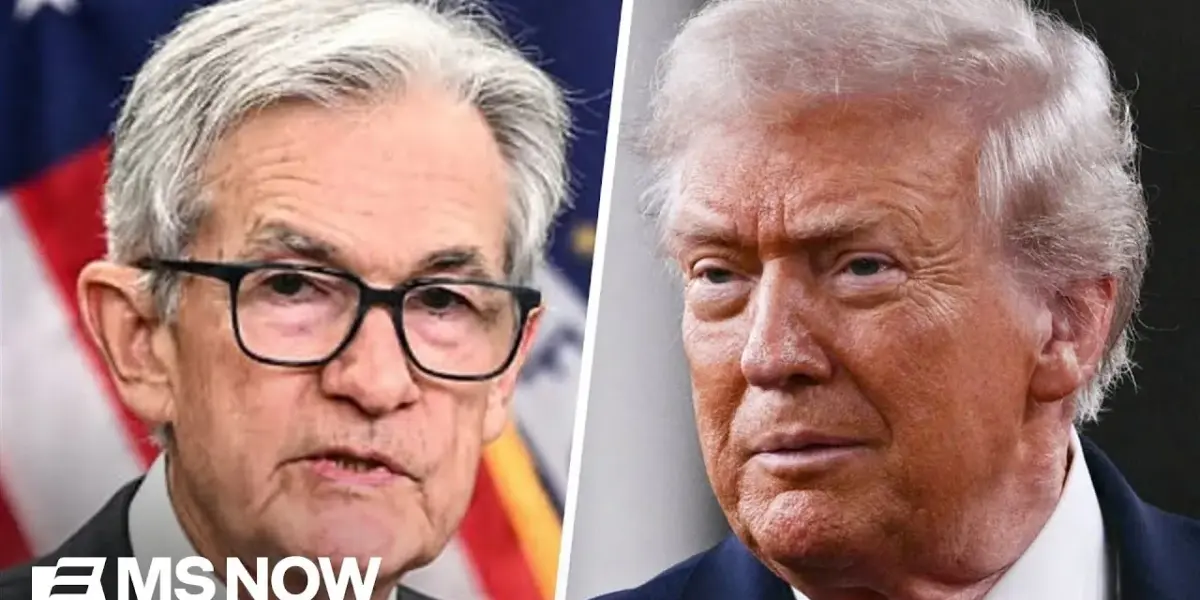
Federal Judge Blocks Trump DOJ’s Subpoenas for Federal Reserve Chair Jerome Powell
In a significant legal development, a federal judge has halted the U.S. Attorney’s Office’s efforts to subpoena Federal Reserve Chair Jerome Powell. U.S. Attorney Janine Pirro, appointed by Donald Trump, sought to compel testimony and documents from the Federal Reserve, specifically concerning the renovation of its building. However, U.S. District Judge James Boesberg on Tuesday quashed the subpoenas, issuing a ruling that sharply criticized the investigative body’s motives and evidentiary basis.
“Improper Purpose”: Judge Boesberg’s Scathing Rebuke
Judge Boesberg’s decision, meticulously detailed in his written opinion, leaves no room for ambiguity regarding his findings. He stated that a “mountain of evidence suggests that the government served these subpoenas to pressure Powell into voting for lower interest rates or resigning.” This assertion points to a deliberate attempt to leverage the grand jury process for political ends rather than legitimate criminal investigation.
Further compounding the prosecution’s difficulties, Judge Boesberg noted that Pirro’s office “has produced essentially zero evidence to suspect Chair Powell of a crime.” The judge characterized the justifications provided for the subpoenas as “so thin and unsubstantiated that the court can only conclude that they are pretextual.” He explicitly found that “the subpoenas were issued for an improper purpose and will quash them.”
Pattern of “Enemies List” Investigations
The ruling against the Trump-appointed U.S. Attorney’s Office is being viewed as the latest in a series of rebukes for the Department of Justice under Donald Trump’s influence, particularly when pursuing investigations against individuals on what is perceived as Trump’s “enemies list.” Judge Boesberg himself acknowledged this pattern in his ruling, writing, “Being perceived as the president’s adversary has become risky in recent years.”
The judge’s opinion referenced instances where Donald Trump publicly urged the Department of Justice to prosecute political opponents such as James Comey, Adam Schiff, and Letitia James. “Consistent with this pattern, DOJ now set its sights on Powell,” Boesberg observed, drawing a clear line between Trump’s public pronouncements and the subsequent investigative actions.
“A mountain of evidence suggests that the government served these subpoenas to pressure Powell into voting for lower interest rates or resigning.”
– Judge James Boesberg
“Extraordinary” Ruling Underscores Judicial Scrutiny
Legal analysts have described Judge Boesberg’s decision as “extraordinary,” highlighting the rarity of grand jury subpoenas being quashed on grounds of improper purpose, especially at such an early stage of an investigation. Andrew Weissman, a former top DOJ official and legal analyst, emphasized the high bar typically required to quash a subpoena, noting, “If you’ve got any legitimate ground to go forward and you’re conducting yourself in any responsible way, you should be able to have a grand jury subpoena enforced.”
Weissman further drew a parallel between Trump’s public statements about Jerome Powell and historical instances of political pressure, likening it to King Henry II’s alleged plea regarding Thomas Becket. “President Trump was saying with respect to Jerome Powell, and quoting him over and over and over again, trying to get rid of him,” Weissman explained, underscoring the judge’s finding of pretext.
The ruling relies on clear Supreme Court precedent, specifically the *Enterprise* case, which prohibits the use of grand jury subpoenas for harassment or improper purposes. This decision marks a significant moment, as it intervenes at the nascent stage of an investigation, preventing the subpoena from being enforced due to its perceived illegitimate foundation.
Pirro Vows Appeal Amidst Accusations of Bias
Following the ruling, Janine Pirro held a press conference where she attempted to mitigate the impact of the decision. She accused Judge Boesberg of demonstrating bias against Donald Trump and declared her intention to appeal the ruling. Pirro, a former Fox News host, is known for her strong communication skills and has previously articulated the relatively low standard for issuing grand jury subpoenas, which can be based on rumors or news reports.
However, legal experts noted that Pirro’s defense did not adequately address the core of Judge Boesberg’s finding: that the subpoenas were issued for an improper purpose, regardless of the standard for initiating an investigation. The judge’s lengthy opinion commenced with a quote from Donald Trump on Truth Social, labeling Jerome Powell as “stupid and political and a loser,” signaling the context that the court considered.
Judge Boesberg: A Respected Jurist Under Fire
Judge Boesberg’s background was highlighted to counter accusations of judicial activism. Educated at the elite St. Albans School and Yale University, where he was a member of Skull and Bones, he was initially appointed to the bench by President George W. Bush and later elevated by President Barack Obama. Described as a well-regarded, “down-the-middle jurist,” Boesberg has a history of rulings against the Trump administration, including a notable case where he blocked the administration’s attempt to use the Alien Enemies Act to deport individuals without due process.
This prior confrontation with the Trump administration over deportations to El Salvador, and his subsequent inquiry into why deportation orders were not followed, reportedly drew the ire of the administration. Legal reporting indicated that these actions coincided with a broader effort by Trump allies to discredit judges ruling against the administration, sometimes calling for their impeachment.
Broader Implications: Judiciary vs. Executive Pressure
The case underscores a simmering conflict between the judiciary and the executive branch, particularly concerning the alleged weaponization of the justice system for political purposes. Andrew Weissman noted that such tactics are not isolated, citing calls for a “war on the judges” and instances where judges and their families have faced threats. The consistent pattern of judges, including those appointed by Trump himself, ruling against the administration on matters of constitutional rights and due process suggests a fundamental clash over the rule of law.
The ruling against the subpoenas for Jerome Powell is seen as an example of Judge Boesberg adhering to his oath of office. While the prosecution may pursue an appeal, legal observers believe the factual basis for their case is exceptionally weak, making a successful appeal unlikely. The core issue—whether grand jury subpoenas can be used as a tool for political pressure or harassment—remains a critical aspect of judicial oversight.
What’s Next for the Trump DOJ and Federal Reserve Investigation?
Janine Pirro’s office has stated its intention to appeal Judge Boesberg’s decision. The outcome of this appeal will be closely watched, as it could further clarify the boundaries of prosecutorial power and the judiciary’s role in safeguarding against the misuse of investigative tools. The broader implications for the Department of Justice’s investigative practices and its relationship with the judiciary, especially in politically charged cases, will also continue to unfold.
Source: "This decision is EXTRAORDINARY": Judge QUASHES Trump DOJ subpoenas of Jerome Powell (YouTube)

Related Articles
DOJ Official’s Remarks Spark Outrage Over Political Allegations
A top Trump DOJ official's speech at CPAC has sparked controversy, with claims of incriminating admissions regarding fears of prosecution and alleged political motivations. The remarks have raised serious questions about impartiality within the Department of Justice.


Iran Conflict Sparks Market Volatility, Experts Weigh In
Geopolitical tensions in the Middle East have rattled global markets, with stocks falling and safe-haven assets like the U.S. dollar strengthening. Experts suggest the market may have overreacted, creating potential buying opportunities, but warn of a "bumpy journey" ahead due to infrastructure damage and potential oil shortages. Concerns also linger about the Federal Reserve's independence amidst political commentary.
DOJ Pays Millions to Ally: Is This Legal?
A $1.2 million payout from the DOJ to Mike Flynn, a former Trump ally, has sparked outrage and questions about legality and oversight. Critics fear a pattern of "grift and corruption," while calls for accountability echo historical precedents.