Judge Quashes Subpoenas Against Fed Chair Powell
A U.S. District Court judge has quashed subpoenas against Federal Reserve Chair Jerome Powell, ruling that a grand jury investigation into the Fed building renovation was based on an "improper purpose" and lacked credible evidence. The decision reinforces the independence of the central bank from political pressure.

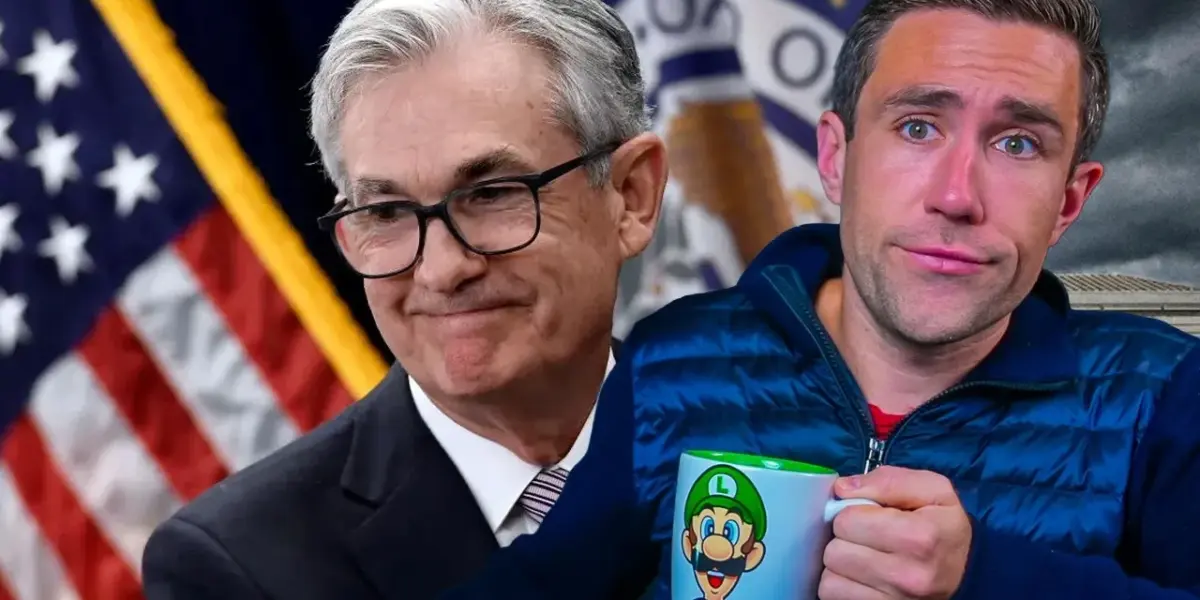
Federal Reserve Building Renovation Probe Halted as Court Sides with Powell
A U.S. District Court judge has effectively shut down a grand jury investigation into Federal Reserve Chair Jerome Powell, quashing subpoenas issued by the Department of Justice. The probe, initiated by Attorney General Matthew Graves, focused on allegations of fraud related to the extensive renovation of the Federal Reserve building in Washington D.C., which reportedly went significantly over budget.
Allegations of Misconduct and Political Motivation
The investigation, spearheaded by a prosecutor appointed by former President Donald Trump, aimed to uncover potential fraud in the Federal Reserve’s $965 million building renovation project, which allegedly exceeded its initial budget by approximately $1 billion. The prosecution argued that grand jury proceedings could be initiated based on mere tips and rumors, and that such investigations were necessary to ensure Powell was not violating the law.
However, the presiding judge found the subpoenas to be issued for an “improper purpose,” asserting that the dominant motive appeared to be harassment of Federal Reserve Chair Jerome Powell. The court’s memorandum of opinion heavily cited public statements made by former President Trump and his allies, which frequently criticized Powell and the Federal Reserve, often linking policy decisions to political outcomes and demanding lower interest rates. The judge noted that the Department of Justice offered no credible evidence to support its claims of fraud or misconduct, despite being given an opportunity to present its case in an ex parte hearing (a hearing with only one party present).
The court is thus left with no credible reason to think that the government is investigating suspicious facts as opposed to targeting a disfavored official.
The Court’s Reasoning and Legal Precedent
The judge established that courts possess the authority to quash subpoenas if their “sole or dominant purpose” is deemed improper. This standard allows for the dismissal of information requests if the primary objective is to harass an individual or achieve a collateral aim, such as pressuring a public official to alter their policy decisions.
In this instance, the court concluded that the government’s justifications for the subpoenas were “thin and unsubstantiated,” suggesting they were pretextual. The judge highlighted that the Federal Reserve had already undergone audits and provided monthly reports to Congress and other investigators regarding the renovation costs. An inspector general’s review of the project had reportedly raised “no concerns about fraud.” The court acknowledged that construction projects, including renovations, can sometimes go over budget, implying that cost overruns alone do not automatically indicate fraudulent activity.
Impact on Federal Reserve Independence and Political Landscape
The ruling underscores the principle of the Federal Reserve’s independence from political interference. The court referenced the foresight of Congress in shielding the Federal Reserve from political pressures to ensure that monetary policy decisions are made based on economic conditions rather than short-term political gains. The attempt to subpoena the Fed Chair in relation to a building renovation, especially when framed by political criticism, was seen as a potential overreach that could undermine this independence.
The case has also drawn attention from Capitol Hill. Senator Tom Tillis, among others, has expressed concern that prolonged “nonsense” investigations could impact the confirmation process for Federal Reserve officials. Specifically, the reappointment of Kevin Walsh, whose term was set to begin in May, was mentioned as potentially being jeopardized if such disruptions continued.
Market Impact and Investor Considerations
While this specific case centered on a legal challenge to subpoenas, the underlying allegations and the court’s decision have broader implications for market sentiment and investor confidence. The Federal Reserve’s credibility and its ability to operate independently are crucial for financial market stability. Any perception of undue political influence or internal turmoil at the central bank can lead to increased volatility and uncertainty.
For investors, the quashing of these subpoenas removes a potential distraction for Federal Reserve Chair Jerome Powell and the board. It allows the Fed to focus on its core mandates of managing inflation and employment without the cloud of a potentially politically motivated investigation. While the renovation project’s cost overruns were significant, the court’s finding that the investigation lacked a proper basis suggests that the market can likely look past this specific legal entanglement. However, ongoing political rhetoric targeting the Federal Reserve or its leadership could continue to be a background factor influencing market sentiment, particularly as the Fed navigates complex economic conditions and potential interest rate adjustments.
What Investors Should Know:
- Federal Reserve Independence: The court’s ruling reinforces the importance of the Fed’s independence from political pressure, a cornerstone of stable monetary policy.
- Reduced Uncertainty: The dismissal of the subpoenas removes a specific source of uncertainty surrounding the Federal Reserve’s leadership and operations.
- Focus on Economic Mandates: With this legal distraction resolved, the Fed can concentrate on its dual mandate of price stability and maximum employment.
- Ongoing Political Scrutiny: Investors should remain aware that political commentary and scrutiny of the Federal Reserve may persist, potentially influencing market sentiment.
Source: Powell JUST Beat Trump! *Major Case* (YouTube)

Related Articles


Iran Conflict Sparks Market Volatility, Experts Weigh In
Geopolitical tensions in the Middle East have rattled global markets, with stocks falling and safe-haven assets like the U.S. dollar strengthening. Experts suggest the market may have overreacted, creating potential buying opportunities, but warn of a "bumpy journey" ahead due to infrastructure damage and potential oil shortages. Concerns also linger about the Federal Reserve's independence amidst political commentary.


US Holds 8,000 Tons of Gold: A History Lesson
Discover how the U.S. amassed over 8,000 tons of gold, a journey that began with President Roosevelt's 1933 order and the Bretton Woods Agreement. Learn how this historical gold hoard shaped the dollar's global dominance and its eventual decline.


Iran Talks Gain 10 Days, But Markets Remain Skeptical
Iran has secured a 10-day extension for negotiations, but financial markets remain unconvinced, showing little reaction to the news. Rising energy and borrowing costs, coupled with geopolitical tensions, continue to pressure global markets and consumer spending.