US War Drums Beat: Ground Invasion Looms as Iran Tensions Escalate
Escalating tensions and troop movements signal a dangerous path towards a potential U.S. ground invasion of Iran. Historical parallels, international divisions, and charged rhetoric underscore the gravity of the escalating conflict.

US War Drums Beat: Ground Invasion Looms as Iran Tensions Escalate
The Middle East is once again a tinderbox, and escalating tensions between the United States and Iran are raising serious concerns about a potential ground invasion. Recent troop movements and heightened rhetoric suggest a dangerous path forward, drawing parallels to historical conflicts and igniting debate about geopolitical strategy and leadership.
Marine Deployment Signals Escalation
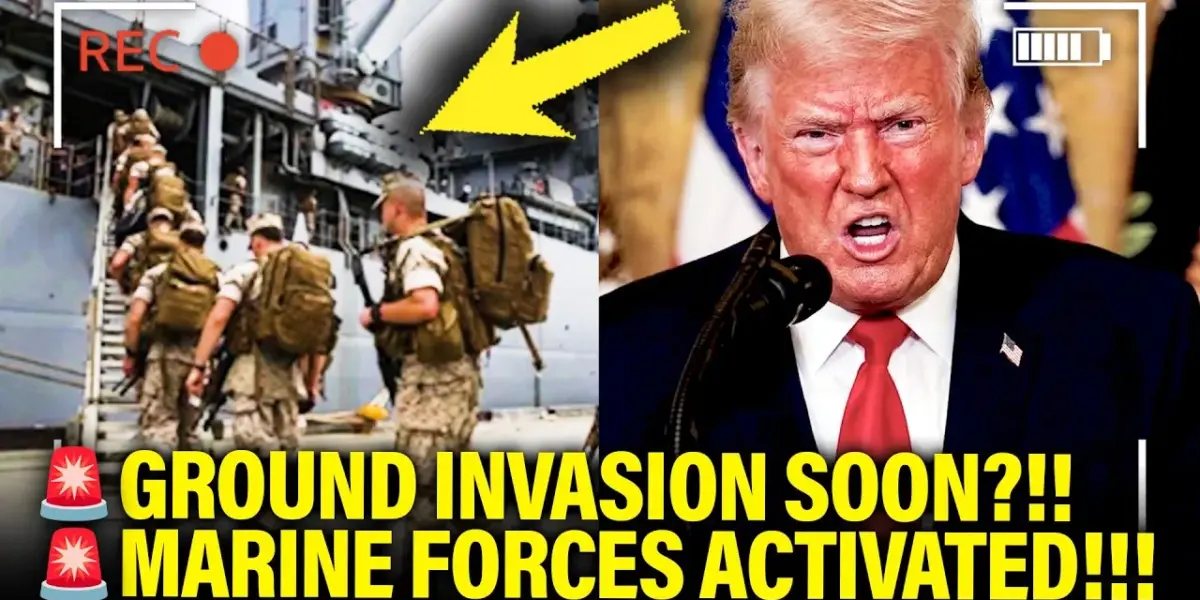
Multiple reports indicate that the Pentagon is moving a Marine Expeditionary Unit, comprising up to 2,500 Marines, to the Middle East. This deployment, approved by Defense Secretary Pete Hagerty, is seen by some as a significant step towards a potential ground invasion. The move is particularly notable given its historical resonance; the escalation of the Vietnam War in 1965 also began with the landing of U.S. Marines, a stark reminder of how such deployments can rapidly spiral into direct combat involvement.
International Alliances and Divergent Views
The geopolitical landscape surrounding Iran is complex, with significant involvement from other global powers. Russia and China are reportedly aiding Iran, a situation that has drawn sharp criticism and confusion from allies. French President Emmanuel Macron, for instance, questioned the rationale behind any potential easing of sanctions on Russian oil while Russia is reportedly cooperating with Iran. Macron emphasized that the G7 and France’s position remains firm: sanctions on Russia should not be lifted, especially in light of the ongoing conflict in Ukraine and perceived Iranian aggression.
This international divergence highlights a broader debate about diplomatic strategies. While some advocate for a firm stance and kinetic options, others, like former President Donald Trump, have expressed a more ambiguous approach. Trump’s recent interview responses, where he seemed to dismiss concerns about Russian and Chinese support for Iran by stating, “So what? We’re doing it too,” have been characterized as lacking presidential gravitas and a commitment to U.S. interests. Critics argue this stance undermines American leadership and emboldens adversaries.
Rhetoric and Provocation
The rhetoric surrounding the conflict has also intensified. Remarks by former President Trump describing Iranian leaders as “bad people” with “something wrong genetically with them” and calling their actions “evil” have been widely condemned as dehumanizing and inflammatory. He has also referred to military actions as mere “excursions” to remove “mad mad people” and “crazy people.” Such language, analysts suggest, can serve to justify aggressive actions and diminish the gravity of potential military engagement.
Furthermore, Trump’s perceived inaction regarding Iranian and Chinese ships transiting the Strait of Hormuz, while U.S. allies and ships face blockades, has been interpreted as a sign of fear towards Chinese President Xi Jinping. This is contrasted with his boasts about U.S. military technological superiority, such as Tomahawks and Patriots, and his threats to destroy Iranian infrastructure, including nuclear power plants, within an hour, which he frames as an act of restraint.
Domestic Political Undercurrents
Domestically, the push for more assertive action against Iran appears to be gaining traction within certain political factions. MAGA Republicans, like Congressman Keith Self, have openly called for a ground invasion, arguing that air power alone is insufficient to defeat a nation and that “boots on the ground” are necessary for operations and potentially regime change. This echoes a broader sentiment among some in the Republican party advocating for a more interventionist foreign policy.
Meanwhile, economic concerns related to the conflict are also surfacing. The rising cost of fertilizer, a key component of which is sourced from the Middle East, is creating significant challenges for American farmers. The Biden administration is reportedly exploring solutions, with Agriculture Secretary Brooke Rollins acknowledging the issue and promising upcoming announcements to support farmers as they head into the planting season.
Historical Parallels and Future Outlook
The situation bears a striking resemblance to the lead-up to the Vietnam War, particularly in the initial deployment of Marines and the subsequent escalation. The current administration’s stance, as articulated by Defense Secretary Hagerty, emphasizes that the Strait of Hormuz remains open, with the caveat that Iran’s actions are the sole impediment. The U.S. military, he states, has plans for all contingencies and is committed to ensuring the free flow of commercial goods and energy, framing the challenge as one of interdicting shipping, a tactic Iran has employed for decades.
The ongoing conflict is also having ripple effects across the region, leading to the cancellation of events like the Formula 1 Grand Prix in Bahrain and Saudi Arabia. The broader implications for global stability, energy markets, and diplomatic relations remain significant. The path forward is fraught with peril, demanding careful consideration of diplomatic, economic, and military strategies to avoid a costly and potentially devastating conflict.
Why This Matters
The potential for a U.S. ground invasion of Iran carries immense implications. It risks not only a significant loss of life and financial expenditure but also further destabilization of the Middle East, potentially drawing in other regional and global powers. The historical parallels to Vietnam serve as a cautionary tale about the unintended consequences of military escalation. The divergent international viewpoints and the charged domestic rhetoric underscore a critical juncture in foreign policy, where decisions made now will shape regional dynamics and global security for years to come. The economic fallout, from energy prices to agricultural inputs, further emphasizes the interconnectedness of geopolitical events and the daily lives of citizens worldwide.
Source: Trump CRACKS as US GROUND INVASION IMMINENT?!! (YouTube)

Related Articles
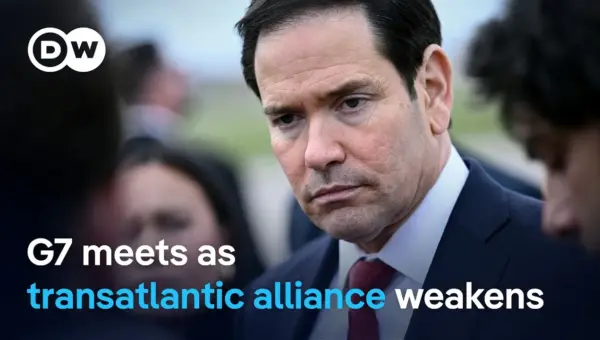
G7 Allies Clash Over Iran War Strategy, Urge Focus on Russia
G7 foreign ministers met in Paris, revealing deep divisions over the U.S. war with Iran. European allies urged the U.S. to pressure Russia, linking its actions to the conflict and fearing support for Ukraine will wane.

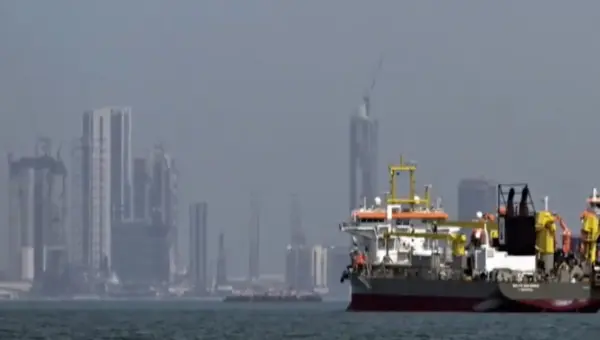
Iran Blocks China Ships, Exposing Beijing’s Weak Grip
Iran's recent decision to block Chinese ships at the Strait of Hormuz is exposing the limits of Beijing's influence in the Middle East. This action is causing delays and cancellations for Chinese manufacturers, turning a perceived geopolitical win into an economic strain.
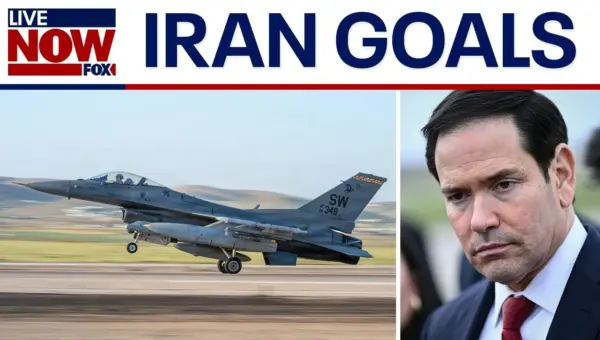
Rubio: US Can Achieve Iran War Goals Without Troops
Senator Marco Rubio outlined a strategy to counter Iran without deploying U.S. ground troops, focusing on weakening the regime and enhancing maritime security. He also criticized Cuba's economic system and expressed concerns about West Bank violence.