Judge Blocks Subpoenas, Halting Fed Probe into Powell
A federal judge has blocked grand jury subpoenas in an investigation into Federal Reserve Chair Jerome Powell and a $1 billion cost overrun on renovations. Prosecutors are calling the decision an "outrageous" move that shields officials from accountability and vow to appeal.

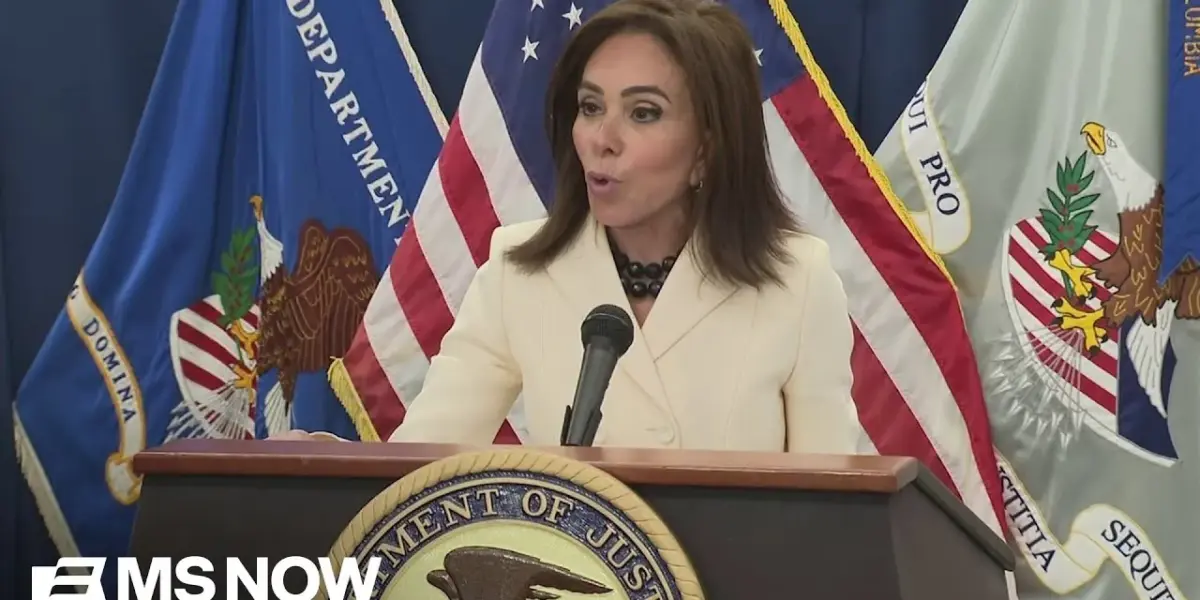
Judge Blocks Subpoenas, Halting Federal Reserve Probe into Powell
WASHINGTON D.C. – In a significant legal development, a federal judge has quashed grand jury subpoenas issued by the U.S. Attorney’s Office, effectively halting an investigation into Federal Reserve Chair Jerome Powell and the agency’s costly headquarters renovation project. The decision by U.S. District Judge James Boesberg has drawn sharp criticism from prosecutors, who argue it neuters the grand jury’s investigative powers and shields public officials from accountability.
Investigation into $1 Billion Cost Overruns
The inquiry, initiated by the U.S. Attorney’s Office in November, focused on a reported cost overrun exceeding $1 billion for renovations to the Federal Reserve’s headquarters. Prosecutors allege that in June, Jerome Powell made “questionable statements” before the Senate Banking Committee regarding these overruns, statements that allegedly conflicted with publicly available documents. This discrepancy, coupled with the substantial financial escalation, prompted the investigation.
According to prosecutors, attempts to engage with the Federal Reserve and its leadership for a discussion regarding these concerns were met with silence. Emails sent in December seeking a meeting or conversation were reportedly ignored. Following this lack of response, two grand jury subpoenas were issued on December 19th, not directly to Jerome Powell, but to the Federal Reserve itself, seeking relevant documentation.
“The American public is fed up with public monies that seem to go into a black hole, especially in D.C., where no one is held accountable.”
Judge’s Ruling Sparks Outrage
Judge James Boesberg’s decision to quash the subpoenas has been characterized by prosecutors as an unprecedented intervention that removes a fundamental investigative tool. The judge’s written decision, which prosecutors claim reveals an “antipathy toward President Trump and this administration,” reportedly prohibits the review of records and their submission to the grand jury. Prosecutors argue this ruling creates a dangerous precedent, allowing any individual to evade investigation by claiming victim status and finding a sympathetic judge.
“By inserting himself and preventing the Grand Jury from even obtaining, let alone hearing evidence, he has neutered the Grand Jury’s ability to investigate crime,” stated a prosecutor familiar with the case. “As a result, Jerome Powell today is now bathed in immunity, preventing my office from investigating the Federal Reserve. This is wrong, and it is without legal authority.”
Legal Standards Under Scrutiny
The core of the legal dispute lies in the standard required for issuing a grand jury subpoena. Prosecutors contend that Supreme Court precedent grants grand juries broad discretion to investigate based on mere suspicion of wrongdoing or to ensure the law is not being violated. They assert that a grand jury can act on tips, rumors, or public information, and that the standard is not probable cause, as suggested by Judge Boesberg.
“This judge is shockingly requiring the government to show something akin to probable cause, and those are his words, probable cause, in order to justify the issuance of a grand jury subpoena,” a prosecutor argued. “Folks, probable cause is not and never has been the standard that prosecutors in this country need in order to go into a grand jury. This is not and has never been the law of the land.”
The ruling, according to the prosecution, directly contradicts the Supreme Court’s admonition against imposing burdensome preliminary showings that impede investigations and frustrate the public interest in justice.
Department of Justice Vows Appeal
In response to the judge’s decision, the U.S. Department of Justice has announced its intention to appeal. Prosecutors emphasized their commitment to pursuing the investigation, asserting that the judge’s ruling will not be the final word.
“This outrageous decision will be appealed by the United States Department of Justice.”
When pressed on the timing and impetus for the inquiry, particularly regarding claims that it was prompted by President Trump, prosecutors pushed back, stating the judge’s assessment of dates was incorrect and that the investigation was a matter of public interest and within their jurisdiction. They highlighted their focus on upholding the law and serving the public, distancing themselves from political motivations.
Broader Implications for Accountability
The case raises critical questions about the balance between executive branch immunity and the public’s right to transparency and accountability, especially concerning the stewardship of public funds. The ability of prosecutors to subpoena information from powerful institutions and individuals is a cornerstone of the justice system. If this decision stands, critics fear it could embolden others to obstruct similar investigations, creating a chilling effect on oversight and potentially allowing significant financial improprieties to go unchecked.
The prosecutor likened the situation to past battles where pursuing justice for vulnerable populations was met with public outrage, emphasizing the principle of following information wherever it leads, regardless of the source or the perceived status of the subject. The fight to ensure grand juries can access information and perform their duties without judicial obstruction is framed as a fight for the integrity of American justice.
What’s Next?
The immediate next step will be the filing of an appeal by the Department of Justice. The outcome of this appeal will be closely watched, as it could set a significant precedent for the powers of grand juries and the scope of judicial oversight in criminal investigations involving high-ranking officials and powerful government institutions. The public will be looking to see if the legal system upholds the principle that no one is above the law, even when billions of public dollars are at stake.
Source: U.S. attorney Jeanine Pirro reacts to judge blocking DOJ's Powell subpoenas (YouTube)

Related Articles
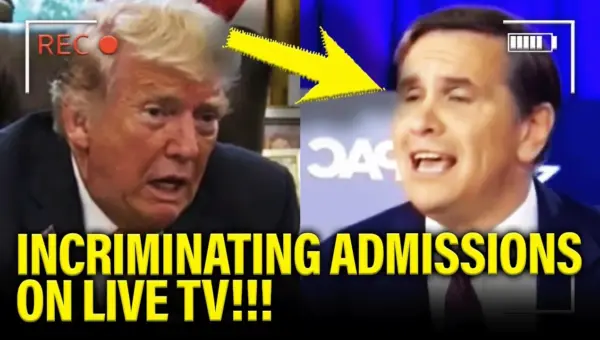
DOJ Official’s Remarks Spark Outrage Over Political Allegations
A top Trump DOJ official's speech at CPAC has sparked controversy, with claims of incriminating admissions regarding fears of prosecution and alleged political motivations. The remarks have raised serious questions about impartiality within the Department of Justice.


Iran Conflict Sparks Market Volatility, Experts Weigh In
Geopolitical tensions in the Middle East have rattled global markets, with stocks falling and safe-haven assets like the U.S. dollar strengthening. Experts suggest the market may have overreacted, creating potential buying opportunities, but warn of a "bumpy journey" ahead due to infrastructure damage and potential oil shortages. Concerns also linger about the Federal Reserve's independence amidst political commentary.
DOJ Pays Millions to Ally: Is This Legal?
A $1.2 million payout from the DOJ to Mike Flynn, a former Trump ally, has sparked outrage and questions about legality and oversight. Critics fear a pattern of "grift and corruption," while calls for accountability echo historical precedents.