US Races China to Moon Base: ‘Unapologetic’ Space Dominance Needed
The United States is in a critical race against China to establish a lunar base, with experts warning of a razor-thin margin for victory. Advocates call for an "unapologetic" approach to space dominance, leveraging public-private partnerships and entrepreneurial drive. The outcome could shape the future of space exploration and resource control.

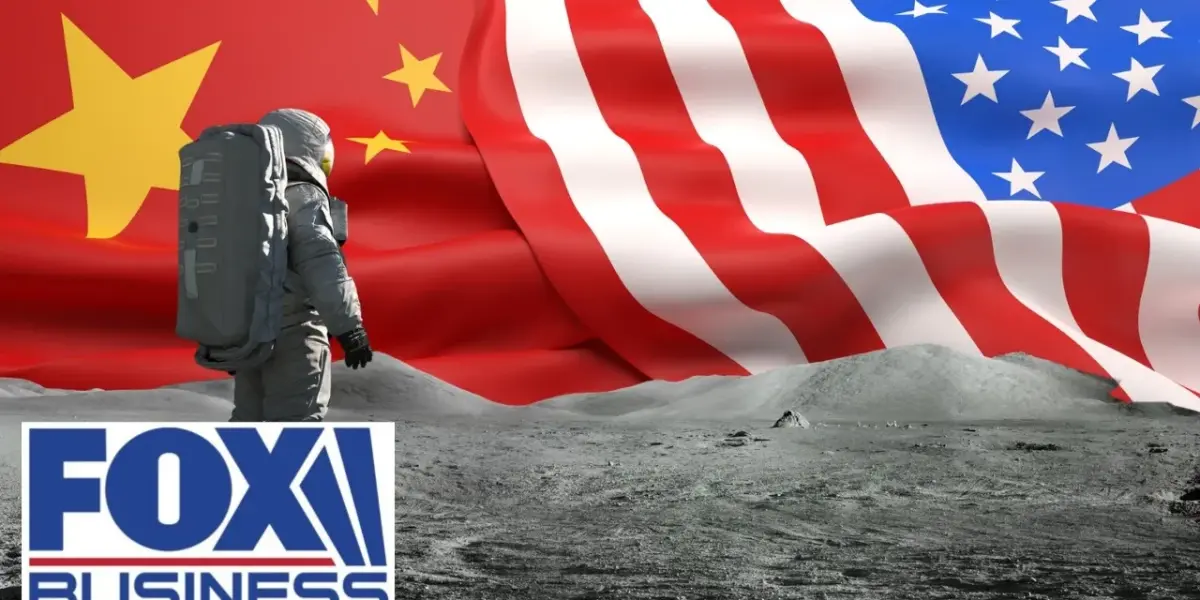
US in Critical Lunar Race Against China, Experts Warn
The United States is engaged in a high-stakes race against China to establish a permanent presence on the Moon, with experts warning that the margin for victory is razor-thin. The competition, particularly for strategic positioning on the lunar south pole, could determine the future of space exploration and resource utilization for decades to come. The urgency stems from China’s rapid advancements and significant investments in its space program, raising concerns that if the U.S. falters, China could secure a dominant first-mover advantage.
The Urgency of Lunar Dominance
Brian Brenberg, a vocal advocate for American leadership in space, stressed the critical nature of the current situation. “I 100% believe we are in a race right now against China, and the difference between success and failure is months,” Brenberg stated. He elaborated on the potential consequences of falling behind: “If we come up short, China will get there. They will get to the Moon before America had a chance to return, and they will start building a base exactly where we want to be on the south pole.” This underscores the strategic importance of lunar real estate and the need for swift, decisive action from the United States.
Public-Private Partnerships Drive Progress
The U.S. is leveraging a combination of government initiatives and private sector innovation to achieve its lunar ambitions. The Artemis program, for instance, involves collaborations with major aerospace companies such as SpaceX, Blue Origin, Lockheed Martin, and Boeing. This public-private model mirrors past successes, such as the creation of the U.S. Space Force during President Trump’s first term. Brenberg lauded this approach, noting, “Private companies have brought it back. When the big things President Trump did in his first term was create the Space Force, all these assets together like we did with the Air Force decades ago and prioritize the not real frontier.”
“We need a real presence there. You cannot let up. That is a point. We’ve had administrations look at this away President Trump does and others that do not prioritize it. This is one of the places where you see the private sector really shine. Innovation in this country. Also the partnership with the public sector to get things done.”
The Role of Entrepreneurship and Risk
The transcript highlighted the crucial role of entrepreneurial spirit in driving space exploration forward. Companies like SpaceX, founded by Elon Musk, have achieved remarkable success through a willingness to take significant risks. Brenberg recalled a documentary detailing Musk’s approach: “He threw everything on the line and said this is my last launch before I go bankrupt. And if it does not work, then I am out. The one thing that worked. That is how SpaceX has gotten to where it is today. You need entrepreneurs like that, you are willing to risk it all to do something big.” This emphasis on bold, risk-taking ventures is seen as essential for maintaining a competitive edge.
Strategic Implications Beyond the Moon
The competition for lunar dominance extends beyond scientific exploration; it has significant geopolitical and economic implications. Whoever establishes the strongest presence beyond Earth could have a substantial influence on shaping the rules and access to resources in the next frontier. Brenberg drew parallels to historical infrastructure projects like the Panama Canal, emphasizing the need for assertive leadership and presence. “I think we ought to go after space the same way we go up to the Panama Canal. The indispensable person needs to be there. We are going to be there. It will not just be a happy land playing along and sharing, it will be China, and they will have lasers pointed at us. I would very much like to avoid it,” he warned.
A Call for Unapologetic Ambition
Brenberg’s central message is a call for the United States to be “unapologetic” about its ambitions in space. He argued that hesitation or a lack of clear prioritization could cede critical advantages to competitors. The rapid development of China’s space program, coupled with its national record of investment in the commercial space sector, necessitates a robust and unwavering commitment from the U.S. The success of initiatives like the Artemis program and the continued innovation from private companies are vital, but they must be supported by a clear national strategy that prioritizes space as a domain of national interest and security.
What’s Next in the Lunar Race
The coming months and years will be critical in determining the outcome of this lunar race. Key milestones for the Artemis program and continued advancements from both U.S. and Chinese space agencies will be closely watched. The effectiveness of public-private partnerships and the ability of American entrepreneurs to continue pushing the boundaries of innovation will be paramount. Ultimately, the U.S. must maintain a consistent, prioritized focus on space exploration and development to secure its position as a leader in the final frontier.
Source: Brian Brenberg: We must be 'UNAPOLOGETIC' about space (YouTube)

Related Articles


China Sends Old Jets Reborn as Drones Toward Taiwan
China has converted old J6 fighter jets into attack drones, deploying over 200 near Taiwan. These drones could overwhelm air defenses and present a costly challenge for Taiwan's interceptors. This move highlights evolving military tactics and regional tensions.


US Must Block China’s Tech Access for Security
US national security experts are raising alarms about China's access to advanced AI chips, arguing it threatens strategic advantages. This, coupled with charges against Chinese entities for fentanyl precursor sales and a ban on foreign routers, signals a growing effort to prioritize security over business ties.
Trump’s “Walk Away” Tactic Signals Tougher Stance on China
Retired Air Force Brigadier General David Stillwell believes President Trump's strategy of being willing to walk away from negotiations puts pressure on China. This tactic, combined with US global actions and strengthened alliances, signals a more assertive American foreign policy.