Judge Halts Subpoenas Against Fed Chair Powell in Office Renovation Probe
A federal judge has blocked subpoenas against Federal Reserve Chair Jerome Powell, calling the investigation a "failed attack on Fed independence" with "zero evidence" of a crime. The ruling rebukes the Justice Department's tactics, which the judge suggested aimed to pressure Powell on interest rates.

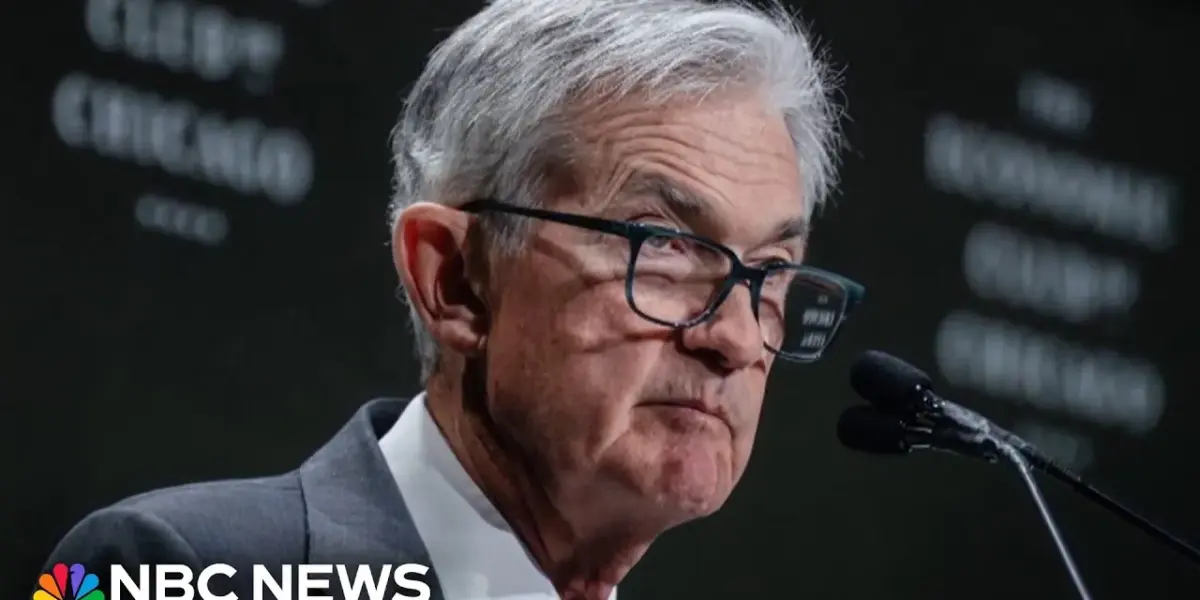
Federal Judge Blocks Subpoenas Targeting Fed Chair Jerome Powell
In a significant legal development, a federal judge has quashed subpoenas issued to Federal Reserve Chair Jerome Powell and the Federal Reserve Bank. The subpoenas, served in January, were reportedly connected to an investigation into the renovation of Federal Reserve office buildings. U.S. District Judge James Boasberg ruled that the subpoenas could not stand, delivering a strong rebuke to the Justice Department’s actions.
Scathing Judicial Rebuke Over Investigation Tactics
The controversy first came to light when Federal Reserve Chair Jerome Powell himself issued a rare public video statement, revealing that he and the Federal Reserve Bank had been served with subpoenas. Powell characterized the action as an “attack on his independence and on the Fed’s independence.”
Judge Boasberg’s ruling, however, went further, offering a pointed critique of the government’s motivations. According to a portion of the ruling read, the judge stated, “A mountain of evidence suggests that the government served these subpoenas on the Board to pressure its Chair into voting for lower interest rates or resigning.” He emphatically declared, “This will not stand.”
In stark contrast, Judge Boasberg noted the lack of evidence against Powell, stating, “On the other side of the scale, the government has produced essentially zero evidence to suspect Chair Powell of a crime.” This assessment directly challenges the basis for the subpoenas and the investigation itself.
U.S. Attorney’s Office Defends Actions, Calls Judge “Activist”
The U.S. Attorney’s Office for the District of Columbia, led by U.S. Attorney Jeanine Pirro, had brought the subpoenas. In response to the judge’s ruling, Pirro’s office reportedly called Judge Boasberg an “activist judge.” The office has also asserted that Powell is “bathed in immunity” and cannot be charged with a crime related to this situation, while acknowledging that he is not immune from all potential charges in other contexts.
The U.S. Attorney’s office has characterized the subpoenas as “wrong” and “without precedent,” indicating a potential disagreement with the judge’s interpretation of the law and the circumstances surrounding the investigation.
Congressional Reaction and Political Fallout
The legal ruling has also drawn immediate attention from Capitol Hill. Senator Thom Tillis (R-NC), who is not seeking re-election, has been a vocal critic of the investigation. Tillis, who has previously blocked President Trump’s nominee to replace Powell, issued a statement supporting the judge’s decision.
“This ruling confirms just how weak and frivolous the criminal investigation of Chairman Powell is, and is nothing more than a failed attack on Fed independence,” Senator Tillis stated. He further advised the U.S. Attorney’s office to “save itself from further embarrassment,” suggesting that the investigation was doomed to fail.
Tillis’s comments underscore a broader concern among some lawmakers that the investigation represented an inappropriate attempt to interfere with the Federal Reserve’s independent monetary policy decisions. His willingness to speak out more freely, potentially unburdened by re-election concerns, highlights the political sensitivity of the matter.
Broader Implications for Federal Reserve Independence
The attempted subpoenas and the subsequent judicial intervention raise critical questions about the independence of the Federal Reserve. The Fed’s ability to set monetary policy free from political pressure is considered paramount to economic stability. Any perception of undue influence or politically motivated investigations could undermine public confidence in the institution.
Chair Powell’s decision to issue a public video statement, a highly unusual move for a Fed chair, signaled the seriousness with which he viewed the subpoenas and their potential to disrupt the Fed’s operations and its standing. The judge’s strong language in blocking the subpoenas appears to validate Powell’s concerns about the investigation’s intent.
The market reaction to this news is being closely watched. Historically, any perceived political interference or uncertainty surrounding the Federal Reserve can lead to volatility in financial markets. The swift intervention by the judiciary, however, may offer some reassurance to investors concerned about the Fed’s autonomy.
What’s Next?
While the immediate threat of these specific subpoenas has been neutralized, the U.S. Attorney’s office may explore other legal avenues or reconsider its investigative strategy. The political ramifications for the Justice Department and the ongoing debate surrounding the Federal Reserve’s independence will likely continue. Observers will be watching to see if the U.S. Attorney’s office appeals Judge Boasberg’s decision or if this ruling effectively closes the chapter on this particular investigation into Chair Powell and the Federal Reserve Bank.
Source: Judge blocks subpoenas against Fed Chair Jerome Powell (YouTube)

Related Articles


Iran Conflict Sparks Market Volatility, Experts Weigh In
Geopolitical tensions in the Middle East have rattled global markets, with stocks falling and safe-haven assets like the U.S. dollar strengthening. Experts suggest the market may have overreacted, creating potential buying opportunities, but warn of a "bumpy journey" ahead due to infrastructure damage and potential oil shortages. Concerns also linger about the Federal Reserve's independence amidst political commentary.


US Holds 8,000 Tons of Gold: A History Lesson
Discover how the U.S. amassed over 8,000 tons of gold, a journey that began with President Roosevelt's 1933 order and the Bretton Woods Agreement. Learn how this historical gold hoard shaped the dollar's global dominance and its eventual decline.


Rate Hike Fears Spark Market Sell-Off, Geopolitics Add Fuel
Markets are reeling as a surprising shift in Federal Reserve expectations, with rate hikes now being priced in, combines with escalating Middle East tensions. This has triggered a liquidity crunch across assets, impacting everything from stocks to bonds and gold.