DOJ Appeals Judge’s Ruling Blocking Grand Jury Subpoena
The U.S. Department of Justice is appealing a federal judge's decision that imposed a high standard on a grand jury subpoena, potentially hindering an investigation into significant financial irregularities. U.S. Attorney Damian Williams argued the ruling improperly obstructs the grand jury's broad investigatory powers, citing Supreme Court precedent.

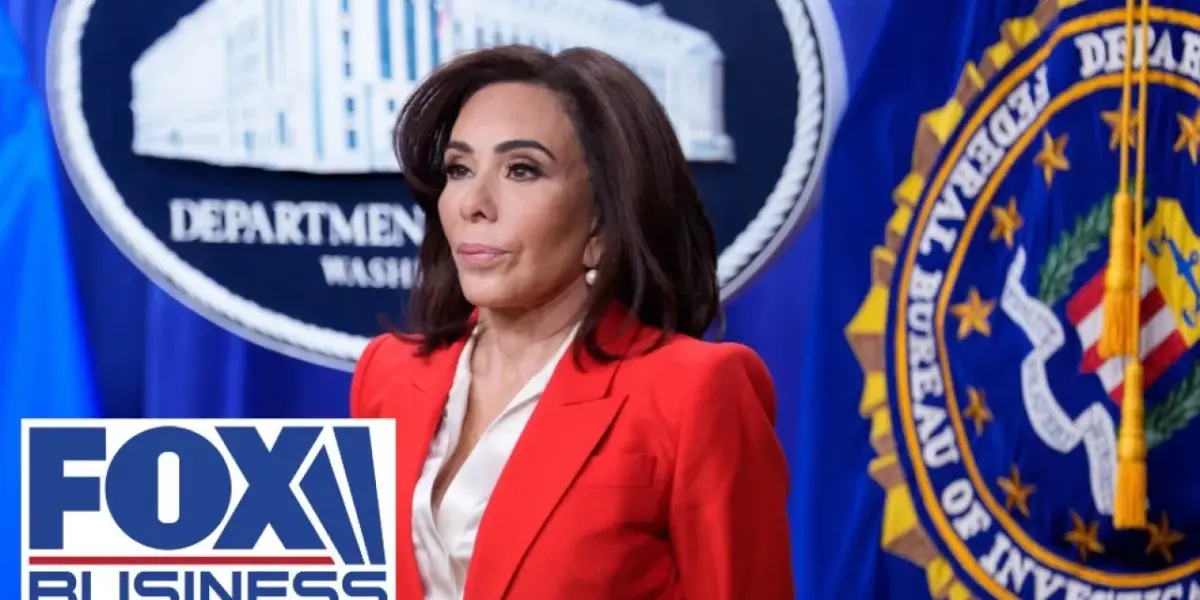
DOJ Pushes Back Against Judicial Blockade in Federal Investigation
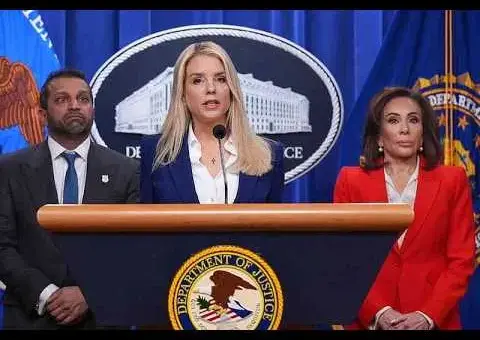
NEW YORK – The U.S. Department of Justice has launched an appeal against a federal judge’s decision that significantly hampered a grand jury investigation, potentially involving the Federal Reserve chair. U.S. Attorney for the Southern District of New York, Damian Williams, announced the appeal, asserting that the judge’s ruling improperly imposed a higher standard than legally required for grand jury subpoenas and undermined the investigative process.
Grand Jury Powers Under Scrutiny
At the heart of the dispute is the standard of proof required for a grand jury subpoena. Citing U.S. Supreme Court precedent, Williams emphasized that grand juries possess broad discretion to investigate based on mere suspicion that the law is being violated, or even to ensure the law is not being violated. “In fact, the court says a grand jury may act on tips and rumors,” Williams stated during a press briefing. He criticized the judge, identified as Judge Booseberg, for requiring the government to demonstrate “probable cause” – a standard typically associated with arrests and warrants, not subpoenas – to justify the issuance of a grand jury subpoena.
“Probable cause is not and never has been the standard that prosecutors in this country need in order to go into a grand jury,” Williams asserted. “This is not and has never been the law of the land.” He argued that such judicial impositions “impede a prosecutor’s investigation and thus frustrate the public’s interest in the fair and expeditious administration of justice.”
“No one, folks, is above the law. And this outrageous decision will be appealed by the United States Department of Justice.”
– Damian Williams, U.S. Attorney for the Southern District of New York
Investigation Focus: Billions in Cost Overruns
While the specific target of the investigation remains undisclosed, Williams confirmed the inquiry involves potential violations of statutes related to financial misconduct and fraud. He highlighted significant financial irregularities, stating, “We’re looking at a billion dollars over uh co in cost overruns. Are you kidding? a billion dollars.” This substantial figure underscores the gravity of the investigation and the public interest in understanding where these funds have gone.
When pressed about whether the investigation targeted specific political figures, Williams deflected, stating, “I’m not here to talk about six members of Congress. I’m here to talk about the fact that the grand jury has a job.” His focus, he reiterated, is on presenting evidence to the grand jury and ensuring the public has answers regarding the substantial financial discrepancies.
Judicial Independence vs. Investigative Authority
The U.S. Attorney’s office is pursuing not only an appeal but also a motion to reconsider the judge’s decision, citing alleged inaccuracies in the judge’s assessment of dates and the impetus for the inquiry. Williams pushed back against characterizations that the investigation was initiated at the behest of political figures, including former President Trump. He clarified that the inquiry stemmed from public interest, information requested by the Senate Banking Committee, and matters within his office’s jurisdiction.
Drawing a parallel to his early career investigating child abuse, Williams recounted how he was willing to work with any source, even those with poor reputations, if it led to uncovering potential crimes. “I’ll deal with the devil. I’ll take a case from the devil if you can give me information that will lead me to possibly find a crime,” he explained. “It doesn’t matter where a case comes from. It doesn’t matter. I can have a suspicion. I can read the newspaper. I can just want to make sure he didn’t commit a crime.”
Concerns Over Setting Precedents
Williams expressed concern that the judge’s ruling could set a dangerous precedent, potentially empowering defense attorneys nationwide to obstruct grand jury investigations by claiming their clients are being targeted or are immune. “A judge standing in front of the door of a grand jury blocking our access. A role that has never been envisioned,” he stated, warning that such decisions could lead to a situation where “the guy’s bathed and washed in immunity, and you can’t go after him.”
He emphasized the importance of allowing the grand jury process to function as intended, stating, “The process should have been allowed to run its course and it wasn’t.” Williams also highlighted his office’s success in prosecuting cases, asserting that their focus remains on the law and the people of the district, not political maneuvering. “I have a charge and an oath to the Constitution. And my job is to present evidence,” he concluded. “We are focused on the law. We’re focused on the people of the district. We are not focused on politics.”
What’s Next?
The DOJ’s appeal and motion to reconsider will now move forward, with legal observers closely watching to see if the higher courts will uphold the broad investigatory powers of grand juries or affirm the judge’s restrictive interpretation. The outcome could have significant implications for the future of federal investigations and the balance of power between the judiciary and the prosecution.
Source: WATCH: Pirro briefs press on DOJ investigation into Fed chair (YouTube)

Related Articles
DOJ Pays Millions to Ally: Is This Legal?
A $1.2 million payout from the DOJ to Mike Flynn, a former Trump ally, has sparked outrage and questions about legality and oversight. Critics fear a pattern of "grift and corruption," while calls for accountability echo historical precedents.
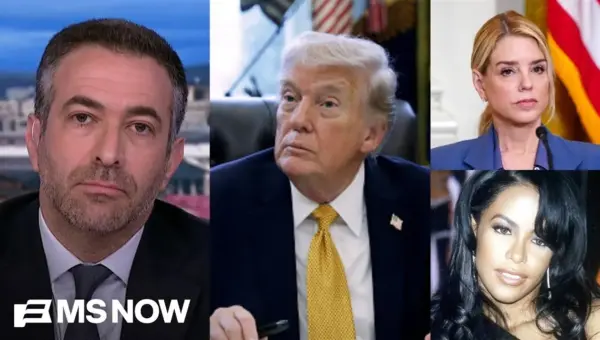
Trump’s Legal Battles: Cases Crumble, Appeals for Funds Fail
The Department of Justice (DOJ) is facing accusations of partisanship and incompetence following a series of failed prosecutions targeting individuals on Donald Trump's 'enemies list.' Despite repeated losses in court, officials like Attorney General Bondi are reportedly continuing to pursue similar legal strategies, raising concerns about fairness and adherence to the law. Meanwhile, questions surround a million-dollar payment to former Trump ally Michael Flynn and Trump's past failed attempt to secure millions in taxpayer funds.
DOJ’s Secret Admission Undermines Trump-Era Prosecutions
A recent admission from the Department of Justice reveals prosecutors pursued a case against Jerome Powell without evidence of a crime. This raises serious questions about the weaponization of legal tools for political purposes during the Trump administration and erodes judicial trust.