Hegseth Dismisses Hormuz Concerns Amid Rising Oil Prices
Defense Secretary Pete Hegseth has downplayed concerns regarding the Strait of Hormuz, despite ongoing tensions with Iran and their impact on global oil prices. The comments come as President Trump eases sanctions on Russian oil, prompting analysis from international correspondents and defense experts.

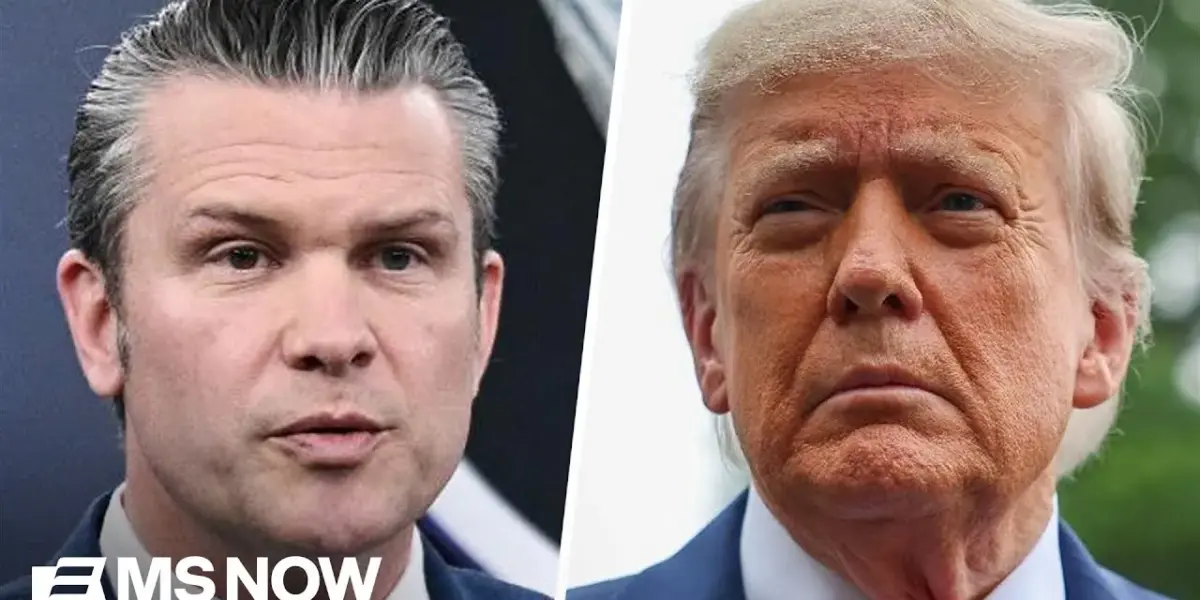
Hegseth Urges Calm Over Strait of Hormuz Tensions
Amidst escalating global economic anxieties, U.S. Defense Secretary Pete Hegseth has publicly stated that concerns over the Strait of Hormuz, a critical chokepoint for global oil transport, are unwarranted. The comments come as President Trump has eased sanctions on Russian oil, a move seemingly linked to rising global energy prices potentially exacerbated by the ongoing conflict with Iran and the resulting near-standstill at the vital waterway. The assertion from the Defense Secretary has drawn discussion from international correspondents and former Pentagon officials, who weigh the implications for global markets and geopolitical stability.
Economic Ripples from Hormuz Standstill
The Strait of Hormuz, a narrow maritime passage connecting the Persian Gulf to the open ocean, is a crucial artery for the world’s energy supply. Approximately one-fifth of the world’s total oil consumption passes through this strategic waterway daily. Recent escalations in tensions involving Iran have led to significant disruptions, raising fears of a complete halt in oil tanker traffic. This potential shutdown has sent shockwaves through global financial markets, with oil prices experiencing notable increases. The situation has prompted widespread concern about the broader economic ramifications, including inflation, supply chain disruptions, and potential recessions in heavily import-dependent nations.
Hegseth’s Reassurance and Expert Reactions
In a recent statement, Defense Secretary Hegseth advised against excessive worry regarding the situation at the Strait of Hormuz. While the specifics of his remarks were not detailed in the initial reports, the sentiment conveyed suggests a confidence within the U.S. defense establishment regarding the management of the crisis and its potential impact. This reassurance, however, has been met with careful analysis from various media and security experts.
Dubai-based correspondent Inzamam Rashid, Sky News Anchor Wilfred Frost, and former CNN Pentagon Correspondent Barbara Starr joined Katy Tur to discuss the developing situation. The panel engaged in a discussion regarding the implications of the near-total standstill at the Strait of Hormuz and its impact on the global economy.
Rashid, reporting from Dubai, likely offered insights into the regional perspective, where the economic stakes are particularly high. The Gulf region’s economies are heavily reliant on oil exports, and any prolonged disruption in the Strait of Hormuz could have severe consequences. Frost, as a Sky News Anchor, would have provided a broader international viewpoint, highlighting how different global economies are bracing for potential impacts. Starr, with her extensive background covering the Pentagon, would have likely focused on the U.S. military’s posture and capabilities in the region, assessing whether Hegseth’s reassurances are grounded in concrete defense strategies or diplomatic assurances.
Sanctions Relief and Energy Market Dynamics
The concurrent decision by President Trump to lift oil sanctions on Russia adds another layer of complexity to the unfolding situation. Russia is a major global oil producer, and the easing of sanctions could theoretically increase supply and help stabilize prices. However, the timing of this decision, juxtaposed with the heightened tensions in the Strait of Hormuz, raises questions about strategic intent and market manipulation. Analysts are debating whether the sanctions relief is a proactive measure to counteract the potential price surge caused by Hormuz disruptions, or if it signals a broader shift in U.S. foreign policy regarding energy markets and geopolitical alliances.
Broader Geopolitical Implications
The situation at the Strait of Hormuz is not merely an economic concern; it is deeply intertwined with regional and global geopolitics. Tensions with Iran have been a persistent feature of Middle Eastern dynamics, and any escalation carries the risk of wider conflict. The U.S. military presence in the region, along with that of its allies, plays a crucial role in maintaining freedom of navigation and deterring aggression. Hegseth’s dismissive tone could indicate a belief that diplomatic channels are effectively managing the threat, or that the U.S. is prepared to counter any hostile actions decisively. The international community will be closely watching how these diplomatic and military strategies unfold, particularly concerning the balance of power in the Persian Gulf and its impact on global energy security.
Looking Ahead
As global markets remain sensitive to developments in the Strait of Hormuz, the focus will be on de-escalation efforts and the sustained flow of oil. Investors, policymakers, and consumers alike will be seeking clarity on the effectiveness of current U.S. policies and the stability of the region. The coming weeks will be critical in determining whether Hegseth’s confidence is justified and if the global economy can weather the current storm without significant further disruption. Continued monitoring of maritime traffic, diplomatic statements, and oil price fluctuations will be essential to gauge the true impact of these unfolding events.
Source: Hegseth says not to worry about Strait of Hormuz despite global economic concerns (YouTube)

Related Articles


Iran Targets US With Cyberattacks, Escalating Digital Warfare
Iran is increasingly using cyberattacks to challenge the U.S., as seen in a recent hack of the FBI director's account. Experts say this is a strategic shift due to Iran's limitations in conventional warfare. The U.S. needs to strengthen its digital defenses, focusing on encryption and cloud computing, rather than solely relying on traditional security measures.

Iran Hacks FBI Chief, Exposing U.S. Cyber Vulnerabilities
A recent hack of FBI Director Kash Patel's personal email by an Iran-linked group highlights Iran's growing cyber threat to the U.S. Experts explain how simple security oversights are exploited, emphasizing the need for basic defenses like two-factor authentication to protect against propaganda and potential infrastructure attacks.
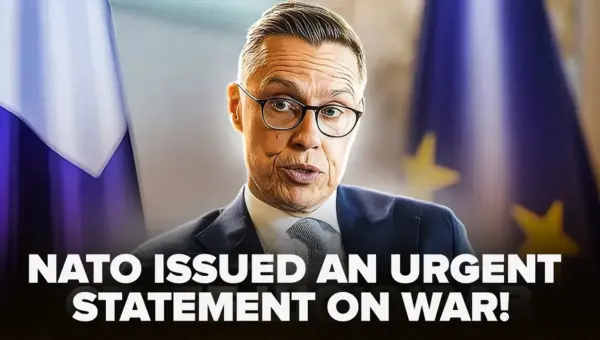
Ukraine Strikes Russian Oil Refinery, Eyes Iran Threat
Ukrainian forces struck a key Russian oil refinery, disrupting Moscow's war capabilities. Meanwhile, Finland's president urged continued U.S. support for Ukraine, as Kyiv shares its air defense expertise globally amid growing geopolitical complexities involving Iran and potential sanctions against Hungary.