War’s Paradox: Hegseth Champions Peace Through Conflict
Pete Hegseth argues that war, paradoxically, can be a necessary pursuit of peace, rooted in divine providence and requiring spiritual support for leaders and warriors. This perspective challenges conventional views and highlights the complex moral dimensions of conflict.

War’s Paradox: Hegseth Champions Peace Through Conflict
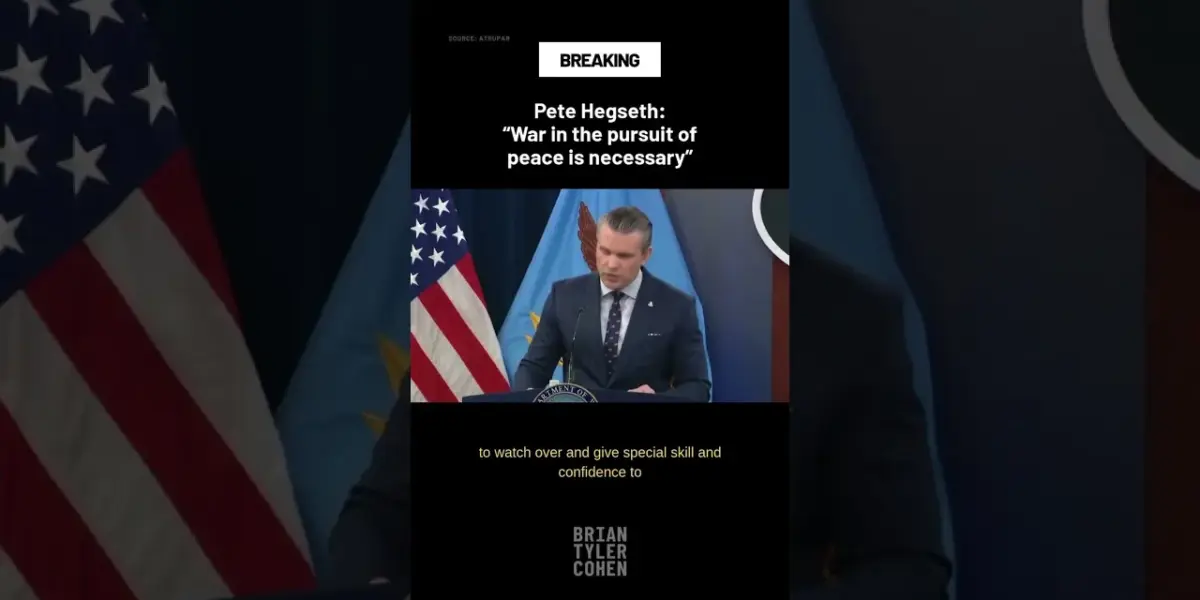
In a striking assertion that cuts against conventional pacifist sentiments, Pete Hegseth posits that war, in certain contexts, is not merely an unfortunate reality but a necessary precursor to peace. This perspective, articulated with a spiritual undercurrent, frames military action as a divinely sanctioned endeavor, undertaken with the ultimate aim of achieving a lasting tranquility. The argument rests on a profound, albeit controversial, interpretation of geopolitical necessity and the role of faith in leadership and conflict.
The Divine Mandate for Conflict
Hegseth’s core message revolves around the idea that “war in this context and in pursuit of peace is necessary.” This is not a call for indiscriminate aggression, but rather a reasoned, though spiritually framed, argument for the strategic use of force to secure a more stable and peaceful future. The emphasis is on the *pursuit of peace* as the driving motivation, suggesting that the absence of conflict is not always the most effective path to enduring peace. Instead, he implies that sometimes, conflict must be engaged to dismantle threats or establish conditions that prevent greater future suffering.
This viewpoint is deeply intertwined with a call for spiritual guidance and divine providence. Hegseth urges continuous prayer, “on bended knee,” for leaders and warriors. This plea is not for victory in a traditional sense, but for the impartation of “special skill and confidence” to those entrusted with making life-and-death decisions and executing military operations. The implication is that the burden of war is immense, requiring not only human capability but also divine wisdom and fortitude.
Historical Echoes and Philosophical Underpinnings
The notion that war can be a tool for peace has deep roots in philosophical and historical discourse. Carl von Clausewitz, the Prussian general and military theorist, famously described war as “the continuation of politics by other means.” While Clausewitz focused on the political objectives driving conflict, Hegseth’s framing adds a layer of moral and spiritual justification. The idea of a “just war” tradition, which has been debated by theologians and philosophers for centuries, seeks to establish criteria under which warfare is morally permissible. These criteria often include having a just cause, a right intention (such as restoring peace), and being a last resort.
Hegseth’s invocation of “appealing to heaven” and “Almighty God’s providence” places his argument within a tradition that views national security and military actions through a lens of divine favor or mandate. This perspective can be traced through various historical periods, from the concept of “manifest destiny” to the “righteous cause” invoked by nations in times of war. It suggests a belief that there is a higher purpose or a divine plan that may, at times, necessitate difficult and violent actions to achieve a greater good.
The Role of Prayer and Spiritual Support
A significant portion of Hegseth’s message is dedicated to the importance of prayer for those involved in military service. He highlights that “this nation prays for them every single day” and encourages the public to “stay on bended knee and pray for them.” This emphasis on spiritual support underscores the human cost of war and the psychological toll it takes on soldiers and their families. By framing prayer as an active form of support, Hegseth seeks to connect the civilian populace with the military, fostering a sense of shared responsibility and communal care.
The blessing, “Godspeed. May the Lord bless you and keep you,” is a traditional send-off, imbued with a spiritual hope for safety and success. It reflects a deep-seated cultural and religious inclination to seek divine protection for those in harm’s way. This aspect of his message aims to provide comfort and reassurance, both to the warriors themselves and to those who care about them, grounding the harsh realities of war in a framework of faith and hope.
Why This Matters
Hegseth’s perspective challenges a prevalent, often simplistic, view of war as solely destructive. By framing war as a necessary pursuit of peace, he opens a discourse on the complex moral calculus involved in national security and international relations. This is particularly relevant in an era marked by persistent global conflicts and evolving geopolitical threats. Understanding this viewpoint is crucial for appreciating the motivations and justifications behind certain foreign policy decisions and military interventions, especially those framed by leaders with strong religious convictions.
Furthermore, the emphasis on spiritual support highlights the often-overlooked psychological and spiritual dimensions of warfare. It underscores the need for robust support systems for military personnel and veterans, extending beyond material aid to include emotional and spiritual care. The call to prayer also serves as a mechanism for national unity, attempting to bridge divides by focusing on a shared concern for the well-being of those serving the nation.
Implications, Trends, and Future Outlook
The trend of leaders invoking faith and spiritual justifications for policy, particularly in matters of national security, is a recurring theme in modern politics. Hegseth’s remarks align with a broader movement where religious and moral arguments are increasingly integrated into the political discourse surrounding military action. This can resonate with a significant portion of the electorate who share similar faith-based worldviews, potentially shaping public opinion and policy decisions.
However, this approach also carries potential pitfalls. Framing war as divinely ordained can, in some interpretations, lead to an unquestioning acceptance of conflict, potentially diminishing critical evaluation of its necessity, proportionality, and consequences. It can also alienate those who do not share these religious beliefs, creating a schism in public discourse. The future outlook suggests a continued interplay between geopolitical realities, secular policy considerations, and religiously informed perspectives in shaping how nations approach conflict and the pursuit of peace.
Ultimately, Hegseth’s assertion forces a contemplation of the difficult paradoxes inherent in maintaining peace. It suggests that the path to tranquility may, at times, require the willingness to engage in the very thing it seeks to avoid – war. This perspective, while spiritually grounded and historically resonant, invites ongoing debate about the ethical boundaries, practical implications, and ultimate efficacy of using conflict as a means to achieve peace.
Source: Pete Hegseth: "War is the pursuit of peace is necessary" (YouTube)

Related Articles
Pentagon Weighs 10,000 Troops for Iran Showdown
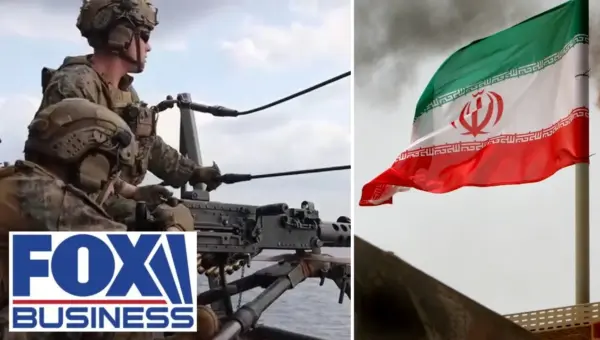
The Pentagon is reportedly weighing a significant troop increase of 10,000 soldiers to the Middle East, potentially escalating tensions with Iran. This move comes amid reports of U.S. precision strikes and interceptions of Iranian missiles by allies, raising concerns about regional stability and global oil supplies.
Iran Conflict Sparks Market Volatility, Experts Weigh In
Geopolitical tensions in the Middle East have rattled global markets, with stocks falling and safe-haven assets like the U.S. dollar strengthening. Experts suggest the market may have overreacted, creating potential buying opportunities, but warn of a "bumpy journey" ahead due to infrastructure damage and potential oil shortages. Concerns also linger about the Federal Reserve's independence amidst political commentary.

Iran War Sparks Nuclear Fears: Is a Global Arms Race Brewing?
The conflict in Iran has heightened global fears of nuclear proliferation and a potential arms race. Experts warn that Iran may pursue nuclear weapons if its current deterrence fails, while historical examples show the dangers of unchecked nuclear ambitions. The world faces uncertain scenarios, ranging from renewed diplomatic efforts to a dangerous escalation of nuclear threats.