Iran’s Oil Lifeline Threatened: Strategic Island Key to Global Markets
The strategic island of Kharg, Iran's primary oil export hub, is under increasing threat as global powers consider measures to disrupt the nation's revenue. This move could cripple Iran's economy but risks skyrocketing global oil prices.

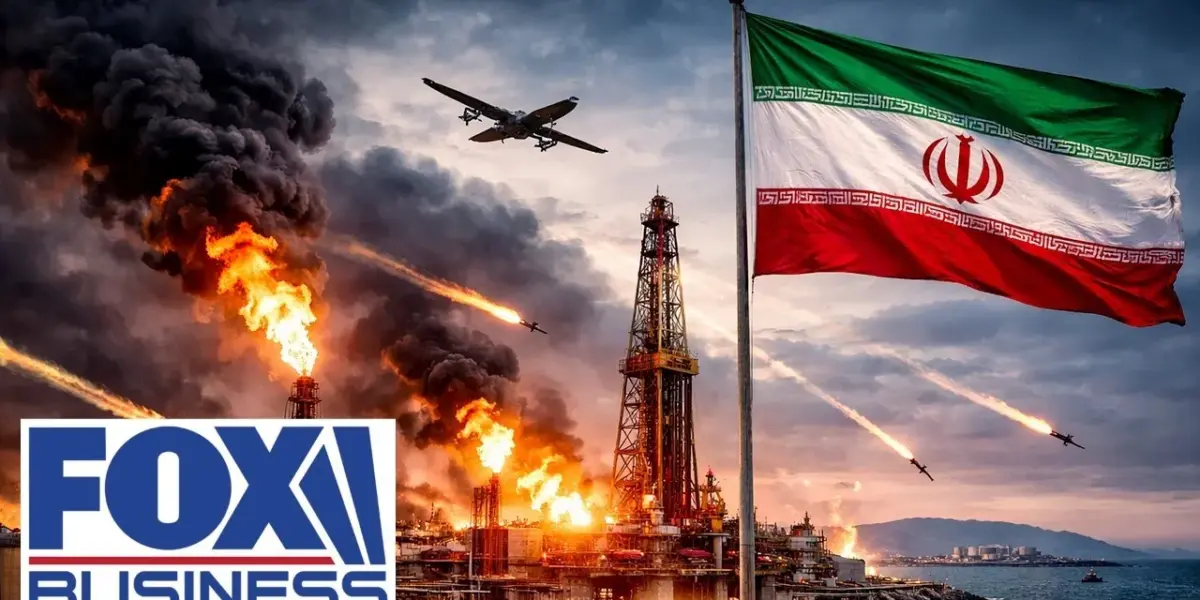
Iran’s Economic ‘Jugular’ Under Threat Amidst Escalating Gulf Tensions
The Strait of Hormuz, a critical global oil chokepoint, is at the center of escalating geopolitical tensions, with the potential seizure of Iran’s Kharg Island emerging as a significant strategic consideration. This island, responsible for processing and exporting approximately 90% of Iran’s crude oil, is being described as the nation’s “economic jugular,” a vital artery whose disruption could have profound global ramifications, particularly on oil prices.
Kharg Island: A Strategic Nexus
Kharg Island, situated in the Persian Gulf, is far more than just an oil terminal; it represents Iran’s economic gravity. Its strategic location within the Strait of Hormuz, a waterway through which a significant portion of the world’s oil supply transits, makes it a prime target in any conflict scenario. The island’s infrastructure is crucial for Iran’s ability to export crude oil, making it a linchpin of the nation’s economy and a key leverage point in regional power dynamics.
“We were talking about Kharg Island two Fridays ago. Consider it the economic jugular, 90% of crude exports flow through the silence. It is an economic center of gravity but has significant Navy presence.” – Mike Sarraille, former Navy SEAL.
The potential military implications of targeting Kharg Island are substantial. Experts suggest that a campaign similar to the early stages of the Iraq War, where coalition forces seized key oil infrastructure, could be replicated. Such an operation would not only aim to cripple Iran’s financial capabilities but also potentially serve as a staging ground for further military operations, leveraging its strategic position in the Strait of Hormuz.
Disrupting Iran’s Financial Flow
The primary objective behind considering actions against Kharg Island is to cut off Iran’s revenue stream. By disrupting the flow of oil exports, the international community could significantly weaken the Iranian regime. However, this strategy comes with a significant caveat: a direct impact on global oil prices, which are expected to surge if Iran’s primary export hub is compromised.
Mike Sarraille, a retired Navy SEAL, elaborated on the strategic importance: “If we did take it, we would cut Iran’s money supply, but at the same time, the price of oil would go up.” This highlights the delicate balance between achieving strategic objectives against Iran and managing the global economic fallout.
The Strait of Hormuz: A Global Pressure Cooker
The broader context of this discussion is the ongoing volatility in the Strait of Hormuz, which has been a consistent focal point for maritime harassment orchestrated by the Iranian Revolutionary Guard Corps (IRGC) Navy. Their actions are specifically designed to create uncertainty and disrupt the global flow of oil, thereby exerting pressure on international markets and influencing geopolitical decisions.
The free flow of oil through the Strait of Hormuz is considered by many to be a prerequisite for the cessation of the current conflict. “This war will not end unless a free flow of oil goes through the Strait of Hormuz,” stated one analyst, underscoring the interconnectedness of regional stability and global energy security.
The need for stable oil markets is particularly acute for major consumers like China, which has already experienced disruptions to its energy supply from other sources such as Venezuela and Iran. Ensuring open and free-flowing oil markets is therefore a critical global economic imperative.
Eradicating Iran’s Offensive Capabilities
Beyond securing the oil chokepoint, a comprehensive strategy would also involve neutralizing Iran’s missile and drone capabilities. While these assets may be currently depleted, intelligence suggests Iran has plans for their continued development and deployment. The IRGC Navy has been observed to utilize mobile launch sites and concealed storage for drones and ballistic missiles, making their complete eradication a complex and ongoing challenge.
The reduction in volleys of these weapons in recent weeks, however, suggests that efforts to degrade Iran’s offensive strike capabilities are yielding results. The ongoing campaign aims to dismantle both the naval and coastal defense systems, as well as the more elusive mobile strike platforms.
“The objective is not just opening the Strait of Hormuz but also getting rid of, destroying all of Iran’s missiles and drones.”
The strategy employed leverages the Strait of Hormuz as a “pressure lever.” By demonstrating the capacity to disrupt global oil supplies and degrade Iran’s military assets, the aim is to impose significant regional and global costs on Iran, compelling a change in its behavior.
Looking Ahead: The Future of Oil Flow and Regional Stability
The coming weeks and months will be critical in observing the effectiveness of international efforts to stabilize the Strait of Hormuz and degrade Iran’s military capabilities. The world will be watching closely to see if the flow of oil can be secured without triggering an uncontrollable spike in global prices. Furthermore, the success of these operations will likely shape the future of regional security dynamics and Iran’s role within the international community.
Source: 'ECONOMIC JUGULAR': Iran's OIL LIFELINE under THREAT as prices skyrocket (YouTube)

Related Articles


Mexico Navigates US-China Rivalry
Mexico is caught in a geopolitical tug-of-war between the United States and China. The nation must carefully balance its economic needs and strategic interests with both superpowers. This situation highlights Mexico's growing importance in global affairs.
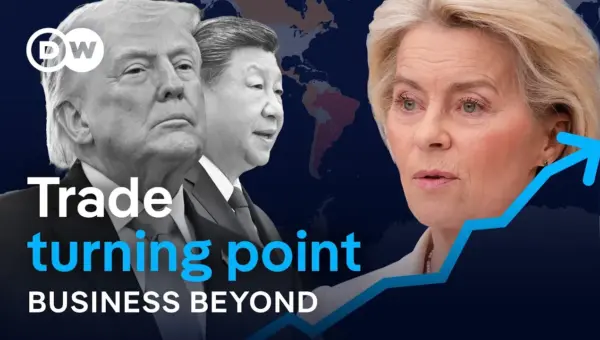
Europe Strikes New Trade Deals, Eyes Global Influence
The European Union is actively forging new trade alliances, notably with South American nations like Brazil, to reduce reliance on China and the US. Driven by the need for critical resources like rare earth metals and the desire to boost its own industries, Europe is making strategic concessions and seeking new markets, despite facing internal criticism and a changing global economic landscape.

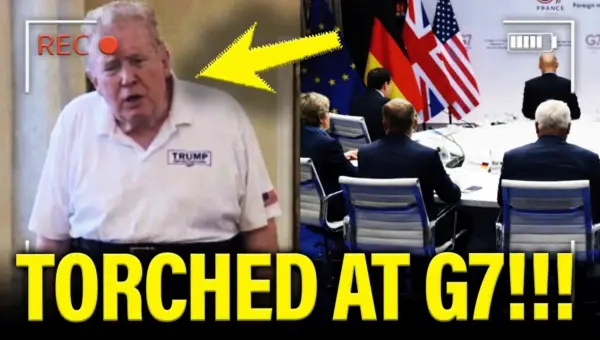
G7 Leaders Clash Over Trump’s Iran Policy Amidst Global Crisis
World leaders at a G7 meeting voiced sharp criticism of Donald Trump's Iran policy, citing concerns over the Strait of Hormuz and a looming global recession. Disagreements emerged regarding strategy and accusations of misinformation, highlighting deep divisions.