Russian TV Host Demands Nuclear Strikes on Europe
Prominent Russian state TV host Vladimir Solovyov has called for targeted strikes on European cities and threatened nuclear escalation if the West intervenes. The broadcast highlights Russia's shifting propaganda tactics, including blaming others and portraying itself as a victim amidst escalating war rhetoric.

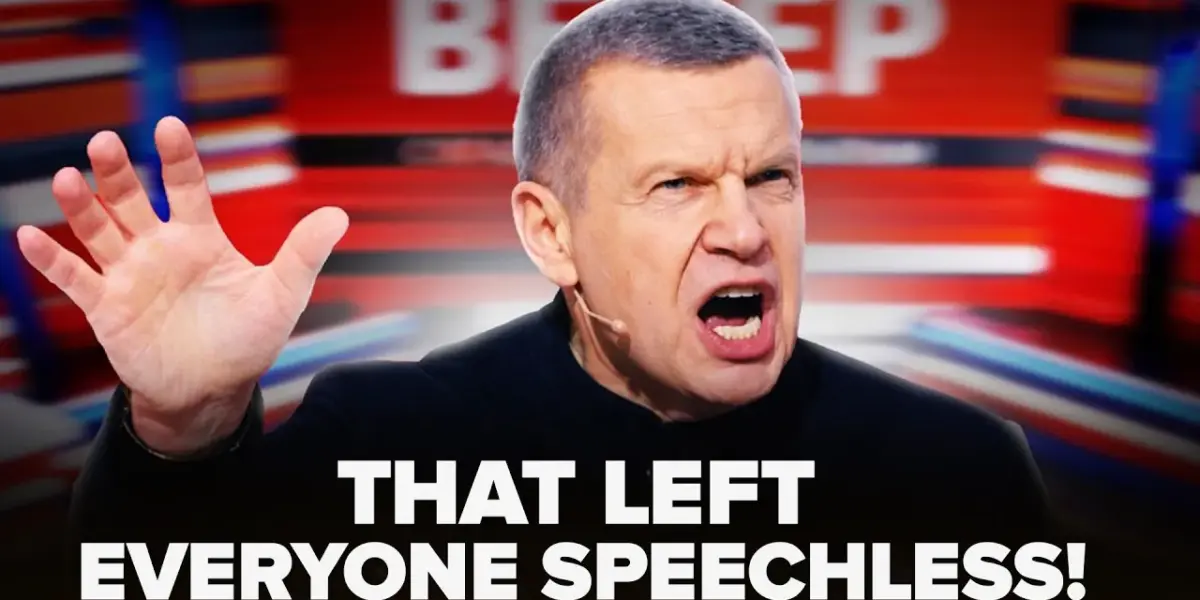
Solovyov Advocates for Striking European Cities, Escalating Nuclear Rhetoric
In a startling escalation of rhetoric, prominent Russian state television host Vladimir Solovyov has openly called for targeted strikes against European countries, explicitly mentioning Germany, France, the United Kingdom, Belgium, Scandinavia, and the Baltic states. During a broadcast, Solovyov proposed a specific day for these strikes, emphasizing they would not involve nuclear weapons initially but would be executed in a manner to leave “absolutely no doubt.” He further suggested that if Europe were to engage in a direct armed conflict, Russia should then employ tactical nuclear weapons, warning of a “large nuclear war” if the United States chose to defend its European allies.
Propaganda Machine Shifts Blame Amidst War Escalation
The segment, analyzed by the program “Spin Snipers,” highlights a concerning trend of Russian state media amplifying threats beyond Ukraine, now directly addressing Washington. The analysis points to a shift in mood regarding former President Trump, with some Russian voices reportedly regretting his survival of an assassination attempt. The broadcast also noted Russia’s attempt to leverage the conflict between the United States and Iran to justify its own actions in Ukraine, a tactic described as an effort to “rewrite responsibility after the fact” and disguise aggression as normal.
“Russian propagandists are really going off the rail, doing what they do best, shouting the loudest and waving the nuclear threat around. And the threats are not just aimed at Ukraine or Europe anymore. Now they’re warning Washington as well.”
Calls for Eliminating Ukrainian Leadership and Decision Centers
Solovyov’s inflammatory remarks extended to advocating for the elimination of Ukraine’s military and political leadership, including “all the decision-making centers.” He drew a parallel to U.S. military actions, stating, “The United States carried out strikes on thousands of sites related to decision-making centers. So let us wipe from the face of the earth the decision-making centers in Kiev, Odessa, Kharkiv, and Mikoliv.” This demand comes amidst ongoing Russian missile and drone attacks that have indiscriminately targeted civilian infrastructure, including homes, schools, and hospitals, leading to the conclusion by observers that Russia is primarily fighting ordinary people.
Debate Over Battlefield Reality and Direct U.S. Involvement
Within the broadcast, a guest challenged the rosy picture of the front lines often presented by propaganda, suggesting Russia is “bogged down” in Ukraine. Solovyov, however, dismissed these concerns, insisting that Russia was “forced to enter this war in order to preserve itself.” The discussion then devolved into a debate about the extent of direct U.S. military involvement in Ukraine, with one participant questioning the presence of significant American troop numbers or active military operations. The counterargument emphasized the substantial indirect support and enabling of Ukrainian forces by the U.S.
Nuclear Threats as a Tool to Undermine European Support
The repeated nuclear threats, particularly those directed at Europe, are analyzed as a strategic attempt to weaken public support for Ukraine. The narrative suggests that by instilling fear, Moscow aims to erode the foundational pillar of Ukraine’s international backing. Paradoxically, Russian media simultaneously accuses Europe of preparing for war and rejecting the U.S. nuclear umbrella, framing European discussions about a stronger defense as aggression.
Accusations of European Aggression and Nuclear Posturing
Russian propagandists have asserted that Europe is preparing for a nuclear war with Russia, a narrative that gained traction following discussions about a European nuclear deterrent. This perspective suggests that any defensive measures taken by European nations are interpreted by Moscow as provocative. The deployment of Russian nuclear weapons in Belarus is cited as a legal response within the context of the Union State, while framing European actions as a rejection of the strategic nuclear balance.
Russia Portrays Itself as a Victim Amidst Escalating Threats
The analysis highlights a consistent pattern of Russia attempting to position itself as the victim, even while issuing threats of destruction. The broadcast pointed out the illogical claim that small Baltic states, which do not possess nuclear weapons, could pose a nuclear threat to Russia, which holds the world’s largest nuclear arsenal. This narrative is seen as a deflection from Russia’s own aggressive actions and a precursor to potential escalations, mirroring the justification used for the invasion of Ukraine.
“History has taught us, at least Ukrainians know this very well, that when Russia accuses someone of something, it’s often exactly what they are planning to do themselves.”
Imaginary Threats and Shifting Narratives
Further examples of these “imaginary threats” include claims that Ukraine is preparing to strike Belarus, a narrative presented without clear purpose or evidence. The discussion also touched upon the potential for escalation in the Suwalki Gap, with Russian commentators suggesting it is linked to preparations for a blockade of the Kaliningrad region. The Iranian crisis is invoked as a lesson, with the argument that an aggressor must be stopped early, a principle seemingly applied selectively by Moscow.
Trump’s Diminished Standing and Russia’s Diplomatic Maneuvers
The recent U.S. military actions against Iran have led to a reevaluation of Donald Trump in Russian media. Previously viewed with admiration, his current actions have reportedly drawn criticism, particularly given Iran’s status as a Russian ally supplying drones. The broadcast suggests that Russia views U.S. involvement in negotiations, including those concerning Iran, as a potential screen for aggression. Moscow’s approach to peace talks with Ukraine is characterized as “pure theater,” aimed at buying time and potentially avoiding actions that might antagonize Trump.
Calls for Uncompromising Victory and Rejection of Negotiations
Despite conflicting narratives about diplomatic efforts, the underlying message from Russian state media remains consistent: a demand for outright victory with no negotiations or compromises. Solovyov’s rhetoric, in particular, frames the West as embodying “absolute evil” and makes negotiations appear futile. The overarching sentiment expressed is the need for decisive, harsh, and ruthless action to achieve victory, with any faltering or attempts at agreement seen as weakness.
The Real Face of Russian Propaganda
The segment concludes by characterizing the rhetoric as the “real face of Russian propaganda,” exposing the alleged true goals of the Kremlin and those supporting Putin’s regime. The analysis emphasizes the importance of critical thinking and skepticism in navigating these narratives, urging viewers to “stay curious, stay skeptical, and don’t fall for the spin.”
Source: 😱Solovyov loses it on air! War remark stuns everyone. Admission is blowing up online (YouTube)

Related Articles
Ukraine Strikes Russian Oil Refinery, Eyes Iran Threat
Ukrainian forces struck a key Russian oil refinery, disrupting Moscow's war capabilities. Meanwhile, Finland's president urged continued U.S. support for Ukraine, as Kyiv shares its air defense expertise globally amid growing geopolitical complexities involving Iran and potential sanctions against Hungary.
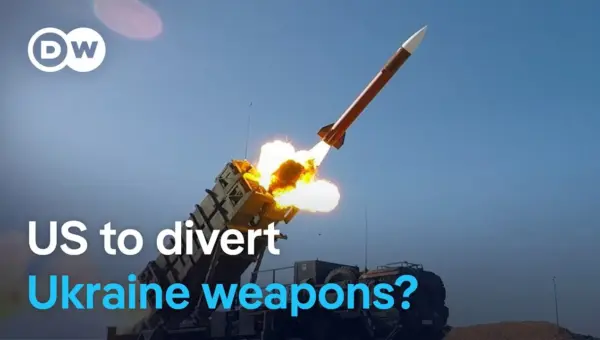
US Weighs Shifting Ukraine Weapons to Iran Amid Missile Shortage
The U.S. is reportedly considering diverting weapons destined for Ukraine to support operations against Iran, driven by rapidly depleted missile stocks. This potential shift raises concerns about Ukraine's defense capabilities and highlights the complex interplay between global conflicts.
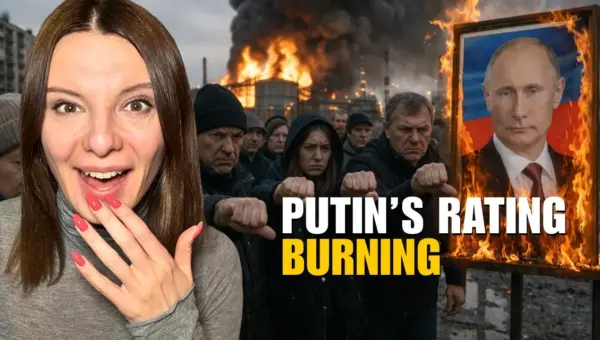
Ukraine Strikes Cripple Russian Oil Exports
Ukrainian drone strikes are crippling Russia's oil exports and damaging its economy, leading to falling domestic support for President Putin. The targeted attacks on refineries and terminals aim to cut off war funding and have significant geopolitical consequences.