Iran Strikes Spark Stagflation Fears: Oil Shocks Threaten Growth
U.S. strikes in Iran have sent oil prices higher, sparking fears of a return to stagflation. With key economic indicators showing weakness and inflation concerns rising, the Federal Reserve faces a challenging balancing act.

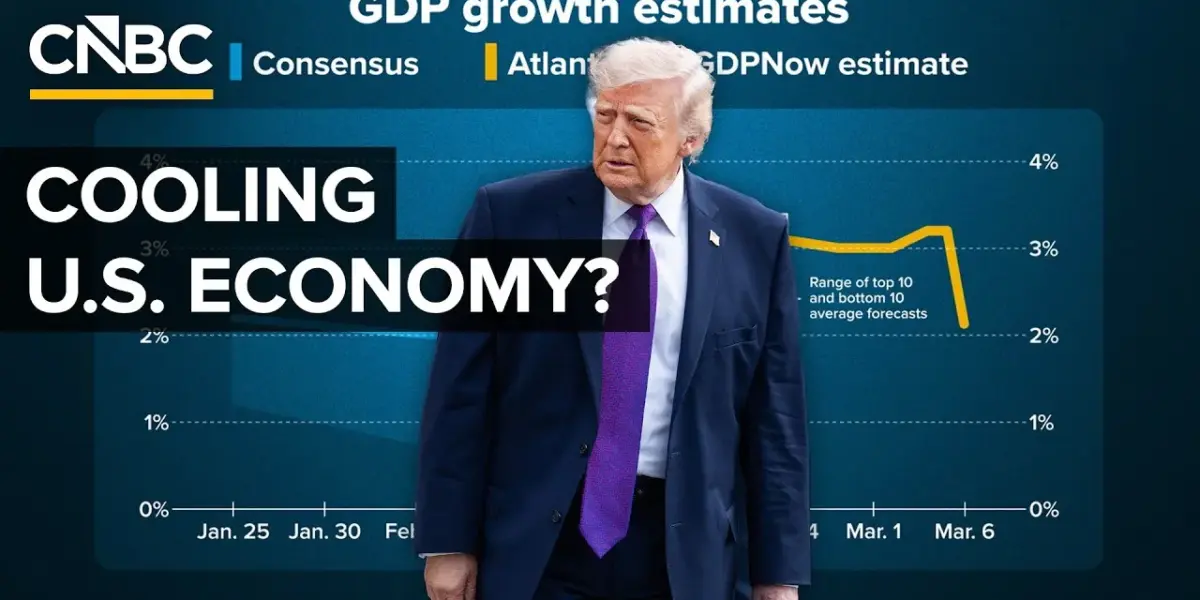
Iran Strikes Spark Stagflation Fears: Oil Shocks Threaten Growth
Recent U.S. military actions targeting Iran have ignited concerns about a potential resurgence of stagflation, a perilous economic condition characterized by slow growth and high inflation. While official economic data has yet to fully reflect the impact, leading economic indicators and market reactions suggest that persistent oil price shocks could derail the current economic expansion and complicate the Federal Reserve’s policy decisions.
Oil Prices Surge Amid Geopolitical Tensions
The escalating conflict in the Middle East has led to a series of strikes within Iran, prompting a significant, albeit perhaps less than anticipated, rise in oil prices. This situation evokes memories of the oil shocks of the 1970s, a period when the term “stagflation” became a household concern. The disruption to energy infrastructure and the increased risk associated with key shipping lanes like the Strait of Hormuz, which handles approximately 20% of global oil trade, are contributing factors to upward pressure on crude prices.
The inability of tankers to safely transit the Strait of Hormuz due to security concerns poses a direct threat to global oil supply. While the U.S. Navy and its allies have pledged to escort vessels if necessary, the inherent uncertainty has made energy traders “skittish.” This heightened volatility suggests a strong possibility of further substantial increases in oil prices, potentially pushing benchmarks well above the $100 per barrel mark.
Economic Indicators Show Cracks in Growth
While the broader economic picture has shown resilience, recent data points to potential weaknesses. The Atlanta Fed’s GDP Now tracker experienced a notable decline, a reaction partly attributed to a disappointing jobs report. In February, the U.S. economy lost approximately 90,000 jobs, a stark contrast to the 110,000 jobs created throughout the entirety of the previous year. Such a slowdown in job creation, when coupled with an energy shock, could lead employers to reconsider staffing levels and potentially initiate layoffs.
The impact of higher energy costs is felt broadly across the economy. For instance, the price of diesel fuel has seen a substantial increase, directly affecting transportation and logistics costs. These increased operational expenses can ripple through to consumers in the form of higher prices for goods and services, exacerbating inflationary pressures.
Understanding Stagflation
Stagflation represents a challenging economic scenario where a nation experiences stagnant economic growth alongside high inflation. Typically, economic growth and inflation move in opposite directions. When growth is robust, inflation may rise as demand increases, prompting central banks to tighten monetary policy. Conversely, during periods of slow growth or recession, inflation often subsides due to weaker demand. Stagflation breaks this pattern, creating a difficult environment for policymakers.
The Federal Reserve targets an inflation rate of around 2%, with a corresponding economic growth rate also near that level considered healthy. Deviations where inflation exceeds 2% while growth falls below it, particularly below 2%, begin to signal a stagflationary environment. While there is no strict official definition, this combination of slow growth and high inflation is a significant concern for economic stability.
Market Reactions and Investor Sentiment
The bond markets have already signaled apprehension regarding the potential for resurgent inflation. The yield on the ten-year Treasury note has begun to tick upward, and metrics such as breakeven inflation rates suggest that investors are anticipating higher inflation in the near term. This market reaction indicates a growing concern that the geopolitical events and their impact on energy prices could reignite inflationary pressures that policymakers have been working to tame.
While the long-term economic outlook may remain relatively stable, the immediate future presents uncertainties. If the conflict in Iran continues to disrupt global energy markets and damage economic activity, the current positive growth trajectory could be jeopardized. The Federal Reserve faces a delicate balancing act: supporting a potentially weakening labor market while simultaneously confronting the risk of rising inflation.
What Investors Should Know
The current situation presents a complex risk landscape for investors. The specter of stagflation looms as a potential outcome if oil prices remain elevated for an extended period, say several months. Such a scenario could lead to inflation figures rising by several tenths of a percent. This would place the Federal Reserve in a difficult position, as its traditional tools for combating inflation (raising interest rates) could further stifle economic growth and potentially worsen job losses.
Economists suggest that if the U.S. can navigate this current oil shock without prices consistently staying above $100 per barrel, the risk of stagflation in the immediate term may be mitigated. However, the ongoing geopolitical instability in the Strait of Hormuz and the broader Middle East region means that the potential for further supply disruptions and price volatility remains a significant factor to monitor. Investors should remain vigilant to inflation data, energy market developments, and signals from the Federal Reserve regarding its policy outlook.
The ability of the U.S. economy to absorb higher energy prices is limited. Prolonged periods of elevated oil costs could translate into a noticeable increase in inflation, impacting consumer spending and business investment. The Federal Reserve’s response will be crucial, as it must weigh the dual objectives of price stability and maximum employment in an increasingly uncertain global economic environment.
Source: Will U.S. Strikes On Iran Trigger Stagflation Risk? (YouTube)

Related Articles

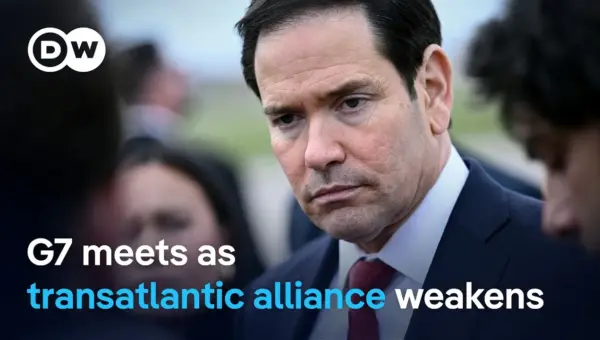
G7 Allies Clash Over Iran War Strategy, Urge Focus on Russia
G7 foreign ministers met in Paris, revealing deep divisions over the U.S. war with Iran. European allies urged the U.S. to pressure Russia, linking its actions to the conflict and fearing support for Ukraine will wane.
Iran Blocks China Ships, Exposing Beijing’s Weak Grip
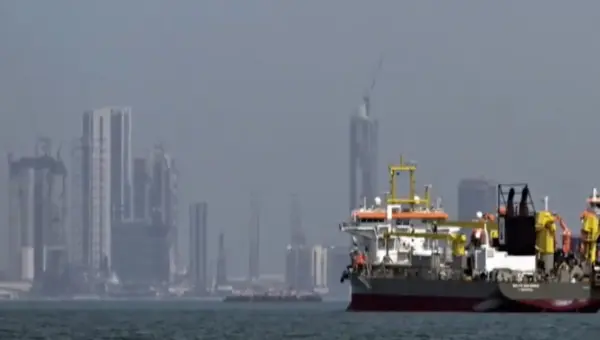
Iran's recent decision to block Chinese ships at the Strait of Hormuz is exposing the limits of Beijing's influence in the Middle East. This action is causing delays and cancellations for Chinese manufacturers, turning a perceived geopolitical win into an economic strain.
Trump’s “Walk Away” Tactic Signals Tougher Stance on China
Retired Air Force Brigadier General David Stillwell believes President Trump's strategy of being willing to walk away from negotiations puts pressure on China. This tactic, combined with US global actions and strengthened alliances, signals a more assertive American foreign policy.