Epstein Death Witness to Testify Before Congress
A prison guard on duty when Jeffrey Epstein died is set to testify before the House Oversight Committee. The testimony is expected to shed light on security protocols and potential lapses at the Metropolitan Correctional Center in August 2019.

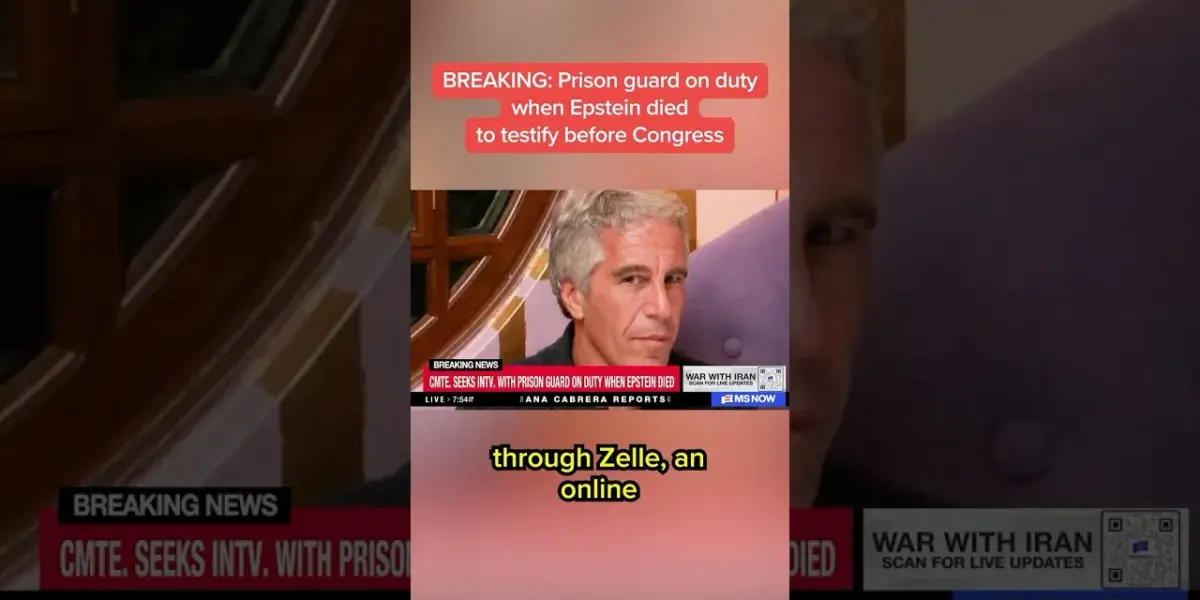
Epstein Death Witness Set to Testify Before Congress
A prison guard who was on duty the night financier Jeffrey Epstein died in a New York federal jail is scheduled to testify before the House Oversight Committee later this month. The development marks a significant step in the ongoing congressional inquiry into the circumstances surrounding Epstein’s death, which was officially ruled a suicide by hanging. The guard’s testimony is expected to shed light on the security protocols and potential lapses that occurred at the Metropolitan Correctional Center (MCC) on August 10, 2019, the day Epstein was found unresponsive in his cell.
Congressional Scrutiny Intensifies
The House Oversight Committee has been actively investigating the failures within the Bureau of Prisons (BOP) that may have contributed to Epstein’s death. The financier, who faced charges of sex trafficking of minors, was considered a high-profile inmate requiring close supervision. His death while in federal custody sparked widespread outrage and raised serious questions about the competence and accountability of the BOP. Committee members have previously expressed frustration with the lack of transparency and cooperation from the agency, making the forthcoming testimony from an individual directly involved in the events particularly crucial.
Guard’s Testimony: What to Expect
While specific details of the guard’s testimony have not been released, their presence on duty during the critical hours of Epstein’s death makes their account invaluable. Investigators and lawmakers will likely focus on several key areas:
- Security Protocols: Whether standard operating procedures were followed on the night of August 10, 2019.
- Surveillance and Monitoring: The effectiveness of the surveillance systems and the frequency of checks on Epstein’s cell.
- Staffing Levels: Whether adequate staffing was in place to ensure the safety of high-risk inmates.
- Potential Lapses: Any deviations from protocol, errors, or unusual circumstances that may have occurred.
- Actions Taken: The immediate response following the discovery of Epstein unresponsive.
The guard’s testimony could provide firsthand accounts of the atmosphere within the MCC, the actions of other staff members, and the overall security environment. It is anticipated that the committee will seek to understand why Epstein, who was on suicide watch, was not being adequately monitored and why two guards on duty that night were later charged with falsifying records, having allegedly slept and shopped online instead of checking on inmates.
Broader Implications for the Bureau of Prisons
Jeffrey Epstein’s death sent shockwaves through the justice system and exposed deep-seated issues within the Bureau of Prisons. The MCC, in particular, has faced intense scrutiny for its management and security failures. The upcoming testimony is not just about Epstein’s final hours but also about systemic problems within the BOP, which oversees more than 120 federal prisons and houses over 150,000 inmates. Lawmakers hope to use this testimony to push for reforms that will prevent similar tragedies and restore public trust in the correctional system.
“This testimony is a critical piece of the puzzle as we work to understand how a high-profile inmate like Jeffrey Epstein could die under federal care,” stated a source familiar with the committee’s investigation. “We need answers, and this guard was there.”
The incident has highlighted concerns about understaffing, inadequate training, and potential corruption within the BOP. The committee’s investigation aims to identify these weaknesses and advocate for legislative changes to improve oversight and accountability. The failures at the MCC, where Epstein was held, are seen as emblematic of broader challenges facing the agency nationwide.
Looking Ahead: Accountability and Reform
The testimony of the prison guard is expected to be a pivotal moment in the House Oversight Committee’s investigation. Following this testimony, the committee will likely seek to corroborate the guard’s account with other evidence and witness statements. The findings could lead to further hearings, recommendations for disciplinary action, or legislative proposals aimed at reforming the Bureau of Prisons. The public will be watching closely to see if this testimony brings the transparency and accountability that has been demanded since Epstein’s death in federal custody.
Source: Prison guard on duty when Epstein died to testify before Congress (YouTube)

Related Articles


Senate Funds DHS, Leaving House to Decide Border Fight
The U.S. Senate has agreed to fund most of the Department of Homeland Security, providing salaries for TSA and FEMA. However, funding for ICE and Border Patrol was left out. The House of Representatives now faces the decision, with disagreements over border reforms potentially causing further delays.

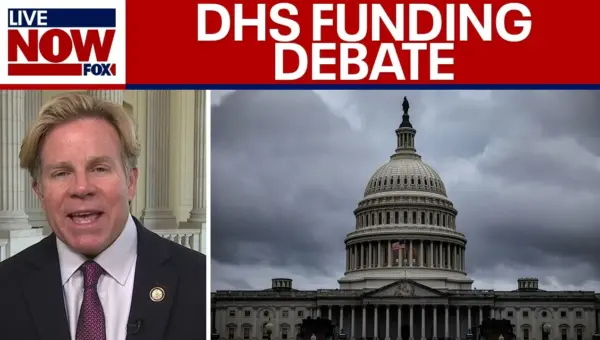
House Considers DHS Funding to End Shutdown Stalemate
The House is poised to vote on a Department of Homeland Security (DHS) funding bill passed by the Senate, aiming to end a 42-day government shutdown. The measure would fund essential personnel like TSA agents but excludes funding for ICE and imposes no new immigration limits. Congressman Mike Heridopoulos expressed urgency to resolve the "silly shutdown" and highlighted concerns about long-term damage to federal agencies.


TSA Lines Snag Amid Senate Funding Vote, Democrats Demand Reforms
The Senate has passed a partial funding bill for the Department of Homeland Security, sending it to the House. Democrats are pushing for an immediate vote to ensure TSA workers get paid, but key immigration reforms remain a major sticking point. Congressman James Walkinshaw stated he will not vote for ICE or CBP funding without reforms, calling the current situation "good governance? It isn't."