White House Gaslights Nation on Soaring Fuel Prices
The White House is accused of attempting to downplay soaring gas prices, urging the public to ignore economic reality. Critics argue this strategy, coupled with geopolitical actions, mirrors past crises and erodes public trust.

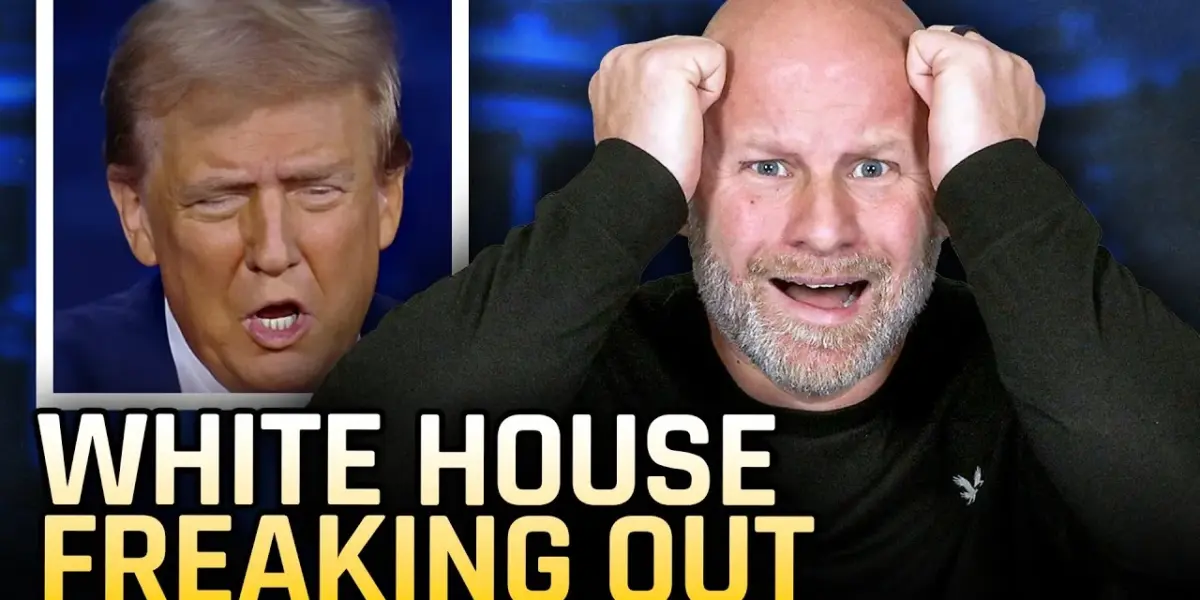
White House Gaslights Nation on Soaring Fuel Prices
In a move that echoes historical patterns of political communication during times of economic strain, the Trump administration is facing accusations of attempting to downplay and dismiss the reality of rapidly increasing gas prices. Critics argue that official statements are not only out of touch with the lived experiences of Americans but are actively encouraging a willful ignorance of the underlying causes and consequences of the current energy market turmoil. This strategy, some contend, is a desperate attempt to control public perception amidst a crisis largely of the administration’s own making.
The Administration’s Narrative vs. Economic Reality
The core of the controversy lies in statements made by administration officials, such as Caroline Levit, who have publicly assured the American people that the recent surge in oil and gas prices is merely a temporary inconvenience. Levit’s assertion that the current operations, referred to as “Operation Epic Fury,” will ultimately lead to lower gas prices, potentially even below pre-operation levels, has been met with widespread skepticism and outright dismissal by analysts and the public alike. The argument presented is that this claim is not only economically improbable but fundamentally misunderstands the dynamics of the oil market.
“Rest assured to the American people, the recent increase in oil and gas prices is temporary and this operation will result in lower gas prices in the long term. Once the national security objectives of Operation Epic Fury are fully achieved, Americans will see oil and gas prices drop rapidly, potentially even lower than prior to the start of the operation.” – Caroline Levit (as quoted in the transcript)
Critics like those in the transcript argue that gas prices were already at a floor dictated by the profit margins of oil companies. When the Trump administration opened federal lands for increased oil and gas exploitation, the industry reportedly did not ramp up production significantly because the market was already saturated. Pumping more oil would have led to lower prices, thus reducing profits. Therefore, the idea that prices can simply drop below this previously established floor, especially after a supply-disrupting event, is seen as an economic fantasy. Furthermore, the argument is made that Iran’s actions were not the primary driver of the current high prices, rendering the premise of the administration’s proposed solution flawed from the outset.
Historical Echoes of Energy Crises and Public Outrage
The current situation is not without historical precedent. The transcript draws a parallel to the early 2000s under the George W. Bush administration, during which gas prices also saw a dramatic increase. At that time, gas prices rose from around $1.90 per gallon to $4.50 per gallon within a few years. The public was told that these rising costs were a necessary consequence of post-9/11 security measures and military actions in Iraq. The narrative of national security and sacrifice was employed to justify the economic burden on citizens. However, the transcript suggests that the public has since come to view these justifications as disingenuous, leading to a greater skepticism this time around.
The comparison highlights a recurring theme in American political discourse: the use of geopolitical events or national security concerns to explain away economic hardships. The public, while initially receptive to narratives of sacrifice, eventually questions the veracity of these explanations when the economic pain persists or appears to serve other interests. The transcript implies that the public’s memory of past justifications, now perceived as “total BS” (bullshit), makes them less likely to accept similar explanations today.
The Role of Supply Shortages and Geopolitical Turmoil
A key element in the current crisis, according to the analysis presented, is the supply shortage exacerbated by turmoil in the Strait of Hormuz, which has been attributed to actions initiated by the Trump administration. Crude oil analysts have reportedly compared the current situation to the oil crisis of the 1970s, a period marked by significant economic disruption due to supply shocks. The administration’s role in creating or worsening this geopolitical instability is seen as the direct cause of the ensuing economic fallout. This contrasts sharply with the official narrative that seeks to portray the price increases as temporary and unrelated to administration policy.
Public Frustration Beyond Gas Prices
While rising gas prices are identified as a particularly potent trigger for public anger, the transcript notes that this is occurring against a backdrop of broader economic anxieties. Americans are reportedly frustrated with the rising costs of food, beef, and coffee, as well as other issues such as the “sacking of Venezuela,” the “Epstein files,” and tensions with Iran. However, the immediate and tangible impact of high gas prices on daily life makes it a uniquely galvanizing issue that consistently mobilizes public opinion, regardless of which party is in power.
Why This Matters
The divergence between the administration’s public statements and the perceived reality of the economic situation has significant implications. It raises questions about transparency, accountability, and the government’s role in managing public perception during times of crisis. If the public believes their leaders are deliberately misleading them about economic conditions, it can erode trust in institutions and create a fertile ground for political polarization and social unrest. The ability of an administration to effectively communicate about complex economic issues, especially those with geopolitical roots, is crucial for maintaining public confidence and navigating challenging times.
Trends, Implications, and Future Outlook
The current situation underscores a broader trend of increasing public skepticism towards official narratives, particularly in the digital age where alternative information sources are readily available. The administration’s strategy of attempting to “gaslight” the public – to make them doubt their own perceptions of reality – is a high-risk gamble. If the economic situation does not improve as promised, or if further evidence emerges to support the administration’s role in creating the crisis, the backlash could be severe. This could translate into significant electoral consequences and a lasting damage to the administration’s credibility.
Looking ahead, the future outlook depends on a complex interplay of geopolitical developments, global oil market dynamics, and the administration’s policy responses. However, the immediate challenge for the White House is to regain public trust. This will likely require a more transparent and fact-based approach to communication, acknowledging the realities of the situation rather than attempting to obscure them. The historical parallels suggest that attempts to control the narrative through denial or misdirection are ultimately unsustainable and can backfire spectacularly, leaving the public feeling betrayed and angry.
Source: White House Freaks Out And Tells People To Ignore Reality (YouTube)

Related Articles
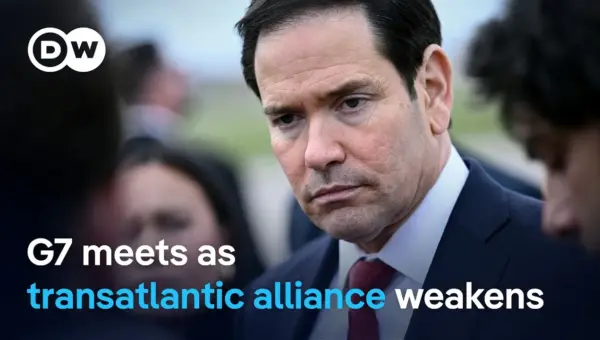
G7 Allies Clash Over Iran War Strategy, Urge Focus on Russia
G7 foreign ministers met in Paris, revealing deep divisions over the U.S. war with Iran. European allies urged the U.S. to pressure Russia, linking its actions to the conflict and fearing support for Ukraine will wane.
Iran Blocks China Ships, Exposing Beijing’s Weak Grip
Iran's recent decision to block Chinese ships at the Strait of Hormuz is exposing the limits of Beijing's influence in the Middle East. This action is causing delays and cancellations for Chinese manufacturers, turning a perceived geopolitical win into an economic strain.
Trump’s “Walk Away” Tactic Signals Tougher Stance on China
Retired Air Force Brigadier General David Stillwell believes President Trump's strategy of being willing to walk away from negotiations puts pressure on China. This tactic, combined with US global actions and strengthened alliances, signals a more assertive American foreign policy.