Russia’s Middle East Stand: Iran Alliance and Strait of Hormuz Threat
Former Deputy National Security Advisor KT McFarland assesses Russia's strategic alliance with Iran as its "last stand" in the Middle East. The conversation highlights the critical importance of the Strait of Hormuz and Iran's historical use of its closure as a threat, suggesting a potential U.S. focus on securing this vital waterway.

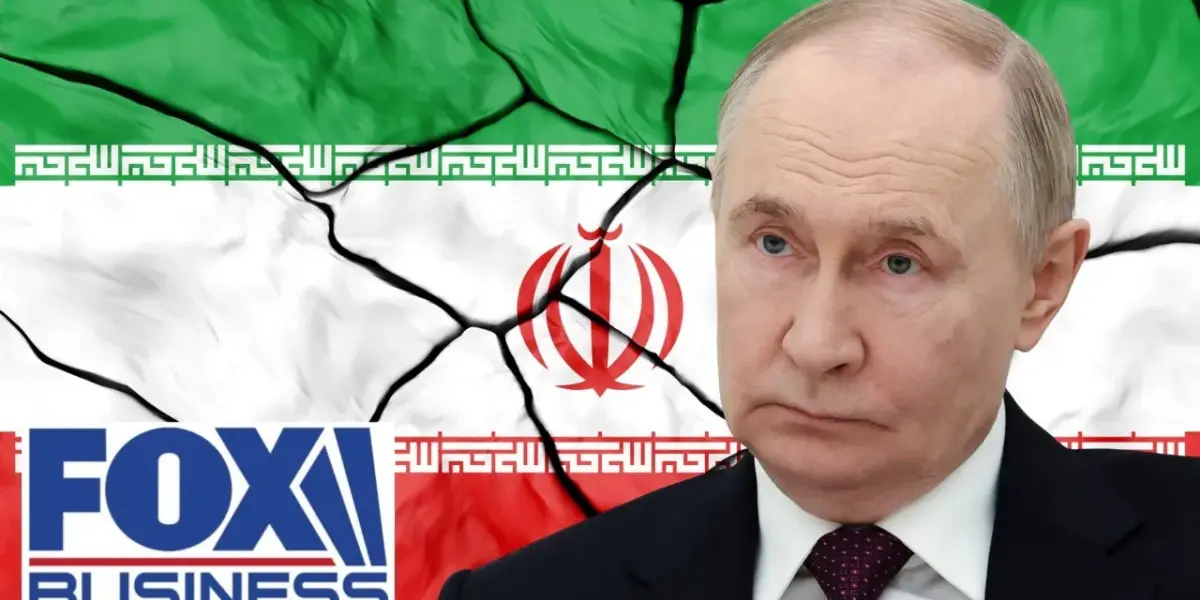
Russia’s Declining Influence and Strategic Alliance with Iran
In a stark assessment of Russia’s geopolitical standing, former Deputy National Security Advisor KT McFarland argues that Moscow’s strategic partnership with Iran represents its “last stand” in the Middle East. This alliance, McFarland suggests, is driven by mutual necessity: Russia requires Iranian drones for its military operations, while Iran seeks Russian support and access to vital shipping lanes, particularly the Strait of Hormuz, which it aims to leverage for influence over China.
“Russia, Iran — they need the drones that Iran has, and Russia needs the straits, giving it to China,” McFarland stated in a recent interview. “This is Russia’s last stand, it doesn’t have any more allies other than Iran.” She emphasized that while this partnership is significant, its practical impact on Russia’s broader strategic goals is currently limited, particularly as Iran is not directly involved militarily with Russian forces.
The Critical Role of the Strait of Hormuz
The conversation pivoted to the paramount importance of the Strait of Hormuz, a narrow waterway through which a significant portion of the world’s oil supply transits. McFarland unequivocally stated that the ongoing conflict cannot be resolved until oil flows freely through this critical chokepoint. “The war cannot end until the oil is flowing freely through the Straits of Hormuz? 100%,” she asserted.
Historically, Iran has utilized the threat of closing the Strait of Hormuz as a primary tool of leverage and blackmail. “Iran has always used the Strait of Hormuz and a blackmail threat of closing the Strait as its primary weapon,” McFarland explained, drawing parallels to actions during the Reagan administration. The regime’s strategy, she believes, is based on a grave miscalculation: the assumption that by inflicting significant economic pain on consumers in the United States and its European allies through disruptions in oil commerce, the leaders of these nations will be intimidated into capitulating to Iran’s demands.
Iran’s Miscalculation and U.S. Strategy
However, McFarland contends that Iran has “seriously miscalculated” this strategy. The potential for widespread disruption of oil flow from the Strait of Hormuz not only impacts global economies but also alienates Iran’s neighboring Gulf states, further isolating the regime. The United States, she indicated, possesses the capability to ensure the free flow of oil and is prepared to act.
McFarland highlighted the degradation of Iran’s military capabilities, stating that its navy, air force, missile launchers, and production capabilities have been significantly weakened. While command and control structures remain, they are “degraded significantly.” The focus of U.S. strategy, she posited, will inevitably turn to the Strait of Hormuz. “What’s left is the Strait of Hormuz and that’s where the U.S. will turn next. Not right now, not today, but next.”
Uncertainty Surrounding Iran’s Leadership
Adding another layer of complexity to the regional dynamics is the apparent uncertainty surrounding the health and whereabouts of Iran’s top leadership. Reports suggest that the new leader, Supreme Leader Ali Khamenei, has been injured and may be in hiding. McFarland noted the lack of verifiable proof of life, with no public appearances or confirmed sightings of the leader since the alleged incident.
“We’ve seen no proof of life of this new so-called president, the new Supreme Leader of Iran. We don’t know, there’s no picture. He hasn’t gone out in public,” McFarland observed. She speculated on the potential for a “most short-lived job” for the leader and questioned whether he is a target for assassination. The absence of any Iranian second-tier leader stepping forward to negotiate with the U.S. regarding the Strait of Hormuz or missile policy further fuels the speculation.
Future Implications and What to Watch Next
The strategic alliance between Russia and Iran, coupled with the unresolved tensions surrounding the Strait of Hormuz and the ambiguous state of Iran’s leadership, paints a complex picture of the Middle East’s future. McFarland’s analysis suggests that the U.S. is poised to make securing the Strait of Hormuz a key objective. The coming weeks and months will likely reveal whether Iran continues its disruptive tactics and how the international community, particularly the United States, responds to ensure the unimpeded flow of global energy supplies. The stability of Iran’s internal leadership will also be a critical factor to monitor as regional tensions persist.
Source: NO MORE ALLIES LEFT: This is Russia's LAST STAND in the Middle East, KT McFarland says (YouTube)

Related Articles


Iran Targets US With Cyberattacks, Escalating Digital Warfare
Iran is increasingly using cyberattacks to challenge the U.S., as seen in a recent hack of the FBI director's account. Experts say this is a strategic shift due to Iran's limitations in conventional warfare. The U.S. needs to strengthen its digital defenses, focusing on encryption and cloud computing, rather than solely relying on traditional security measures.


Iran Hacks FBI Chief, Exposing U.S. Cyber Vulnerabilities
A recent hack of FBI Director Kash Patel's personal email by an Iran-linked group highlights Iran's growing cyber threat to the U.S. Experts explain how simple security oversights are exploited, emphasizing the need for basic defenses like two-factor authentication to protect against propaganda and potential infrastructure attacks.
Ukraine Strikes Russian Oil Refinery, Eyes Iran Threat
Ukrainian forces struck a key Russian oil refinery, disrupting Moscow's war capabilities. Meanwhile, Finland's president urged continued U.S. support for Ukraine, as Kyiv shares its air defense expertise globally amid growing geopolitical complexities involving Iran and potential sanctions against Hungary.