Trump’s War Rhetoric Fuels Escalation, Stains Legacy
Donald Trump's recent remarks on the escalating Middle East conflict, including his reliance on 'feeling it in my bones' to end wars and his controversial comparisons of US and Russian actions, are raising serious concerns. Coupled with increased US casualties and his comments on immigration, these statements paint a picture of a foreign policy driven by instinct and personal alliances, with potentially devastating consequences.

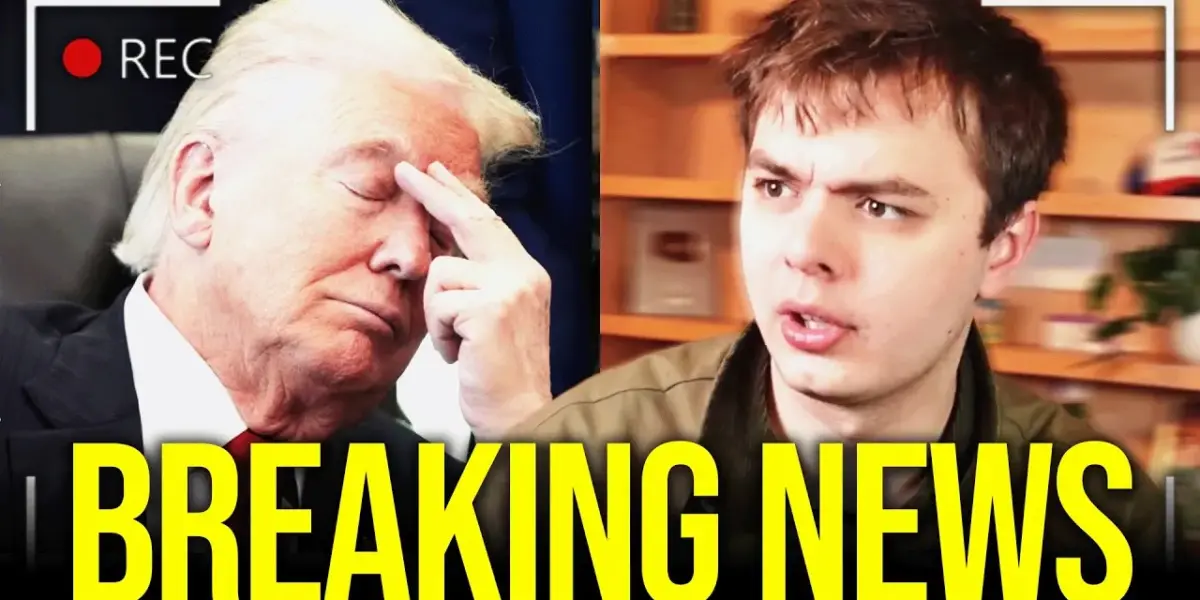
Trump’s War Rhetoric Fuels Escalation, Stains Legacy
Recent events in the Middle East have brought into sharp focus the rhetoric and decision-making of former President Donald Trump regarding international conflict. A tragic increase in US service member casualties, coupled with Trump’s own pronouncements on the ongoing hostilities, paints a concerning picture of a foreign policy guided by instinct rather than clear strategy, and one that appears heavily influenced by personal alliances.
Escalating Casualties and Unclear Objectives
The grim reality of escalating conflict is underscored by the recent deaths of six US service members aboard a refueling aircraft that crashed in Iraq. This incident tragically brings the total number of US service members killed in recent hostilities to 14, a figure that does not account for the significant civilian casualties within Iran, Lebanon, and surrounding regions. The Islamic Resistance of Iraq, a group aligned with Iran, has claimed responsibility for downing the aircraft, though evidence has yet to be fully substantiated. The lack of a clearly articulated strategic goal for this escalating conflict leaves many questioning the purpose behind the mounting human cost.
“Feeling it in My Bones”: A Policy of Instinct?
Donald Trump’s recent interview with Brian Kilme revealed a startling approach to the conclusion of this conflict. When pressed on when the war would end, Trump stated, “It ends when I feel it in my bones.” This reliance on personal instinct, rather than diplomatic or strategic benchmarks, has drawn significant criticism. The hypothetical scenario of a female leader or even President Biden making such a statement highlights the perceived double standard and the inherent risks of basing foreign policy on subjective feelings. This approach echoes past pronouncements from Trump, such as his long-held belief that windmills cause cancer, suggesting a pattern of decisions driven by personal conviction over empirical evidence.
The Putin-Iran Nexus: A Dangerous False Equivalence
Further compounding concerns is Trump’s response to the question of whether Vladimir Putin is aiding Iran. Trump’s suggestion that Russia might be helping Iran “a little bit” and that this is comparable to the US helping Ukraine, because “they do it and we do it,” has been labeled as a dangerous and false equivalency. Critics argue that this framing downplays the severity of Russian involvement in fueling regional chaos that directly harms US service members. The argument that US support for Ukraine, a nation defending itself against invasion, is equivalent to Russian support for Iran, a state actor actively antagonizing US interests and allies, is seen as a significant logical fallacy. This perspective risks normalizing aggression and undermining the distinct moral and legal standing of the United States on the international stage, particularly when contrasted with Russia’s documented human rights abuses and authoritarian practices.
Immigration Rhetoric and Racialized Policies
Beyond foreign policy, Trump’s remarks on immigration, particularly his comments on the “genetics of immigrants,” have reignited concerns about the racial undertones of his political platform. His assertions that some immigrants are “just bad” and that “something is wrong” with them, when coupled with the policies enacted during his administration, such as the removal of Temporary Protected Status for immigrants of color while allegedly favoring white immigrants from South Africa, and the microtargeting of Hispanic individuals for deportation, suggest a deeply racialized approach to immigration. This rhetoric, often amplified by figures like Stephen Miller, fuels a narrative that frames immigration through a lens of racial and ethnic exclusion.
Protecting Israel: A Primary Driver?
Trump’s assertion that “if we didn’t have those beautiful B2 bombers hit them so effectively… it could be that Israel would not be around today” is interpreted by some as a significant admission. This statement appears to confirm the long-held suspicion that the protection of Israel is a primary, if not the sole, driver of US involvement in the current conflict. The implication is that US taxpayer dollars and American lives are being put at risk to safeguard an ally, a mission that, while understandable to some, is presented as a profound drain on national resources and a source of disillusionment for citizens who see no direct benefit to their own lives.
Historical Context and Future Outlook
The current geopolitical tensions echo historical patterns of intervention and alliance in the Middle East. The desire to deter regional adversaries and protect key allies has long been a cornerstone of US foreign policy. However, the manner in which these objectives are pursued, and the rhetoric employed, can significantly shape outcomes and public perception. Trump’s approach, characterized by a blend of aggressive posturing, reliance on personal conviction, and a willingness to draw controversial equivalencies, stands in stark contrast to more traditional diplomatic strategies. This has led to a situation where, according to the analysis, the US finds itself entangled in a conflict with unclear objectives and escalating costs, potentially at the behest of an ally’s agenda.
Why This Matters
The statements made by Donald Trump carry significant weight, not only domestically but also on the international stage. His pronouncements influence public opinion, shape political discourse, and can have tangible impacts on foreign relations and the deployment of US military resources. The reliance on personal instinct for critical foreign policy decisions raises questions about accountability and strategic foresight. Furthermore, the invocation of racialized language in discussions about immigration and the drawing of problematic equivalencies between US actions and those of authoritarian regimes like Russia, risk eroding the United States’ standing and moral authority. The tragic loss of life, both American and civilian, underscores the urgent need for clarity, strategy, and responsible leadership in navigating complex international crises.
Implications and Trends
This situation highlights a growing trend of populist leaders leveraging strong, often emotional, rhetoric to justify foreign policy actions. The blurring lines between personal conviction and statecraft, as exemplified by Trump’s “feeling it in my bones” statement, could set a dangerous precedent. The potential for personal relationships with foreign leaders to supersede national strategic interests is another concerning implication. The discourse also reflects a deepening polarization within the US, with differing interpretations of global events and the nation’s role in them.
Future Outlook
The future trajectory of US foreign policy, particularly concerning the Middle East, remains uncertain. If leaders continue to prioritize instinct over evidence-based strategy and personal alliances over broader national interests, the risk of further escalation and unintended consequences will persist. The need for a robust, transparent, and ethically grounded foreign policy has never been more critical, especially in an era of complex global challenges and heightened geopolitical tensions. The events and statements discussed here serve as a stark reminder of the profound impact leadership rhetoric can have on peace, security, and human lives.
Rest in peace to the fallen service members and all civilians affected by this tragic conflict.
Source: BREAKING: Trump Reacts to Horrific News (YouTube)

Related Articles
G7 Allies Clash Over Iran War Strategy, Urge Focus on Russia
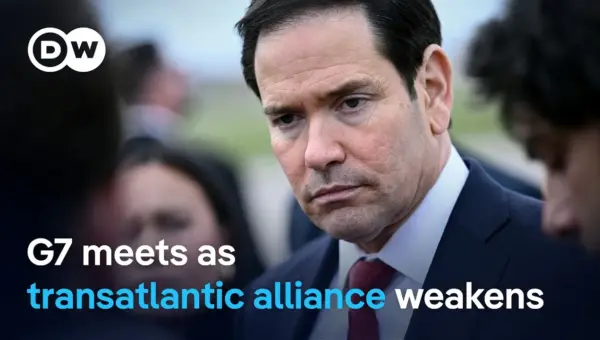
G7 foreign ministers met in Paris, revealing deep divisions over the U.S. war with Iran. European allies urged the U.S. to pressure Russia, linking its actions to the conflict and fearing support for Ukraine will wane.


Iran Blocks China Ships, Exposing Beijing’s Weak Grip
Iran's recent decision to block Chinese ships at the Strait of Hormuz is exposing the limits of Beijing's influence in the Middle East. This action is causing delays and cancellations for Chinese manufacturers, turning a perceived geopolitical win into an economic strain.
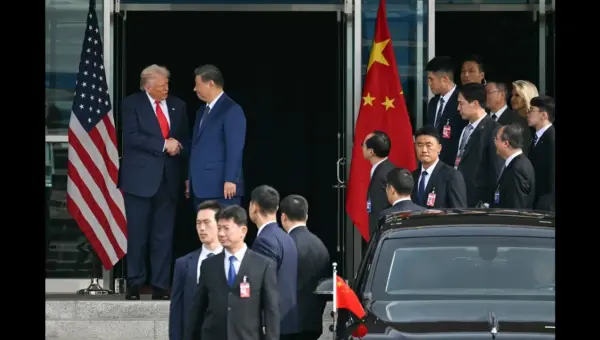
Trump’s “Walk Away” Tactic Signals Tougher Stance on China
Retired Air Force Brigadier General David Stillwell believes President Trump's strategy of being willing to walk away from negotiations puts pressure on China. This tactic, combined with US global actions and strengthened alliances, signals a more assertive American foreign policy.