China’s Oil Jitters: Is the Iran Conflict Triggering a Domestic Crisis?
Panic buying at Chinese gas stations, fueled by escalating tensions in the Middle East and Iran's threats to the Strait of Hormuz, highlights China's critical energy vulnerabilities. This situation is compounded by complex geopolitical ties, US trade probes, and ongoing regional friction.

China’s Oil Jitters: Is the Iran Conflict Triggering a Domestic Crisis?
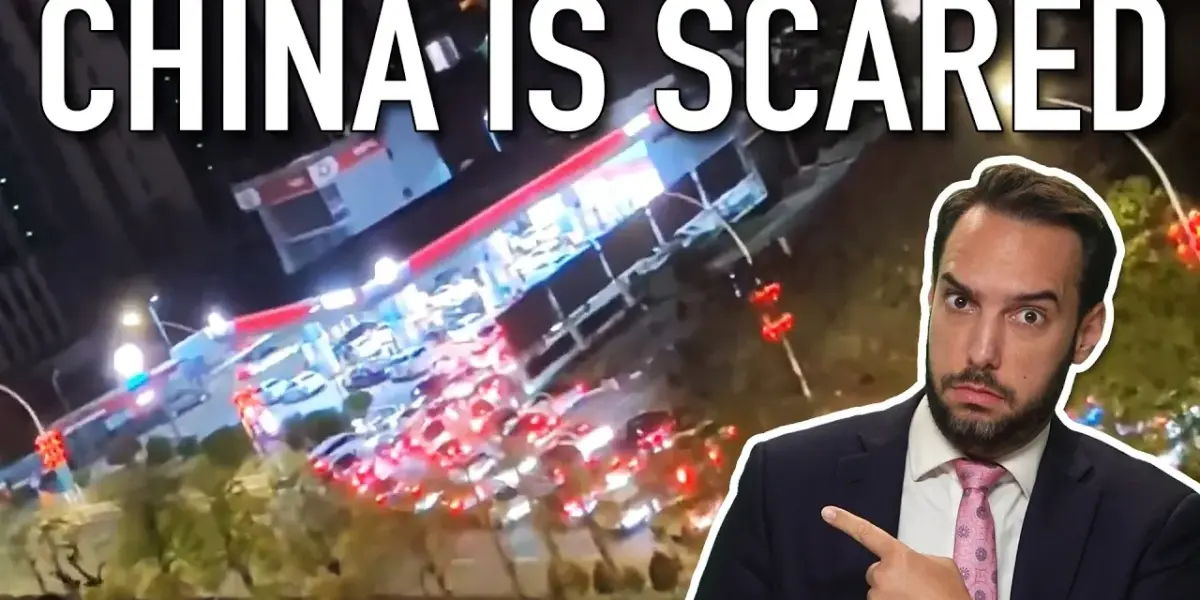
The delicate balance of global energy markets is once again being tested, and this time, the tremors are being felt all the way in Beijing. Reports are emerging of panic buying at Chinese gas stations, a phenomenon eerily reminiscent of past energy shocks. While the immediate trigger appears to be the escalating conflict in the Middle East, particularly Iran’s threats to disrupt shipping lanes, the situation highlights deeper vulnerabilities within China’s energy security strategy and its complex geopolitical entanglements.
The Strait of Hormuz: A Chokepoint Under Siege
At the heart of the current concern is the Strait of Hormuz, a vital maritime passage through which a significant portion of the world’s oil supply transits. Iran, facing international pressure and potential military action, has repeatedly threatened to close the strait, a move that would undoubtedly send oil prices soaring and disrupt global trade. While conflicting reports exist regarding the extent of Iran’s actions, including the laying of mines, the mere threat has created palpable anxiety. This anxiety is now manifesting in China, a nation heavily reliant on imported oil, as evidenced by the observed queues at domestic fuel stations.
China’s Strategic Dependence and Geopolitical Ties
China’s demand for oil is colossal, and its energy security is a paramount concern for the Chinese Communist Party (CCP). The nation has been actively seeking to diversify its energy sources and secure stable supply chains. However, its ties with countries like Iran, which have historically provided significant oil shipments, now present a double-edged sword. The potential disruption of Iranian oil, especially after China’s earlier loss of Venezuelan oil supplies, leaves a significant gap. Furthermore, unconfirmed reports suggest China may be supplying Iran with drone parts and other dual-use materials, potentially including missile components. This alleged support, if true, not only complicates China’s position but also risks drawing it further into the regional conflict and inviting retaliatory measures from international actors, such as the United States.
The US Response and Trump’s Diplomatic Gambit
The United States, a key player in the Middle East, has been actively engaged in deterring Iran’s aggressive posturing. Reports indicate US forces have targeted Iranian mine-laying vessels, signaling a firm stance against any attempts to close the Strait of Hormuz. Notably, former President Donald Trump has issued strong warnings to Iran, even framing potential retaliatory actions as a “gift to China,” a provocative statement that underscores the interconnectedness of these geopolitical events. The looming state visit of Donald Trump to China, despite the escalating tensions in the Middle East and ongoing trade disputes, adds another layer of complexity. The US has also launched a new trade probe into China’s manufacturing practices, including overproduction and dumping, which could lead to further tariffs. This probe, occurring just weeks before the summit, suggests a strategy of maximizing leverage in upcoming negotiations with Xi Jinping.
Beyond Oil: Other China News Headlines
While the oil crisis garners significant attention, other developments also paint a picture of China’s assertive and often controversial global role. In a disturbing display of what critics are calling racism, the Global Times, a state-affiliated media outlet, reportedly attacked a Japanese elected official of Uyghur descent. This incident, condemned by international bodies and the Japanese government, highlights the CCP’s increasingly nationalistic rhetoric and its treatment of ethnic minorities, particularly the Uyghurs, who face severe human rights abuses in Xinjiang.
Meanwhile, tensions around Taiwan remain high. Taiwan has conducted a successful dive test of its first domestically built submarine, the ‘Haikun’ (Narwhal), a significant step in its defense capabilities. This development comes as the People’s Liberation Army (PLA) continues its gray zone warfare tactics, with Chinese warplanes frequently entering Taiwan’s air defense identification zone. The brief cessation of these incursions, followed by their resumption, underscores the ongoing military posturing. The US Navy’s passage of a spy plane through the Taiwan Strait serves as a clear signal of its commitment to regional stability and freedom of navigation.
Why This Matters
The convergence of these events—the potential oil crisis stemming from the Iran conflict, China’s strategic energy needs, its complex relationship with Iran, and its assertive actions in the Indo-Pacific—presents a multifaceted challenge to global stability. The panic buying in China is not merely a domestic inconvenience; it signals potential price hikes that could impact global markets and further strain international relations. China’s role as a major energy consumer and a geopolitical player means its actions, or reactions, have far-reaching consequences. The alleged support for Iran, coupled with its military activities around Taiwan and its controversial rhetoric, paints a picture of a nation navigating a complex and often confrontational path on the world stage. The upcoming Trump-Xi meeting, set against this backdrop of economic and geopolitical pressures, will be a critical indicator of future global dynamics.
Implications, Trends, and Future Outlook
The current situation underscores a growing trend of interconnected global risks. Energy security, geopolitical alliances, trade disputes, and human rights concerns are no longer isolated issues but are intricately linked. China’s reliance on imported oil makes it particularly vulnerable to disruptions in key maritime chokepoints. Its strategic decisions regarding energy sourcing and its geopolitical partnerships will continue to shape global energy markets and international relations. The escalation of tensions in the Middle East, combined with existing friction points like Taiwan and trade imbalances, suggests a period of heightened uncertainty. The future outlook will likely involve continued strategic maneuvering by major powers, potential volatility in energy prices, and ongoing scrutiny of China’s global ambitions and its adherence to international norms.
Historical Context and Background
The current anxieties echo historical energy crises, such as the 1973 oil crisis, where supply disruptions led to widespread economic impact and significant geopolitical shifts. China’s rapid economic growth over the past few decades has been fueled by a massive increase in energy consumption, making it the world’s largest importer of oil. This dependence has driven its foreign policy, leading to strategic partnerships and investments in energy-rich regions. The Strait of Hormuz has long been a flashpoint, with regional powers and international navies vying for influence and ensuring the free flow of oil. Similarly, China’s assertive stance in the South China Sea and around Taiwan is part of a broader, long-term strategy to assert its regional dominance and challenge existing international order. The CCP’s use of nationalist rhetoric and its handling of ethnic minorities, such as the Uyghurs, also has deep historical roots in China’s internal politics and its desire for national unity and control.
“The gas lines are just the beginning. There have also been unconfirmed reports that the Chinese Communist Party is shipping drone parts and other dual use items to Iran and possibly even missile materials.”
This statement from China Uncensored, while unconfirmed, points to the potential for deeper Chinese involvement in the Middle East conflict, beyond mere energy imports. If such support is indeed occurring, it significantly raises the stakes for all parties involved and could draw China into direct confrontation.
Source: China Is Panic Buying Oil as the Iran War Escalates (YouTube)

Related Articles
China Fights Back: Tariffs Loom Ahead of Trump Visit
China is retaliating against US trade investigations that could lead to higher tariffs. This escalating trade tension occurs just before a planned visit by President Trump. The dispute involves accusations of unfair practices and impacts global supply chains.


Israelis Forge Resilience Amidst Constant Bomb Shelter Drills
Life in Israel is a blend of resilience and constant vigilance, with many families adapting to frequent bomb shelter drills and even sleeping in makeshift shelters. Despite ongoing missile attacks, Israelis strive to maintain normalcy, though businesses face disruption and emotional fatigue is a growing concern.


Israel Escalates Iran Strikes, Warns of Wider War
Israel has launched significant strikes inside Iran following continued missile fire, warning of further escalation. The conflict risks wider regional instability and economic disruption, especially concerning the Strait of Hormuz.