Iran’s New Leader Reportedly ‘Wounded and Disfigured,’ Pentagon Claims
Pentagon claims Iran's new Supreme Leader, Mojtaba Khamenei, is reportedly 'wounded and likely disfigured.' The assertion raises significant questions about the stability of Iran's leadership following the recent succession.

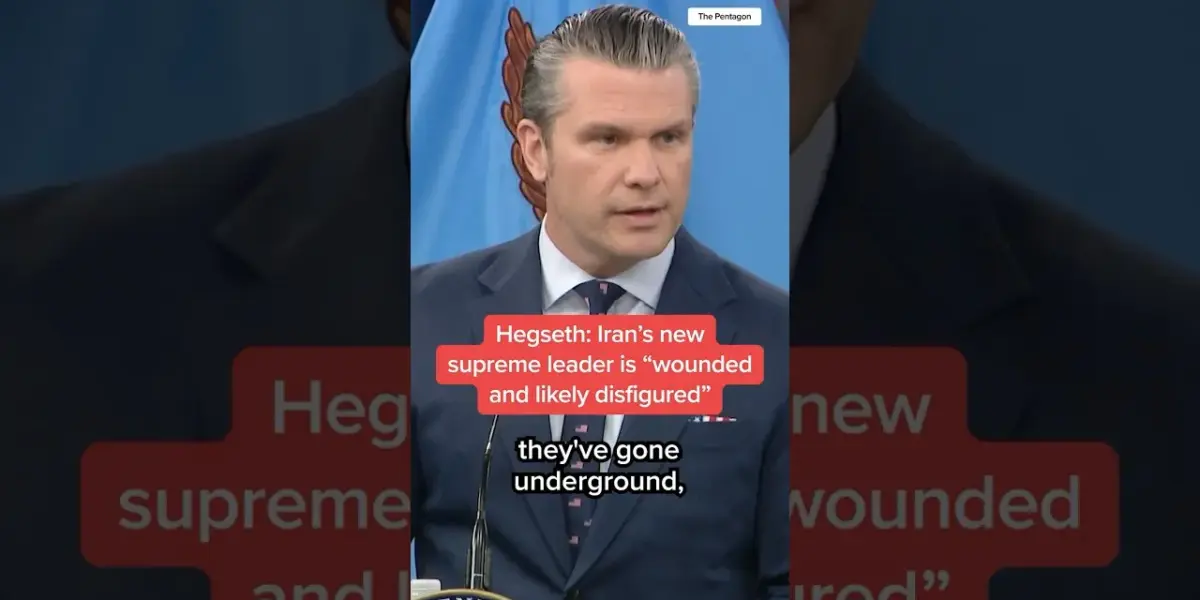
Pentagon Alleges New Iranian Leader Suffered Severe Injuries
In a stunning revelation during a press briefing at the Pentagon, Defense Secretary Pete Hegseth has stated that Iran’s newly appointed Supreme Leader, Mojtaba Khamenei, is reportedly “wounded and likely disfigured.” The comments, made during a routine press update, have sent ripples through international diplomatic and intelligence circles, raising significant questions about the stability and leadership within the Islamic Republic.
Context of the Succession and Alleged Injuries
The alleged condition of Mojtaba Khamenei comes at a critical juncture for Iran. Following the death of his father, Ayatollah Ali Khamenei, in August 2024, Mojtaba was swiftly elevated to the position of Supreme Leader. This succession, while anticipated by some analysts, has been shrouded in a degree of opacity, with official Iranian state media offering limited details regarding the circumstances of Ayatollah Khamenei’s passing and the immediate transition of power. The Pentagon’s assertion of Mojtaba Khamenei’s severe injuries adds a new layer of complexity and concern to this already sensitive situation.
While the exact nature and cause of the alleged wounds remain unspecified by the Pentagon, the description of being “wounded and likely disfigured” suggests a potentially catastrophic event. Such injuries could have profound implications for Mojtaba Khamenei’s ability to govern effectively and project the image of strength and authority expected of Iran’s highest office. The Supreme Leader is not only the religious and political figurehead of Iran but also the commander-in-chief of its armed forces, making any perceived weakness a matter of national and international security.
Geopolitical Ramifications and Speculation
The implications of this reported physical state for Iran’s domestic politics and its foreign policy are vast. For decades, Iran has been a significant player in Middle Eastern geopolitics, often at odds with Western powers and regional rivals. The leadership transition was already being closely monitored for potential shifts in policy, particularly concerning its nuclear program, support for regional proxies, and its relationship with countries like Israel and Saudi Arabia.
If Mojtaba Khamenei is indeed severely injured, it could create a power vacuum or lead to internal factions vying for influence. This instability could manifest in various ways, from a more hardline or unpredictable foreign policy as a means to consolidate power domestically, to a potential weakening of the regime’s grip, which could embolden internal dissent or regional adversaries. The international community, particularly the United States, will be watching closely for any signs of a shift in Iran’s strategic calculus.
Intelligence and Verification Challenges
It is important to note that the Pentagon’s statement is an assertion, and independent verification of Mojtaba Khamenei’s condition is challenging. Iran maintains a tight control over information, and state-controlled media often presents a carefully curated narrative. Access to reliable, unvarnished information from within the country is difficult, making assessments based on external intelligence crucial but also subject to interpretation and potential disinformation.
The timing of the Pentagon’s announcement is also noteworthy. Defense Secretary Hegseth’s remarks were made during a press briefing, suggesting a deliberate communication strategy. Whether this is intended to signal a specific message to Tehran, to allies, or to the broader international public remains a subject of speculation. Such public pronouncements on the health of a foreign leader, especially one in such a critical position, are rare and typically carry significant weight.
Looking Ahead: What to Watch For
The coming weeks and months will be crucial for understanding the true state of Iran’s leadership and its subsequent actions. The international community will be looking for any public appearances by Mojtaba Khamenei, official statements from Tehran regarding his health, and any observable shifts in Iran’s domestic policies or its engagement on the global stage. The stability of the region, and indeed global energy markets, could hinge on how this situation unfolds. Any indication of internal power struggles or a departure from established policy lines will be closely scrutinized by intelligence agencies and diplomatic corps worldwide.
Source: Hegseth: Iran's new supreme leader is "wounded and likely disfigured" (YouTube)

Related Articles
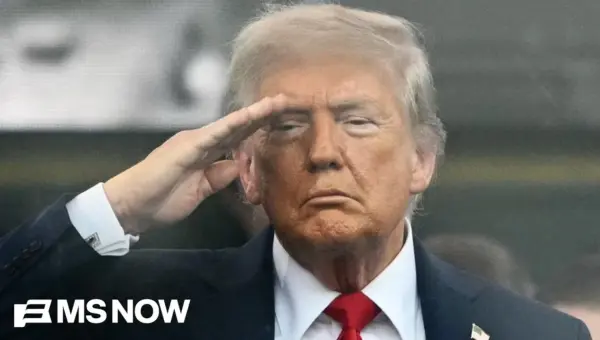
Pentagon Chief Blocks Black, Female Officers’ Promotions
Pentagon chief Pete Hegseth is reportedly blocking the promotions of four Army officers, two Black and two women, to one-star general. This decision follows reports of alleged discriminatory remarks made by a top aide to Secretary Hegseth regarding President Trump's comfort standing with Black female officers.

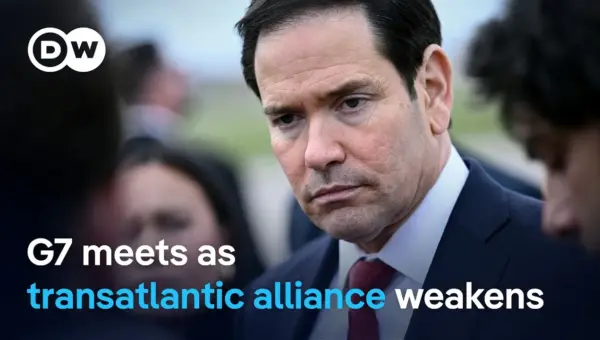
G7 Allies Clash Over Iran War Strategy, Urge Focus on Russia
G7 foreign ministers met in Paris, revealing deep divisions over the U.S. war with Iran. European allies urged the U.S. to pressure Russia, linking its actions to the conflict and fearing support for Ukraine will wane.
Iran Blocks China Ships, Exposing Beijing’s Weak Grip
Iran's recent decision to block Chinese ships at the Strait of Hormuz is exposing the limits of Beijing's influence in the Middle East. This action is causing delays and cancellations for Chinese manufacturers, turning a perceived geopolitical win into an economic strain.