Germany’s Economy Under Fire: Can Scholz Navigate Crises?
Germany's economy is facing significant pressure from volatile energy prices and geopolitical instability, while the ruling coalition grapples with recent regional election setbacks. The Social Democrats, in particular, are struggling to regain voter confidence amidst calls for urgent economic reforms.

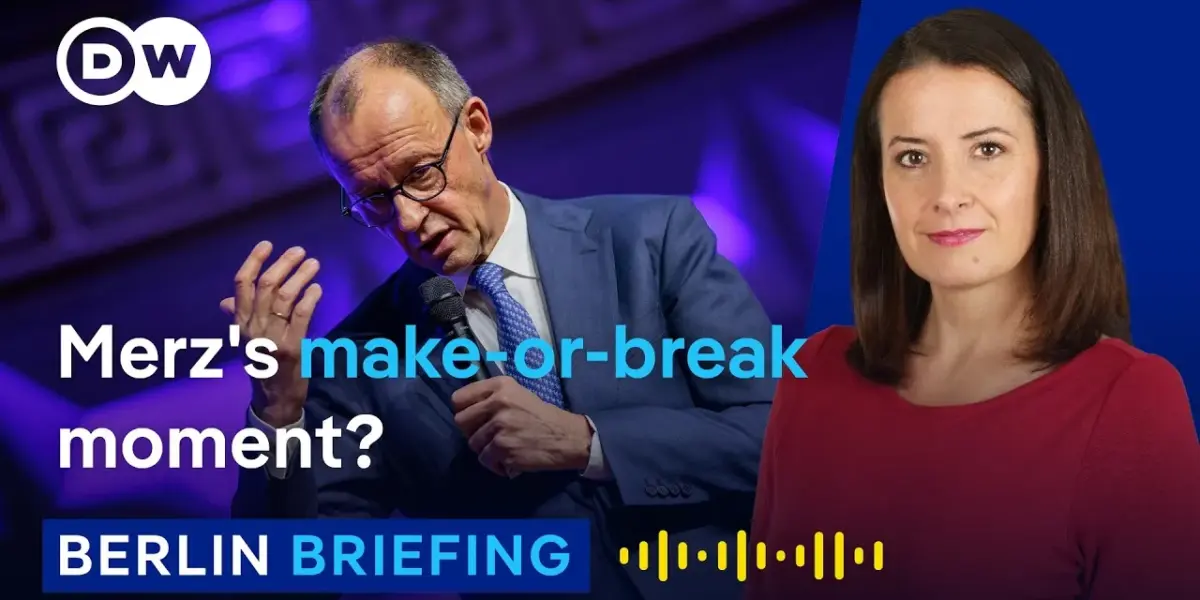
German Economy Faces Mounting Pressure Amidst Global Crises
Germany’s economy is grappling with significant challenges, exacerbated by volatile energy prices, the ongoing conflict in the Middle East, and a series of recent regional election setbacks. The federal government, led by Chancellor Olaf Scholz, faces mounting pressure to deliver on economic promises and navigate a complex geopolitical landscape that is increasingly impacting domestic stability and business confidence.
Energy Price Volatility Fuels Public Outrage
Recent spikes in fuel prices at the pump have ignited public anger across Germany. The Federal Antitrust Authority reported up to 50 price changes in a single day, largely attributed to escalating tensions between Israel, the United States, and Iran. This surge in energy costs has hit an already weakened German economy, leading to widespread accusations of price gouging by oil companies. In response to public outcry, Economy Minister Robert Habeck announced plans to limit petrol stations to one price change per day, a measure aimed at alleviating immediate consumer concerns.
“Prices at the pump have been going haywire in Germany. Up to 50 changes in a single day, according to the Federal Antitrust Authority.”
However, the price at the pump is merely a symptom of deeper economic vulnerabilities. Experts estimate that the ongoing crisis and subsequent price hikes could cost the German economy up to 0.2% of its GDP. This economic strain lands heavily on Chancellor Scholz’s coalition, which has struggled to meet its economic growth targets nearly a year into its term. Businesses are reporting a significant decline in orders, with a 10% drop in potential exports, signaling a potential failure to re-energize the economy as promised.
Regional Election Setbacks Dent Social Democrats’ Hopes
The recent regional elections, particularly in Baden-Württemberg, have delivered a stark warning to the Social Democratic Party (SPD), a key partner in the national coalition. The SPD secured a mere 5.5% of the vote in Baden-Württemberg, a result described as disastrous and a wake-up call for the party. This performance, a stark contrast to their historical federal election results often exceeding 30%, narrowly avoided the party falling out of the regional parliament altogether.
The core issue, according to analysts, is the SPD’s perceived lack of a clear profile and an inability to connect with its traditional voter base. Voters who once reliably supported the SPD appear to be drifting away, seeking clearer alternatives. This identity crisis is compounded by the challenge of sharpening their political message while being part of a national coalition government with the conservative CDU/CSU.
Greens Capitalize on Shifting Voter Allegations
In Baden-Württemberg, the Green Party emerged as a significant beneficiary of the SPD’s struggles. A substantial portion of former SPD voters appear to have shifted their allegiance to the Greens. This phenomenon is particularly noteworthy in Baden-Württemberg, where the Green Party has adopted a more pragmatic, almost conservative stance, focusing on balancing economic strength with environmental protection and job security, especially within the state’s dominant car industry.
The success of the Green Party’s top candidate, Cem Özdemir, was instrumental. Özdemir, a charismatic figure with a working-class background and Turkish roots, ran a campaign that emphasized personal appeal over party affiliation. Many voters, even those not traditionally Green supporters, expressed confidence in his leadership and his ability to address economic concerns. This personal endorsement strategy, while successful in this instance, highlights a broader trend of personality-driven politics potentially overshadowing party platforms.
“I haven’t forgotten where I come from. I come from a working-class family. I come from so-called guest workers. I’m the child of guest workers. So I see this also as an obligation to help every child uh to develop its full potential.” – Cem Özdemir
The “Firewall” Against the Far-Right: A Growing Challenge
The rise of the far-right Alternative for Germany (AfD) party continues to cast a shadow over the German political landscape. While the AfD secured a notable 18.5% in Baden-Württemberg, the established parties (CDU and Greens) held enough combined votes to form a government, thus maintaining the so-called “firewall” against the AfD. However, upcoming elections in former East German states, such as Saxony-Anhalt, present a more significant challenge, with the AfD potentially gaining enough support to govern independently.
The “firewall” policy, a commitment by major parties to refuse coalition or cooperation with the AfD, is a cornerstone of German post-war political consensus. This stance is rooted in the AfD’s classification by some security services as anti-democratic and extremist. However, the increasing electoral strength of the AfD raises questions about the long-term viability of this firewall, particularly if it leads to political fragmentation and unstable minority governments.
Within the conservative CDU party, there is a palpable fear that the AfD’s electoral success, especially in states like Saxony-Anhalt, could force difficult decisions. Some within the party privately debate whether maintaining an absolute firewall limits their chances of forming right-wing governments, while others fear that any cooperation, even indirect, could tear the CDU apart and fulfill the AfD’s stated aim of dismantling established political structures.
Economic Reforms: A Race Against Time
Beyond the political maneuvering and election cycles, the urgent need for economic reforms remains a critical issue. German businesses are calling for decisive action to boost competitiveness, streamline bureaucracy, and attract investment. Challenges include complex regulations, lengthy approval processes, high energy prices, and an expensive social security system. Despite these hurdles, Germany’s robust infrastructure, rule of law, and commitment to a functioning liberal democracy remain significant advantages for potential investors.
The current government’s promise of swift action and structural reforms is facing repeated delays due to a series of crises, from the war in Ukraine to the current geopolitical instability in the Middle East. The need for skilled workers is also a pressing concern, with economists warning that the German economy’s future is jeopardized without a pragmatic approach to migration and workforce development.
Looking Ahead: A Bumpy Road for Scholz’s Coalition
The coming months will be crucial for Chancellor Scholz’s government. The upcoming state elections, coupled with persistent economic headwinds and the ongoing geopolitical uncertainties, will test the coalition’s resilience. The Social Democrats, in particular, must demonstrate their ability to deliver on promises and regain voter trust. The government’s capacity to enact meaningful economic reforms, address the energy crisis, and maintain political stability will be closely scrutinized as Germany navigates a complex and challenging period.
Source: Under pressure: Can Merz steer Germany through 2026? | Berlin Briefing Podcast (YouTube)

Related Articles
Markets Tumble Amid Iran Tensions and Shutdown Gridlock
Wall Street experienced a significant slide today, with the Dow and Nasdaq entering correction territory, driven by escalating tensions with Iran and market uncertainty. Meanwhile, a government shutdown continues to cause chaos at airports nationwide, leaving thousands of workers unpaid and travelers facing long delays. The global energy supply is also under pressure, impacting prices and availability worldwide.

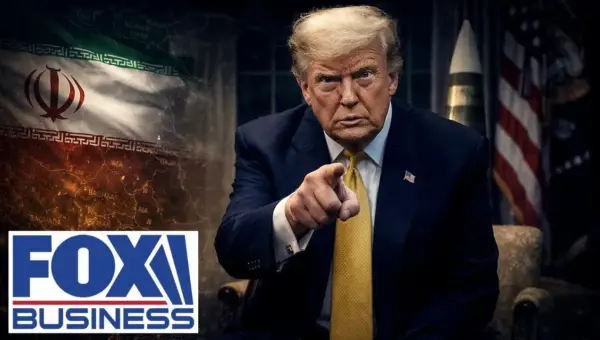
Iran Talks Gain 10 Days, But Markets Remain Skeptical
Iran has secured a 10-day extension for negotiations, but financial markets remain unconvinced, showing little reaction to the news. Rising energy and borrowing costs, coupled with geopolitical tensions, continue to pressure global markets and consumer spending.
Iran Tensions Rise as Trump Delays Strike Threat
President Trump has extended a deadline for potential strikes on Iran's energy facilities, citing good negotiations. Meanwhile, rising oil prices and market drops underscore global economic concerns. Domestically, a dispute over TSA worker pay adds another layer of complexity.