Pentagon Chief’s War Rhetoric Stuns With Contradictions and Media Threats
Pentagon chief Pete Hegseth's recent remarks reveal jarring contradictions between escalating military actions and claims of de-escalation. His attacks on the press and alarming suggestions about media consolidation raise serious questions about transparency and accountability in wartime.

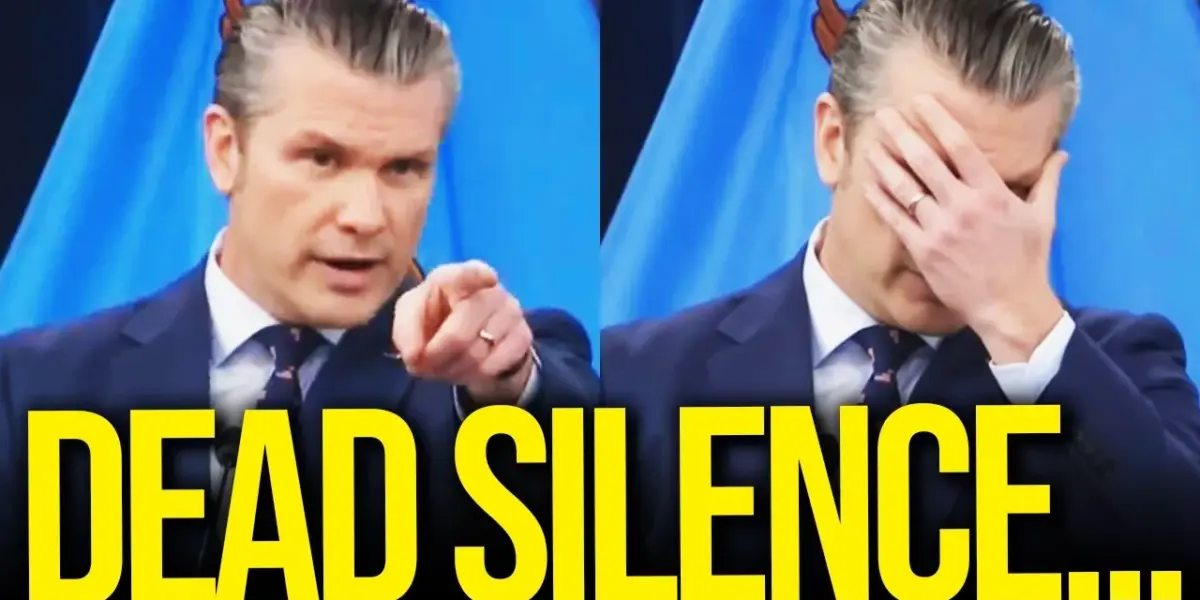
Pentagon’s Conflicting Narratives and Media Control Signals Raise Alarms
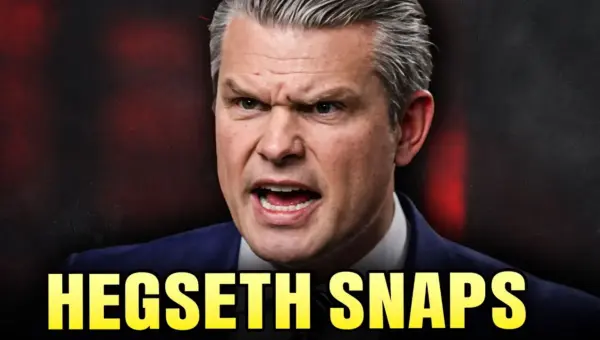
In a recent public address, Secretary of Defense Pete Hegseth delivered a speech that has drawn significant scrutiny for its internal contradictions and alarming remarks regarding the press. Amidst an ongoing conflict with Iran, Hegseth’s statements have been characterized by a stark disconnect between his pronouncements of de-escalation and the reality of escalating military actions. This analysis delves into the key points of his address, examining the implications of his rhetoric on public trust, media independence, and the very nature of modern warfare.
The Paradox of ‘Peace Through Strength’ in Escalating Conflict
Hegseth’s address began with a declaration of intent, stating, “Today will be the highest volume of strikes that America has put over the skies of Iran and Tehran yet.” This statement, delivered on day 13 of the conflict, immediately clashes with the notion that the administration seeks to avoid war or that the current situation is distinct from previous conflicts. The speaker in the transcript highlights this as a fundamental contradiction, pointing out that while Hegseth claims not to want war and positions himself as a proponent of “peace through strength,” the actions described suggest a clear escalation. The concept of “mission creep,” where the scope of a military operation expands beyond its original objectives, is raised as a significant concern, echoing past conflicts in the Middle East that have led to prolonged engagements with unclear end goals and substantial financial costs.
Attacking the Messenger: The Press Under Fire
A particularly striking element of Hegseth’s speech was his direct assault on the media. He labeled press headlines such as “War widening” as “fake news,” offering an alternative headline: “Iran shrinking, going underground.” This juxtaposition, occurring mere moments after detailing the “highest volume of strikes,” creates a palpable sense of cognitive dissonance. The transcript’s author argues that this is a clear attempt to manipulate public perception, particularly as the Strait of Hormuz remains closed and global oil prices surge – indicators of an expanding conflict, not a shrinking one. The author notes that this combative stance towards the press is reminiscent of past administrations, despite Hegseth’s claims to the contrary.
The Troubling Invocation of David Ellison
The most alarming statement from Hegseth, as highlighted in the transcript, was his explicit desire for media magnate David Ellison to take over CNN. “The sooner David Ellison takes over that network, the better,” he stated, implying that Ellison’s ownership would lead to a more favorable portrayal of the Pentagon’s actions. This remark comes in the context of a reported push by Ellison and his father, Larry Ellison, to consolidate significant media holdings, including TikTok, Paramount, and potentially Warner Bros. Discovery, which owns CNN. The implication is that a media landscape dominated by such entities might be less inclined to ask critical questions of the government, especially regarding ongoing military operations. The transcript’s author views this as a direct threat to journalistic independence and a desire to silence critical reporting on a war that is causing casualties.
“The sooner David Ellison takes over that network, the better.” – Pete Hegseth
Contradictions in Objectives and Information
Further compounding the inconsistencies, Hegseth’s claims about Iran’s state of desperation are challenged by reports of ongoing strikes and the closure of the Strait of Hormuz, which significantly impacts global energy markets. The transcript points out that Iran, despite its limited conventional military capabilities, is still inflicting damage. Hegseth’s portrayal of the Iranian leadership as “cowering” and “underground like rats” is contrasted with visual evidence of their public appearances, albeit with heightened security. The author questions the source and veracity of such claims, suggesting a desperate attempt to project an image of success.
Historical Echoes and Public Skepticism
The analysis draws parallels between Hegseth’s rhetoric and the justifications used for past military interventions, particularly those under George W. Bush and Barack Obama, which often involved “expansive nebulous mission sets.” Hegseth’s assertion that the current administration is taking an “opposite approach” by defining clear objectives is met with skepticism, especially given the lack of clarity on the war’s end goal and the administration’s shifting narratives. The instance of conflicting statements from Trump administration officials regarding an “imminent threat” from Iran, followed by a tweet from Caroline Levit suggesting otherwise, further erodes trust.
Opacity on Casualties and Strike Accountability
The refusal to provide clear answers regarding American casualties, with Hegseth vaguely referring to “return to duty” and “minor injuries,” adds another layer of concern. When pressed about a strike on a girls’ school, Hegseth deferred, stating that an investigation was ongoing and that “the truth matters.” However, this stance is undermined by President Trump’s earlier definitive statement that the U.S. was not responsible, a claim he later admitted he didn’t have full information on. This creates a situation where official statements appear to be dictated by political expediency rather than factual accuracy, leaving the public uncertain about the true costs and responsibilities of the conflict.
Why This Matters
The contradictions and combative rhetoric employed by Secretary Hegseth are not merely rhetorical flourishes; they have significant implications for democratic accountability and public trust. When the chief defense official appears to be simultaneously escalating military action while denying its expansion, and simultaneously attacking the press while expressing a desire for media consolidation, it signals a concerning trend towards a less transparent and more controlled information environment. The invocation of a specific media figure, David Ellison, in the context of future media ownership, suggests a desire to shape the narrative in a way that bypasses critical scrutiny. This approach risks alienating the public, fostering cynicism, and ultimately undermining the legitimacy of U.S. foreign policy and military actions.
Implications, Trends, and Future Outlook
The events described point to a broader trend of political figures attempting to control the media narrative, particularly during times of conflict. The increasing consolidation of media ownership, coupled with direct attacks on independent journalism, poses a threat to the public’s right to accurate and unbiased information. The future outlook suggests a continued struggle between those seeking to hold power accountable and those attempting to manage public perception through increasingly aggressive means. The reliance on strongman rhetoric and the dismissal of critical reporting could lead to a more polarized and ill-informed populace, making reasoned public discourse on critical national security issues increasingly difficult.
Historical Context
The history of U.S. military engagements, particularly in the Middle East, is replete with instances of unclear objectives, prolonged conflicts, and shifting justifications. From the Vietnam War to the interventions in Iraq and Afghanistan, the public has often grappled with the disconnect between official narratives and on-the-ground realities. The current situation, as presented in the transcript, echoes these historical patterns, raising questions about whether lessons have been learned or if the same mistakes are being repeated under a new guise. The tension between “peace through strength” and actual wartime escalation is a recurring theme in U.S. foreign policy, often leading to debates about the true intentions and strategic goals of the nation’s leadership.
Source: Pete Hegseth LETS IT SLIP and STUNS THE PRESS (YouTube)

Related Articles
Pentagon Chief Blocks Black, Female Officers’ Promotions
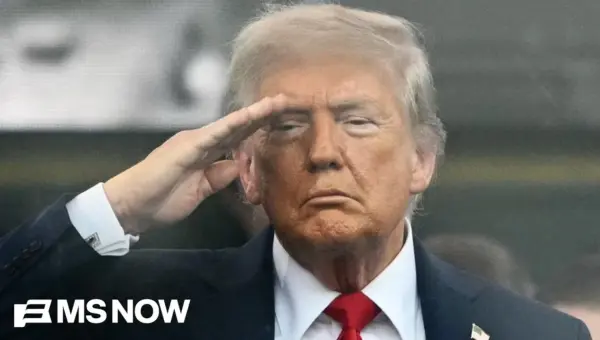
Pentagon chief Pete Hegseth is reportedly blocking the promotions of four Army officers, two Black and two women, to one-star general. This decision follows reports of alleged discriminatory remarks made by a top aide to Secretary Hegseth regarding President Trump's comfort standing with Black female officers.
Pentagon Weighs 10,000 Troops for Iran Showdown
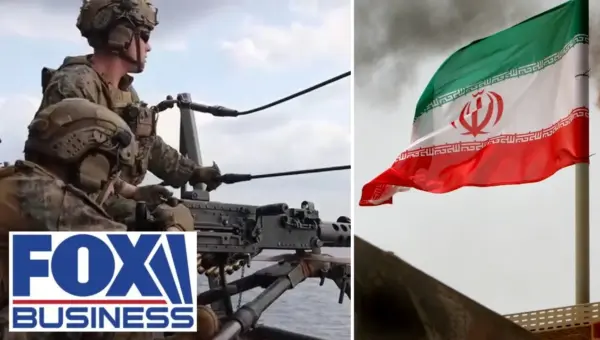
The Pentagon is reportedly weighing a significant troop increase of 10,000 soldiers to the Middle East, potentially escalating tensions with Iran. This move comes amid reports of U.S. precision strikes and interceptions of Iranian missiles by allies, raising concerns about regional stability and global oil supplies.
Heated Cabinet Meeting Exposes Media-Trump Dance
A recent televised cabinet meeting saw Pete Hegseth clash with the media over reporting on Iran, calling the operations a "pure American success." Critics argue these meetings are performative and question the narrative of success, citing potential troop involvement and ongoing Iranian defiance.