Iran War Sparks UK Economic Fears: Oil Soars, Futures Uncertain
The ongoing conflict in Iran is triggering significant economic concerns for the UK, with soaring oil prices and volatile stock markets already impacting consumers. Experts warn of further price hikes for petrol and gas, alongside increased risks to mortgage rates and food prices, as the war threatens to derail GDP growth.

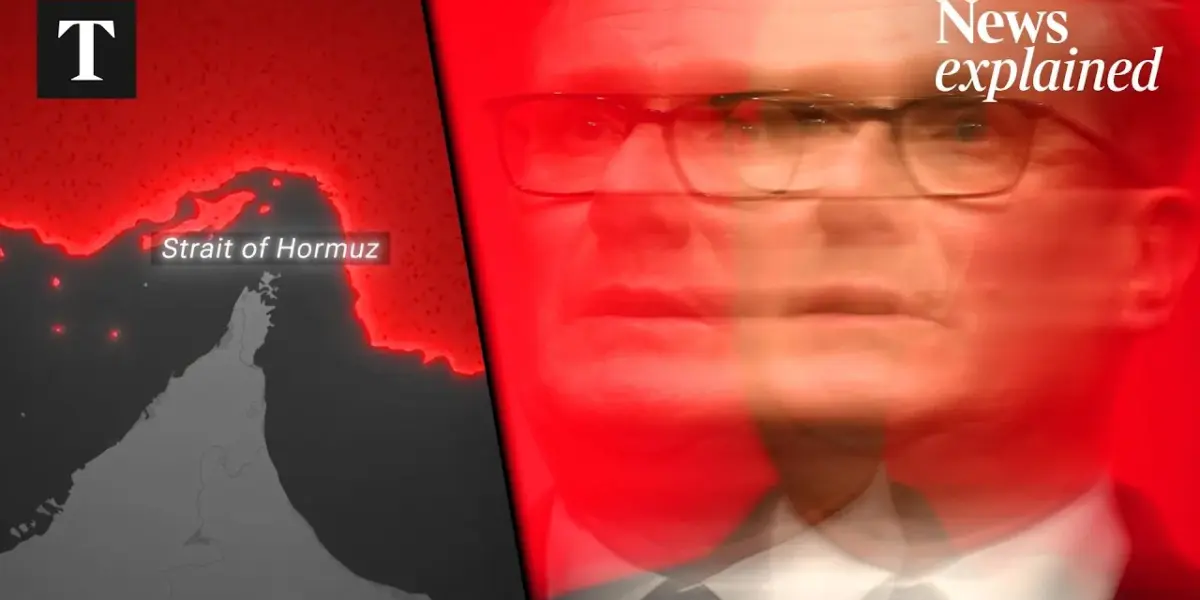
UK Economy Braces for Iran Conflict Fallout
London, UK – A burgeoning conflict in Iran is sending shockwaves through the global economy, with significant implications for the United Kingdom. As the situation intensifies, concerns are mounting over the potential knock-on effects on British households and businesses, particularly concerning energy prices, stock market volatility, and overall economic growth. Politicians are grappling with the uncertainty, hoping for a swift resolution to mitigate long-term damage, but acknowledge the unpredictable nature of the crisis.
Oil Prices Surge, Threatening Household Budgets
Since the conflict’s inception, global markets have experienced considerable turbulence, with stock markets experiencing significant downturns. Concurrently, the price of oil has surged dramatically, surpassing $100 a barrel – a stark increase from the approximately $60 a barrel seen at the conflict’s outset. This sharp rise in oil prices poses a direct threat to the UK economy, primarily through its impact on fuel and energy costs.
The Strait of Hormuz, a critical chokepoint for global oil and gas transportation, represents a significant vulnerability. Any disruption to this vital artery could lead to further escalations in oil prices, with experts warning of potential future highs of $120 or even $150 a barrel. The current government’s approach to managing the economy emphasizes responsiveness to global changes while acting responsibly in the national interest. However, the escalating energy costs present a formidable challenge.
Gas Prices Set to Soar Post-June
While the immediate impact on household gas prices has been mitigated by government-set rates until the end of June, a significant problem looms thereafter. The price of gas from June onwards is intrinsically linked to current wholesale prices. With wholesale gas prices already elevated due to the conflict, households are bracing for substantial increases in their energy bills heading into the summer and autumn months. This prolonged period of high energy costs is expected to strain household finances across the nation.
Petrol Prices Climb, Two Pounds a Litre a Real Possibility
The rise in petrol prices has been a noticeable consequence of the conflict, with further increases anticipated the longer the hostilities persist. Some industry observers are even forecasting the possibility of petrol reaching £2 a litre, a benchmark that would significantly impact commuting costs and the price of goods transported by road.
GDP Growth at Risk Amid Inflationary Pressures
A primary concern for the UK government is the potential impact on Gross Domestic Product (GDP) growth, which is central to the current political agenda. The escalating conflict fuels inflation, which in turn necessitates an increase in interest rates. This cycle of rising inflation and interest rates poses a significant impediment to achieving desired economic growth.
The transcript highlights the limited options available to the Chancellor, Rachel Reeves. Intervening to lower household energy costs, while a potential solution, would be prohibitively expensive, requiring either increased government borrowing or tax hikes – neither of which are politically palatable. The longer the conflict continues, the greater the risks become across multiple economic fronts.
Broader Economic Risks: Mortgages, Food Prices, and Household Finances
Beyond energy and fuel costs, the sustained conflict amplifies risks to household finances more broadly. This includes potential increases in food prices, as global supply chains are affected, and a greater likelihood of rising mortgage rates. As interest rates climb in response to inflationary pressures, the cost of borrowing for homeowners is set to increase, adding another layer of financial strain.
Scenarios and Uncertain Futures
The transcript outlines three potential scenarios for the conflict’s conclusion, each carrying different implications for the UK. While politicians express hope that a short-term conflict might see economic effects remain ‘transitory,’ the inherent unpredictability of the situation means this outcome is far from guaranteed. The potential for the conflict to drag on raises the specter of more permanent economic scarring.
The crucial factor remains the duration of the conflict and the ability to maintain stability in critical shipping lanes like the Strait of Hormuz. The transcript notes the United States faces a serious problem if Iran’s attacks on vessels persist. London’s political anxieties are amplified by the fact that the US may not have full control over the de-escalation timeline, a point underscored by the potential for Donald Trump to halt attacks, yet Iran’s response remaining uncertain.
What’s Next for the UK Economy?
As the international community watches the developments in Iran closely, the UK economy remains in a precarious position. The coming weeks and months will be critical in determining the extent of the economic fallout. Key indicators to monitor will include the ongoing price of oil and gas, fluctuations in the stock market, and government policy responses aimed at cushioning the blow for households and businesses. The ability of global powers to de-escalate the conflict and ensure the free flow of energy resources will be paramount in shaping the UK’s economic trajectory.
Source: What Are The Implications Of The Iran War For The UK? (YouTube)

Related Articles

Iran Conflict Sparks Market Volatility, Experts Weigh In
Geopolitical tensions in the Middle East have rattled global markets, with stocks falling and safe-haven assets like the U.S. dollar strengthening. Experts suggest the market may have overreacted, creating potential buying opportunities, but warn of a "bumpy journey" ahead due to infrastructure damage and potential oil shortages. Concerns also linger about the Federal Reserve's independence amidst political commentary.

Iran’s Capabilities Destroyed, Stocks to Soar: Analyst
Geopolitical analysis suggests Iran's military capabilities are nearing destruction, paving the way for U.S. control of the Strait of Hormuz. This resolution is expected to lower oil prices and significantly boost the stock market, according to market watchers.

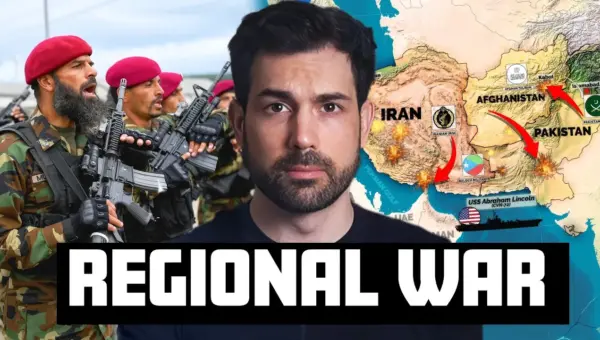
Iran War Ignites Regional Crisis: Pakistan Pulled In
The ongoing war in Iran is igniting a wider regional crisis, pulling Pakistan into escalating border conflicts with Baloch separatists and the resurgent Pakistani Taliban. Missile strikes, protests, and a refugee crisis are destabilizing the region, with significant implications for global energy markets and nuclear security.