UK Government Tackles Inflation Amidst Geopolitical Tensions
The UK government is confronting a dual crisis of rising inflation and geopolitical tensions, with the cost of living at the forefront of political concerns. Simultaneously, diplomatic efforts are underway to address accusations of Russian-Iranian economic destabilization, while domestic measures are being considered to mitigate soaring energy bills.

Government Faces Economic Headwinds as Global Instability Rises
In a critical moment for the United Kingdom, the government is navigating a complex landscape of rising inflation and escalating international tensions. The cost of living crisis remains a central concern, with household bills projected to increase significantly in the coming months. Simultaneously, Foreign Secretary James Cleverly has been actively engaging with allies in the Middle East, addressing accusations that Russia and Iran are attempting to destabilize the global economy through actions like Iran’s blockade of the Strait of Hormuz.
Accusations of Russian-Iranian Collusion in Global Economy Disruption
The British government has publicly stated its belief in clear links between Russia and Iran, particularly concerning the use of Iranian drones in the conflict in Ukraine. Political Editor of The Times, Steven Swinford, reported on the government’s accusation that these nations are effectively “hijacking the global economy” by disrupting maritime trade routes. This assertion was highlighted following the Foreign Secretary’s trip to Saudi Arabia, where such concerns were addressed.
The government’s accusation is clear that they are there are clear links between Russia and Iran. They have been for some time. The drones that we’ve seen killing lots of people in Ukraine are Iranian drones and they are linking the two things on a much broader basis and saying that you’re kind of you you are effectively hijacking the global economy by stopping vessels going down the straits of Hormuz.
Foreign Secretary’s Diplomatic Mission in the Middle East
James Cleverly’s visit to the region, which included a stop at a military base, served a dual purpose: to deliver a clear message regarding geopolitical threats and to demonstrate solidarity with allies. Swinford noted that a key objective was to counter concerns among allies that the UK was not sufficiently invested or active in addressing regional security issues. The visible presence of ministers in the region is seen as a crucial step in reassuring international partners.
Government Confronts Energy Firms Over Potential Price Gouging
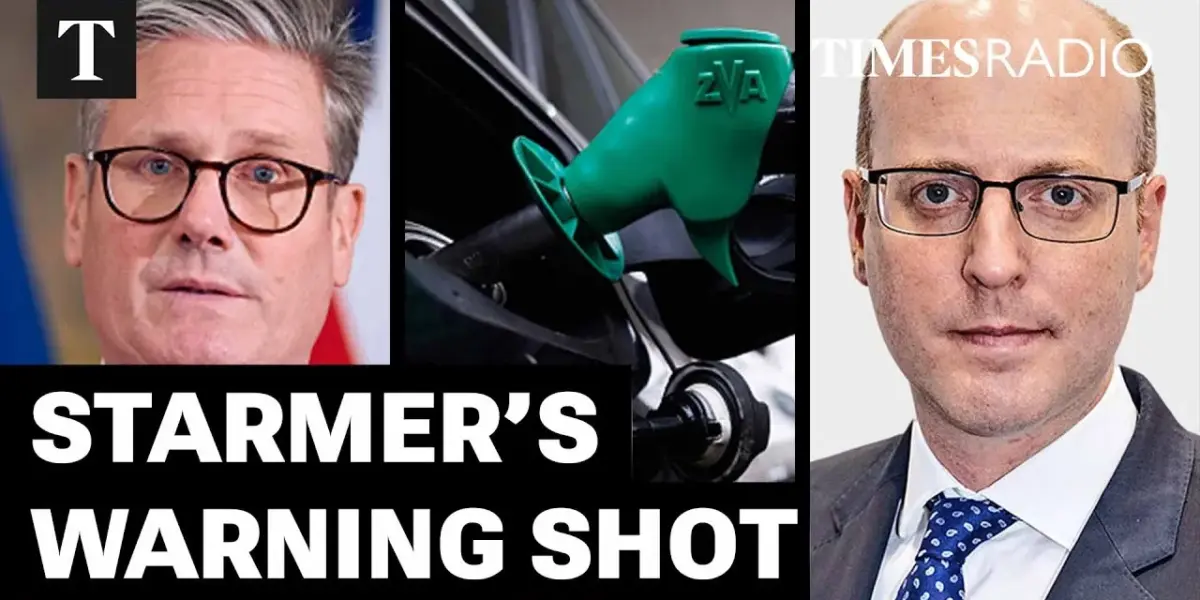
Domestically, the government is focusing intensely on the impending rise in energy bills. Chancellor Jeremy Hunt and Energy Secretary Grant Shapps met with representatives from petrol retailers and energy firms at Downing Street. This meeting was characterized as a “warning shot,” with the government expressing strong concerns about potential price gouging and the exploitation of the current situation. While evidence of widespread price gouging has not been definitively established by the government, the messaging underscores their determination to protect consumers.
Addressing the Cost of Living Crisis: A Political Imperative
The looming increase in energy bills, expected around June, presents a significant challenge. The government is reportedly working behind the scenes to determine the scale and nature of a support package. This comes in the wake of a previous intervention during the Ukraine war, where the government spent approximately £4 billion to subsidize energy costs. While no current package is being discussed at that scale, the need for targeted support is paramount. Swinford emphasized the political significance of this issue, stating that Prime Minister Keir Starmer’s “slim hopes of staying in power and winning the next election, they rely on helping people with the cost of living.” The current trajectory of rising bills poses a direct threat to the government’s electoral prospects.
Controversy Surrounds Keir Starmer’s Appointment of Lord Mandelson
In a separate political development, questions have arisen regarding the appointment of Lord Mandelson as an ambassador to the US, specifically concerning the vetting process under Keir Starmer’s leadership. It has emerged that Starmer himself did not directly speak with Mandelson during the appointment process. Instead, he delegated the task of addressing sensitive questions, particularly those related to Jeffrey Epstein, to two of his senior staff members: Chief of Staff Morgan McSweeney and then Head of Communications Matthew Doyle.
Concerns Over Conflict of Interest in Vetting Process
The effectiveness and impartiality of this vetting process have been called into question due to the close personal and political relationships between the staff members tasked with vetting and Lord Mandelson himself. Matthew Doyle, who ultimately confirmed his satisfaction with Mandelson’s responses, was reportedly socializing with Mandelson around the time of the appointment. This situation raises concerns about a potential conflict of interest, questioning whether the individuals involved could truly conduct a dispassionate review given their existing ties.
Looking Ahead: Economic Stability and Political Fortunes
As the UK grapples with the dual challenges of economic instability and geopolitical uncertainty, the government’s ability to manage the cost of living crisis will be a defining factor in its political future. The effectiveness of its diplomatic efforts in the Middle East and its domestic strategies for energy bill relief will be closely scrutinized. Furthermore, the controversy surrounding Lord Mandelson’s appointment may continue to cast a shadow, testing the public’s confidence in the leadership’s judgment and transparency. The coming months will be critical in determining whether the government can stabilize the economy and shore up its electoral standing.
Source: Starmer’s 'Slim Hopes' Of Wining The Next Election Rely On One Thing | Steven Swinford (YouTube)

Related Articles

China Fights Back: Tariffs Loom Ahead of Trump Visit
China is retaliating against US trade investigations that could lead to higher tariffs. This escalating trade tension occurs just before a planned visit by President Trump. The dispute involves accusations of unfair practices and impacts global supply chains.


Israelis Forge Resilience Amidst Constant Bomb Shelter Drills
Life in Israel is a blend of resilience and constant vigilance, with many families adapting to frequent bomb shelter drills and even sleeping in makeshift shelters. Despite ongoing missile attacks, Israelis strive to maintain normalcy, though businesses face disruption and emotional fatigue is a growing concern.


Israel Escalates Iran Strikes, Warns of Wider War
Israel has launched significant strikes inside Iran following continued missile fire, warning of further escalation. The conflict risks wider regional instability and economic disruption, especially concerning the Strait of Hormuz.