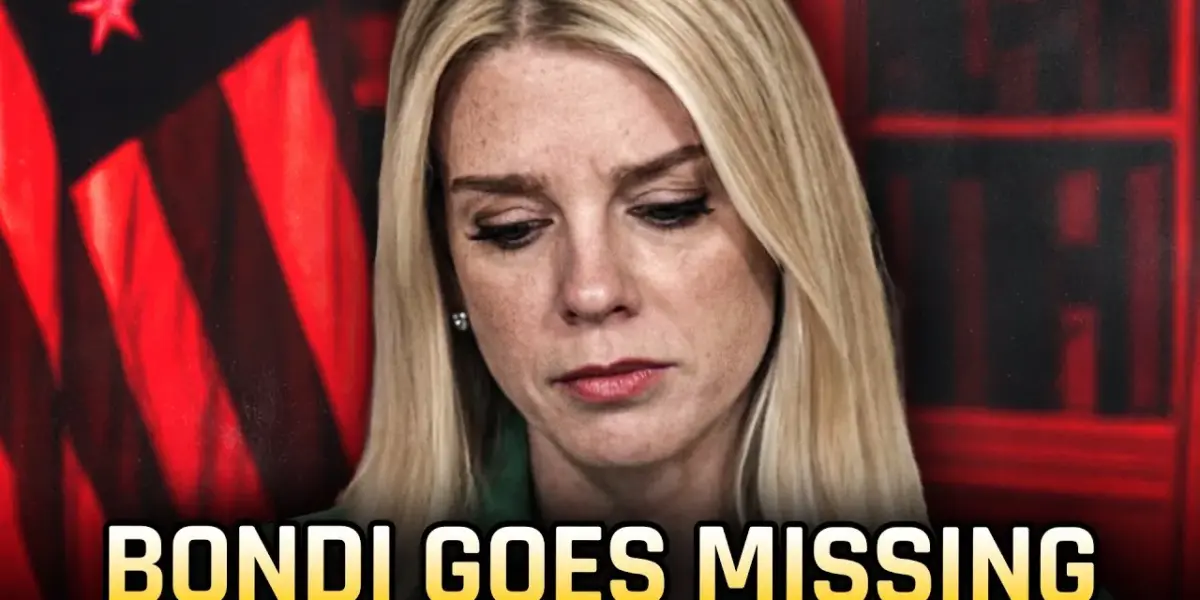
Bondi’s Bunker: Officials Flee Public Fury Amidst Scandal
Pam Bondi and other Trump administration officials have reportedly moved to secure military facilities, citing threats. This analysis questions the official narrative, exploring public anger and accountability.

Bondi’s Bunker: Officials Flee Public Fury Amidst Scandal
In a startling development that raises profound questions about accountability and public trust, reports indicate that former Florida Attorney General Pam Bondi, along with several other high-ranking Trump administration officials, have relocated to heavily guarded facilities on military bases. Citing threats from criminals, overseas adversaries, and protesters, these individuals are seeking refuge from a public that, according to one perspective, is deeply angered by their actions and policies. This move, unprecedented in its scale and implications, suggests a profound disconnect between those in power and the populace they serve, and warrants a closer examination of the alleged reasons for their retreat.
The Official Narrative vs. Skeptical Scrutiny
The official justification for these relocations, as reported by The New York Times, centers on perceived danger. The rationale presented is that these officials are targets of threats from three distinct groups: criminals, foreign adversaries, and domestic protesters. However, a critical analysis of this narrative reveals significant inconsistencies and raises serious doubts about its veracity.
- Criminals: The claim that criminals are targeting Pam Bondi is particularly perplexing. The argument presented is that Bondi, by allegedly focusing on prosecuting political enemies rather than actual criminals, has inadvertently protected the criminal element. Furthermore, the administration’s prolific use of pardons for individuals convicted of various offenses is cited as evidence that actual criminals are not, in fact, angry with this administration. Therefore, the notion of criminals posing a threat to Bondi seems counterintuitive.
- Overseas Adversaries: The assertion that foreign adversaries, such as Venezuelan cartels, are seeking to harm Bondi is also met with skepticism. Her handling of the Venezuelan situation, including the prosecution of Nicolás Maduro, is described as having been botched, with accusations of illegal kidnapping and charges based on fabricated crimes. From this viewpoint, rather than being a target, Bondi’s actions might have earned her gratitude, or at least indifference, from such groups.
- Protesters: The most potent and perhaps most believable threat, according to critics, stems from public anger and protest. The underlying sentiment is that Bondi, and others like her, are perceived as being involved in significant cover-ups, most notably concerning the Epstein files, on behalf of former President Trump. The anger is not necessarily directed towards physical violence, but rather a deep-seated frustration and disillusionment with the administration’s conduct and perceived corruption.
A Pattern of Retreat: More Than Just Bondi
Pam Bondi is not an isolated case. The report highlights that other prominent figures have also sought similar secure accommodations. These include:
- Steven Miller: The architect of the administration’s stringent immigration policies.
- Secretary of State Mike Pompeo (Note: transcript mentions ‘Marco Rubio’ and ‘Christy Gnome’, potentially misidentifying individuals or roles. Assuming the intent was to list high-profile officials facing scrutiny).
- Homeland Security Secretary Kirstjen Nielsen (Note: transcript mentions ‘Christy Gnome’, likely referring to Kirstjen Nielsen).
- Defense Secretary Mark Esper (Note: transcript mentions ‘Pete Hgsithth’, likely referring to Mark Esper).
The relocation of Steven Miller, in particular, has drawn commentary. The observation that he moved to a secure facility without his wife, who continues to engage in public communication from home, has been framed as a stark illustration of personal priorities and perhaps a disconnect even within families facing perceived threats.
Taxpayer Funds and Moral Reckoning
A significant point of contention is the use of taxpayer-funded military bases as de facto safe houses for these officials. The argument is that these facilities, intended for national defense, are being repurposed to shield individuals accused of human rights abuses, civil rights violations, and racist policies. This raises a fundamental question: should the public bear the financial burden of protecting officials who have, in the eyes of many, acted against the public interest or ethical standards?
While the sentiment of not threatening any individual, regardless of their political affiliation or perceived transgressions, is a crucial reminder against political violence, the underlying anger driving the need for such security cannot be ignored. The relocation is seen not as a response to genuine, imminent threats from criminals or adversaries, but as an attempt to avoid public confrontation and accountability for their actions.
Why This Matters
This situation is a stark indicator of the erosion of public trust in government institutions and officials. When individuals in positions of power feel the need to retreat into heavily guarded enclaves, it signals a profound breakdown in their relationship with the citizenry. The perception that these officials are hiding from the public they are meant to serve, rather than facing legitimate scrutiny, fuels further resentment and distrust. It underscores the importance of transparency, accountability, and ethical conduct in public service. The use of public resources, especially military installations, to shield officials from public anger for their alleged misdeeds is a misuse of taxpayer money and a perversion of the purpose of these facilities.
Historical Context and Trends
While high-profile individuals have occasionally faced threats and required increased security, the widespread relocation of multiple administration officials to military bases due to public anger and perceived wrongdoing is a relatively novel phenomenon in recent American political history. Historically, accountability for officials has often come through legal processes, public outcry leading to resignations, or electoral consequences. The current situation suggests a departure from these norms, where perceived threats – whether real or manufactured – are used as a justification for a form of self-imposed exile from public view, funded by the very public they have alienated.
The Future Outlook
The long-term implications of this trend are concerning. If officials can effectively insulate themselves from public accountability by citing threats and retreating to secure locations, it could embolden further misconduct and deepen the chasm between the governed and the government. It raises questions about the future of public discourse, the role of protest, and the mechanisms by which officials are held responsible. The public’s right to question, criticize, and hold its leaders accountable is a cornerstone of democracy. When that right is effectively circumvented through secure relocations, the health of the democratic process is at stake. Moving forward, there will likely be increased scrutiny on the justifications for such security measures and a continued debate about the responsibilities of public officials and the public’s right to engage with them.
Source: Pam Bondi Goes Into Hiding To Avoid Angry Americans (YouTube)

Related Articles

DOJ Official’s Remarks Spark Outrage Over Political Allegations
A top Trump DOJ official's speech at CPAC has sparked controversy, with claims of incriminating admissions regarding fears of prosecution and alleged political motivations. The remarks have raised serious questions about impartiality within the Department of Justice.

Bondi’s Citizenship Claim Stirs Debate on American Identity
Pam Bondi's assertion that U.S. citizenship is a "privilege, not a right" has ignited a significant debate, challenging the established understanding of the 14th Amendment. This statement reflects broader concerns about who defines American identity and raises questions about the direction of national values and governance.
Trump’s Iran War Plans Criticized Amid Border Funding Standoff
Lawmakers and analysts are criticizing the Trump administration's handling of the Iran conflict and its approach to border funding, arguing that a lack of clear planning and a focus on political battles are making the U.S. less safe. Concerns are particularly high regarding the FBI's priorities and the potential impact of these issues on national security.