Night of the Living Dead: Horror’s Reign Begins
George A. Romero's 1968 masterpiece, Night of the Living Dead, didn't just redefine the zombie genre; it invented the modern undead. Made on a shoestring budget and famously falling into public domain, this independent film remains a cornerstone of horror cinema.

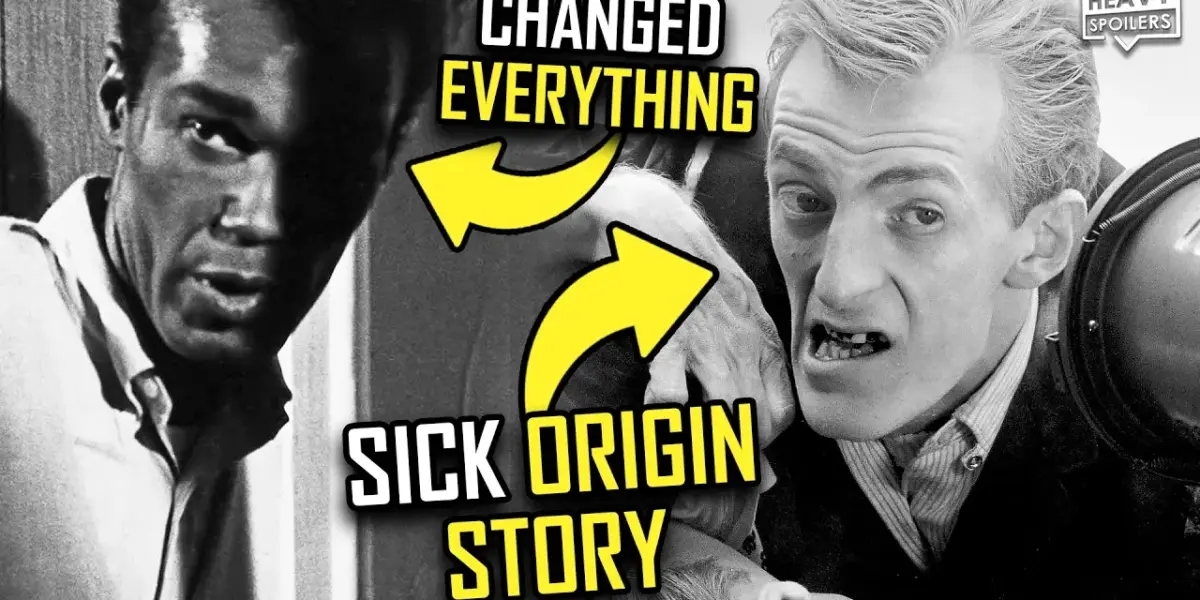
Night of the Living Dead: Horror’s Reign Begins
In the annals of horror cinema, few films loom as large or cast as long a shadow as George A. Romero’s Night of the Living Dead. Released in 1968, this independent masterpiece didn’t just redefine the zombie genre; it fundamentally invented the modern undead as we know it, a shambling, flesh-eating force that would haunt nightmares for generations. Penned by Romero and John Russo, the film plunged audiences into a terrifying siege within a rural farmhouse, a stark and visceral depiction of societal breakdown that remains chillingly relevant today.
A Groundbreaking Vision on a Shoestring Budget
The genesis of Night of the Living Dead is as fascinating as the film itself. Romero, who had previously honed his craft shooting segments for Mister Rogers’ Neighborhood, reportedly conceived the idea of turning familiar locales into sites of horror. Alongside his business partner Russell Strina, they sought to tap into the public’s appetite for the macabre. Initially, the project was envisioned as a horror-comedy about teenage aliens, but budget constraints quickly forced a pivot. Early drafts flirted with alien viruses and extraterrestrial causes for the undead, with remnants of this concept surfacing in the film’s news reports about radiation from a Venus satellite. Ultimately, the decision was made to simply have the dead rise, a terrifyingly simple premise that proved revolutionary.
The eureka moment for Romero and Russo arrived with the concept of combining an unpublished short story about flesh-eating ghouls with Russo’s idea of a young man discovering aliens stealing corpses. This fusion birthed the iconic, flesh-devouring monster that would come to define the genre. While zombies had existed in folklore, Romero’s interpretation, heavily influenced by Richard Matheson’s I Am Legend and the unsettling atmosphere of Carnival of Souls, brought the horror frighteningly close to home. “Neighbors suddenly turn into flesheaters. Ghouls, that’s what I called them,” Romero recalled. “What I was really saying is when there’s no more room in hell, the dead will walk the earth.”
A playful rivalry emerged with Matheson, who playfully dubbed Night of the Living Dead “cornball” and accused it of being more theft than homage. Romero, however, argued that while Matheson depicted the aftermath of global upheaval, his film explored the immediate human response to such a disaster as it unfolded.
From $6,000 to Public Domain: A Financial Rollercoaster
Securing funding for an independent film in the late 1960s was no easy feat. Romero and his collaborators formed Image Ten Productions, with each member chipping in $600 to raise an initial $6,000. Additional investors were sought, eventually bringing the total production budget to approximately $114,000 (around $1 million today). This was a minuscule sum compared to contemporary Hollywood productions and even dwarfed the budget of the original Halloween ($300,000) and today’s blockbuster figures, which often exceed $100 million. The tight budget necessitated creative solutions, with cast and crew often being friends and family. Cole Hardman and Marilyn Eastman, who owned Hardman Associates, played Harry and Helen Cooper, with Hardman’s daughter Kara appearing as their daughter Karen.
Perhaps the most significant, and devastating, misstep occurred during the film’s release. The title was changed from Night of the Flesheaters to Night of the Living Dead. Crucially, the copyright notice was inadvertently omitted during this change, rendering the film instantly part of the public domain upon its release. This meant anyone could distribute it, create remakes, or produce derivative works without legal repercussions, a fact that undoubtedly hampered Romero’s ability to profit from his groundbreaking creation. While likely devastating at the time, this public domain status also allowed for widespread dissemination and arguably helped pave the way for Romero’s subsequent successes, including the massively popular Dawn of the Dead.
Iconic Scenes and Unintentional Genius
The film opens with Barbara and Johnny driving through a cemetery to visit their father’s grave, a scene shot in the real Evans City Cemetery in Butler County, Pennsylvania. This location was chosen for its privacy, a necessary consideration given the film’s nascent stages and potential for unwanted attention. The car used was borrowed from Russell Strina’s mother, and a dent sustained during shooting led Romero to ingeniously incorporate a car crash into the narrative as Barbara attempts to escape. The haunting score, titled “The Eerie Heavy Echo,” was composed by Spencer Moore and, like much of the film’s music, was sourced from public domain libraries, including tracks used in Gumby and Teenagers from Outer Space.
The cemetery itself becomes an iconic location. The bullet-ridden sign at the entrance, a genuine artifact, retroactively serves as a potent symbol of the encroaching danger. A continuity error involving Johnny’s gloves is a minor, yet telling, detail from the low-budget production. The actors famously had to hold their breath during the November shoot to avoid visible condensation in the cold air. Ironically, a tornado later hit the area, unearthing 200 bodies, a grim event that Romero jokingly likened to the film’s plot.
The infamous line, “They’re coming to get you, Barbara,” delivered by Johnny, is etched into horror history. While seemingly a simple scare tactic, it foreshadows the literal pursuit that Barbara faces. Barbara’s initial paralysis and terror have been criticized, but Romero suggested her lifelong fear of death, stemming from childhood experiences in the cemetery, explains her extreme reaction. This scene introduces the first modern zombie, a creature never explicitly named as such in the film, a term coined by fans and later embraced by Romero.
Romero’s zombies possess distinct characteristics: they cannot run, a rule he rigidly adhered to, believing it unrealistic for the reanimated dead. They also exhibit a rudimentary ability to use tools, as seen when the zombie smashes the car window with a brick. The farmhouse, loaned by its owner who planned to demolish it, was renovated by the production team, who even lived there during filming. Inside, the discovery of a mutilated corpse, with ping pong ball eyes crafted by Romero himself, underscores the film’s visceral horror. The use of real animal parts, supplied by an investor who was a butcher, added to the gruesome realism, with roasted ham covered in chocolate syrup standing in for human flesh.
A Black Hero in a Racially Charged Era
Perhaps the most profound and impactful aspect of Night of the Living Dead is its unintentional political commentary, particularly concerning race. Duane Jones, a Black actor, was cast as Ben, the film’s central hero. While horror films had featured Black actors before, none had been the primary protagonist. The original script had Ben as a white character, but Jones’s audition proved so compelling that Romero cast him, deciding not to alter the script, a decision made during the height of the Civil Rights Movement. This casting choice immediately imbued the film with political significance.
Jones himself was acutely aware of the potential racial implications and insisted on rewrites to make Ben less aggressive and more sophisticated. Romero, while initially dismissive of these concerns, later reflected that he should have taken Jones’s feedback more seriously, especially regarding a scene where Ben slaps Barbara. Romero admitted that while he didn’t consciously connect Jones’s casting to the Civil Rights Movement at the time, themes of racial tension may have subconsciously influenced the film’s visual style, which was reportedly inspired by news footage of police brutality against protesters. This made Night of the Living Dead a landmark in Black representation in cinema, a powerful, albeit unintended, statement in a deeply divided America.
Legacy and Enduring Impact
Night of the Living Dead‘s legacy is undeniable. It established the zombie as a cultural icon, influencing countless films, television shows, and video games. Its low-budget ingenuity, groundbreaking social commentary, and sheer terror continue to resonate with audiences and filmmakers alike. The film’s public domain status, while a financial setback for Romero, ensured its widespread accessibility, allowing new generations to discover its horrors. The 30th-anniversary edition even introduced new scenes, including expanded origin stories for the zombies and an alternate ending, though many argue these additions detract from the original’s stark power.
From its humble beginnings to its status as a genre-defining classic, Night of the Living Dead remains a testament to the power of independent filmmaking and a chilling exploration of humanity’s darkest fears. It proved that a small team with a big vision could fundamentally change the landscape of cinema, leaving an indelible mark on the horror genre that endures to this day.
Source: NIGHT OF THE LIVING DEAD (1968) Breakdown | Film Analysis, Making Of, Ending Explained & Review (YouTube)

Related Articles
Wicker Man’s Twisted Genius Still Haunts Horror Fans
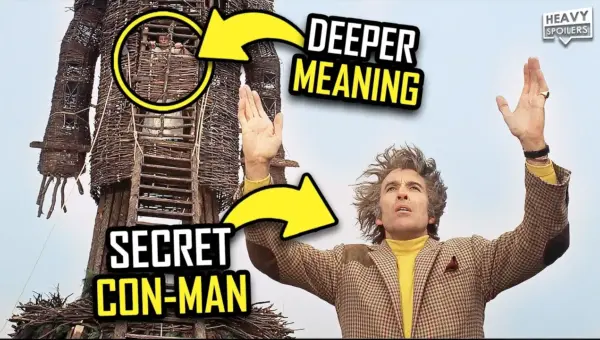
Decades after its release, 1973's 'The Wicker Man' continues to chill audiences with its unique blend of pagan rituals, unsettling atmosphere, and a shocking finale. This British horror masterpiece, shot mostly in daylight, redefined the genre by focusing on psychological dread over gore, leaving a lasting legacy on cult cinema.

Screen’s Worst Role Models: Top 10 Bad Influences Revealed!
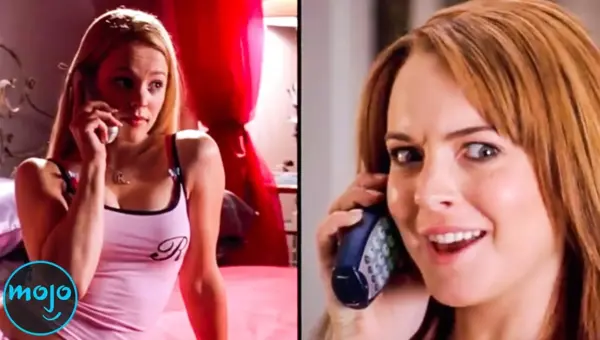
From charming rogues to manipulative leaders, Watch Mojo reveals the top 10 movie characters who are terrible influences. These characters might be entertaining, but their questionable morals and bad decisions are definitely not worth emulating in real life. The list is inspired by the new board game, Terrible Influence.

Sports Movies’ Most Powerful Speeches Revealed!
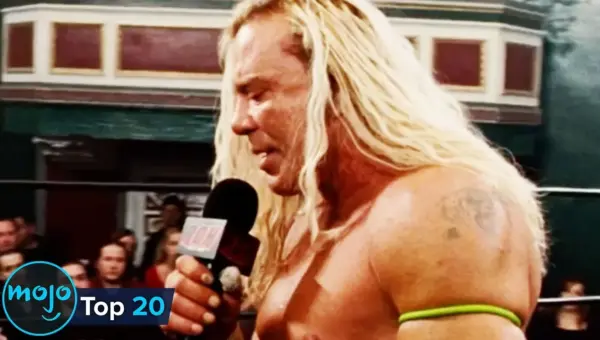
A new countdown has revealed the top 20 most powerful and memorable speeches from sports cinema, featuring iconic moments from films like Rocky, Miracle, and Any Given Sunday. These speeches capture the heart of sports movies, inspiring audiences with themes of perseverance and greatness.