Voters Cheer Their Own Economic Ruin in War’s Shadow
A disturbing trend sees American voters cheering economic hardship and war, driven by fear and a blind faith in leaders. This analysis explores the paradox of citizens supporting policies that ruin their own lives and the dangerous implications for the nation's future.

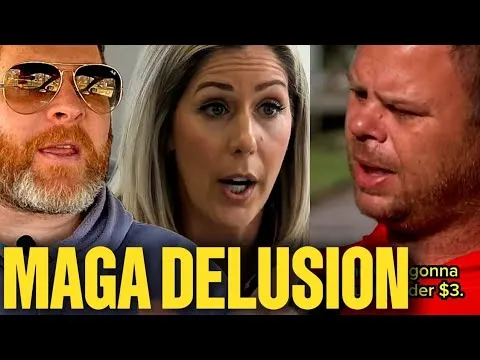
The Paradox of the American Voter: Cheering for Bankruptcy in a World at War
In an era marked by escalating global tensions and domestic economic anxieties, a disquieting phenomenon has emerged within the American electorate: a segment of the population appears to be actively supporting policies and actions that directly contribute to their own financial hardship and potential ruin. The transcript paints a stark picture of a nation grappling with soaring gas prices, unaffordable housing, and the specter of new conflicts, yet a significant portion of the populace remains staunchly behind the very forces driving these crises. This analysis delves into the complex psychology, historical context, and troubling implications of this apparent self-destructive political alignment.
Economic Woes Meet Blind Faith
The current economic climate is described as dire, with widespread inflation impacting everyday life. Gas prices are climbing, housing is out of reach for many, and the nation finds itself embroiled in what is characterized as an “unofficial war against the entire world.” Amidst this backdrop, the transcript highlights a segment of voters, specifically those aligned with the MAGA movement, who express unwavering support for the president and his decisions, even when those decisions appear to exacerbate the nation’s economic woes and lead to international conflict. This support often stems from a deep-seated distrust of perceived enemies and a fervent belief in the leader’s infallibility.
One striking observation from the transcript is the apparent ability of some supporters to compartmentalize devastating decisions. The narrative of a president authorizing strikes on Iran, a decision that could plunge a region into chaos and cost countless lives, only to then stop for a burger and engage in campaign stops, underscores this disconnect. Supporters interviewed express absolute trust in the commander-in-chief, believing he possesses knowledge beyond their comprehension. Phrases like “He knows all of the things that we don’t know” and “Whatever he says we got to do, we got to do. We don’t have a choice” reveal a profound level of delegation of critical thinking and a near-religious faith in a singular leader.
The Roots of “Willing Ignorance” and “Peace Through War”
The analysis points to a “willful ignorance” as a dangerous undercurrent, allowing for the justification of “the worst atrocities.” This is not merely a lack of information, but an active rejection of inconvenient truths, often fueled by a narrative of American exceptionalism that has become toxic. This version of exceptionalism, the transcript suggests, is no longer about being the greatest but about validating that greatness by “bring[ing] the rest of the world down.” When domestic politicians and corporations fail to improve the lives of their citizens, scapegoats are sought, and foreign adversaries become convenient targets, distracting from systemic failures.
The phrase “peace through war” emerges as a disturbing oxymoron embraced by some supporters. When confronted with the reality of initiating conflict, the justification often shifts to a perceived necessity, a response to threats, or a mission to liberate oppressed populations. However, the transcript questions the efficacy and wisdom of such actions, drawing parallels to the costly and protracted “excursions into Iraq and Afghanistan,” which resulted in millions of lives lost and immense suffering. The potential for a new conflict to “destroy an entire country, to erase an entire culture” is a chilling prospect, yet it is met with a disturbing lack of concern or a belief that it is somehow divinely sanctioned.
Echoes of History and the Erosion of Support
Historically, major conflicts have often begun with high public approval rates. The transcript notes that the wars in Iraq and Afghanistan initially enjoyed 80-90% public support. The current situation, with 50% support for the actions in Iran, is presented as still alarmingly high, given the known tendency for such support to erode as the consequences become apparent. This erosion is precisely what the transcript foresees as the impact of the conflict’s economic fallout begins to truly “seep into the lives of normal Americans.” As gas prices, grocery costs, and agricultural inputs like fertilizer become unaffordable, the financial strain will likely force a re-evaluation of previously held beliefs, particularly among those in impoverished rural communities who are disproportionately affected.
The self-realization of this negative impact is depicted through the voices of some Trump voters who express regret. They lament their current financial struggles, contrasting them with a perceived better past. The failure to meet campaign promises, such as keeping gas prices below $3, fuels their discontent. This growing disillusionment suggests that the “ironclad base with unshakable faith” may indeed begin to fracture as their own lives become “unaffordable.”
The “Evil Empire” and the Triumph of Fear
A core theme is the underlying philosophy driving this political movement: fear. The transcript posits that only through fear can the suffering of others be celebrated and justified as “well-deserved by your enemies.” This lack of empathy and sympathy transforms perceived adversaries into targets for retribution, fostering a cycle of aggression. The “evil empire” rhetoric, often directed at nations like Iran, serves as a convenient justification for pre-emptive strikes and a means to rally support by stoking nationalistic fervor and fear of external threats. This ideology, the analysis argues, is not grounded in a desire for genuine peace or prosperity but in a primal instinct for self-preservation and dominance, often at the expense of global stability and human lives.
Why This Matters
The phenomenon described is critical because it highlights a dangerous disconnect between political rhetoric, international action, and the lived realities of the American populace. When a significant portion of the electorate actively cheers for policies that lead to economic hardship and conflict, it poses a fundamental threat to democratic accountability and societal well-being. The willingness to embrace “willful ignorance” and delegate critical decision-making to a single leader, even when it leads to catastrophic outcomes, erodes the foundations of informed citizenship. This trend, if unchecked, can lead to repeated cycles of costly wars, economic instability, and a deepening of societal divisions. Furthermore, it risks cementing a perception of America as a “rogue actor” on the global stage, undermining its diplomatic influence and long-term security.
Implications, Trends, and Future Outlook
The transcript suggests that the current trajectory, characterized by isolationism and a reliance on military solutions, is unsustainable. The “shuttering and shattering of our alliances worldwide” will only exacerbate America’s challenges. The future outlook is one of increased hardship for the average American, who will ultimately bear the cost of these decisions through inflation, scarcity, and economic instability. The “great spiritual war” within America, as described, is not one of ideology but of denial versus reality, of empathy versus fear. The question remains whether the American experiment can survive this internal struggle and its self-imposed isolation.
The analysis concludes with a somber reflection on the potential legacy of this era. The author posits that the MAGA movement’s moment of infamy will be short-lived and reviled in history. For those who still identify with the movement but are beginning to question the outcomes, the call to action is to examine the suffering caused and to ask what net benefit it brings to their lives. The ultimate test for America, it seems, is whether it can move beyond a binary, fear-based ideology and embrace a more empathetic, sustainable, and globally responsible approach to foreign policy and domestic well-being.
Source: Cheering for Your Own Bankruptcy: The Dark Comedy of the American Voter (YouTube)

Related Articles
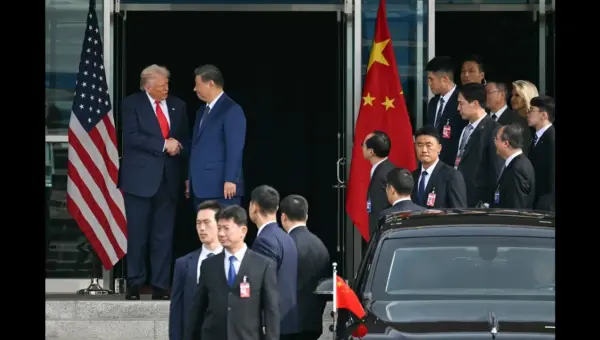
Trump’s “Walk Away” Tactic Signals Tougher Stance on China
Retired Air Force Brigadier General David Stillwell believes President Trump's strategy of being willing to walk away from negotiations puts pressure on China. This tactic, combined with US global actions and strengthened alliances, signals a more assertive American foreign policy.
Trump’s War Talk Stuns Financial Crowd
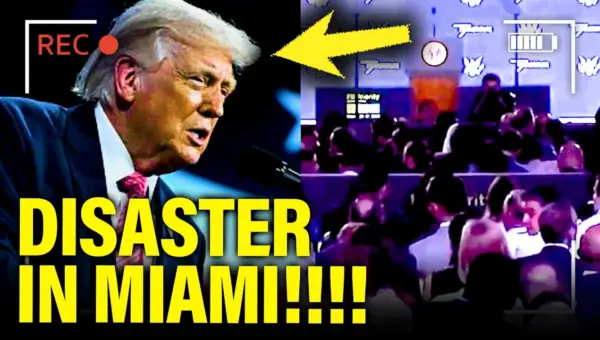
Donald Trump's recent speech in Miami focused on his foreign policy, particularly his critical views on NATO and his vision for international relations. He declared the U.S. would no longer defend NATO allies, questioned the value of existing alliances, and suggested renaming the Strait of Hormuz. The speech also touched on his personal views of success, his allies, and his perceived role as a global peacemaker.
Trump’s Warpath: New Threats Signal Imperial Ambitions
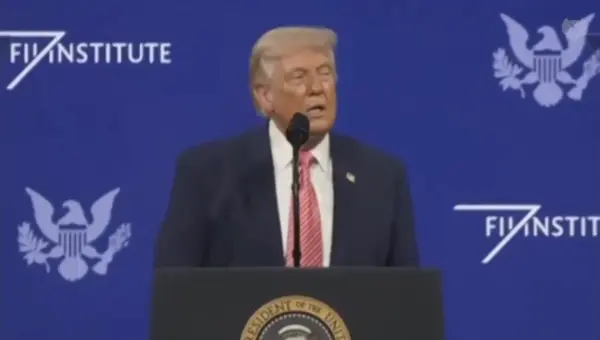
Recent statements from Donald Trump reveal a potential embrace of increased military action and interventionist foreign policy. This approach, characterized by critics as "imperialism 2.0," contrasts with his past promises of peace and has even drawn criticism from parts of his own base. The implications for U.S. global engagement and domestic priorities are significant.