Oil Spikes, Tariff Refunds, Credit Freeze Shake Markets
Surging oil prices, a massive government tariff refund mandate, and growing liquidity freezes in private credit funds are creating significant turbulence in financial markets. Investors face inflation concerns and potential systemic risks as major institutions restrict withdrawals.


Market Turmoil Intensifies as Three Major Events Converge
The global financial markets have experienced a turbulent period, with volatility accelerating in recent days due to a confluence of significant economic and geopolitical developments. Investors are grappling with surging oil prices, a substantial government refund mandate related to tariffs, and growing concerns over liquidity in the private credit sector, signaling a complex and potentially prolonged period of market adjustment.
Oil Prices Surge Despite Strategic Reserve Release
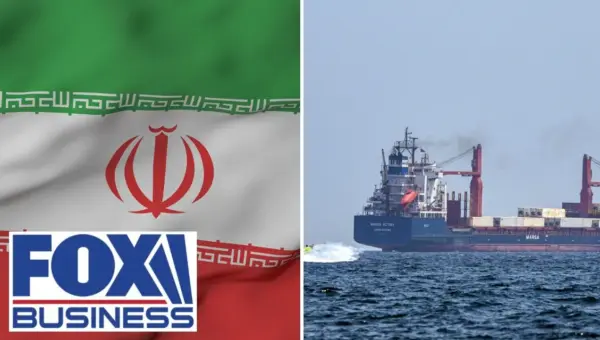
In a significant development, oil prices have defied expectations, climbing nearly 10% even after a coordinated release of 400 million barrels of oil from strategic reserves by several nations. This move, intended to curb rising energy costs and inflation, was the largest such release on record, dwarfing the 180 million barrels released in 2022 following Russia’s invasion of Ukraine. However, the market reaction underscored persistent anxieties surrounding the ongoing conflict in the Middle East and its potential impact on global oil supply. Iran’s control over the Strait of Hormuz, a critical chokepoint for global oil transit, remains a focal point of concern, particularly after its closure disrupted supply routes. The 400 million barrels represent approximately four days of global oil consumption, highlighting the short-term nature of the reserve release in the face of potential long-term supply disruptions. The sustained conflict and potential continued closure of the Strait of Hormuz could keep oil prices elevated, with broad implications for inflation across various sectors, from transportation to consumer goods.
Government Faces Massive Tariff Refund Obligation
Adding to the economic headwinds, a recent judicial ruling mandates that the U.S. government must refund billions of dollars in tariff revenue collected from businesses. This decision stems from a Supreme Court ruling that deemed certain tariffs illegal. The judge’s order specifies that all collected duties, deemed unlawful from their inception, must be returned to importers with interest. The government has expressed challenges in processing these refunds due to the sheer volume of transactions and the complexity of identifying all affected businesses. The ruling indicates that interest will accrue daily on delayed payments, potentially amounting to hundreds of millions of dollars monthly. While the direct recipients are businesses, the ultimate financial burden is expected to fall on taxpayers, impacting government revenue and potentially leading to fiscal strain. This situation could create a significant, ongoing drain on government finances.
Private Credit Market Freezes Amidst Default Fears
The private credit market is experiencing a severe liquidity crunch, with major financial institutions implementing withdrawal restrictions. Following similar actions by Blackstone and Blue Owl, BlackRock, the world’s largest asset manager, and more recently, Morgan Stanley, have blocked investors from accessing funds in their private credit portfolios. This situation arises as businesses that borrowed heavily through private credit channels, often at high interest rates due to their inability to secure traditional bank loans, are increasingly defaulting. Reports indicate that a significant portion of these borrowers were already operating with negative cash flow. As interest rates have remained elevated, these companies have struggled to service their debt, leading to a wave of defaults. The inability of investors to redeem their funds from these private credit vehicles has raised alarms about the solvency of these funds and the broader interconnectedness of the financial system. Banks that have invested in these funds or lent to them face potential exposure, raising concerns about a domino effect across Wall Street and the possibility of firm bankruptcies.
Market Impact and Investor Considerations
The convergence of these three major events presents a multifaceted challenge for investors. The surge in oil prices fuels inflation concerns, potentially forcing central banks to maintain higher interest rates for longer, which in turn can dampen economic growth and pressure corporate earnings. The government’s obligation to refund tariffs introduces fiscal uncertainty and could impact government spending or lead to higher taxes in the future.
The freeze in the private credit market is perhaps the most immediate concern for Wall Street. The lack of transparency regarding the full extent of defaults and the interconnectedness of financial institutions with these struggling funds creates significant systemic risk. Investors should be aware that the impact may extend beyond the directly affected private credit funds to larger financial institutions with exposure. While some argue the issue is contained, historical precedents suggest that liquidity crises can spread rapidly.
For financially savvy investors, these periods of market stress and uncertainty can also present unique opportunities. Identifying undervalued assets or sectors that may be unfairly punished by broader market fear, while understanding the underlying economic fundamentals, could be key to navigating the current landscape. The ability to adapt to changing economic conditions and identify emerging trends will be crucial for wealth preservation and growth.
“The longer that the war goes on, the longer oil prices will continue to stay high. And again, higher oil prices impact the prices of everything, which is why people are starting to get more concerned about inflation.”
“The concern is if this continues, we could see a big domino effect on Wall Street, which could cause some of the firms on Wall Street to go bankrupt.”
The current market environment demands a cautious yet informed approach. Understanding these key developments—the volatile energy markets, the fiscal implications of tariff refunds, and the liquidity crisis in private credit—is essential for investors seeking to make strategic decisions in an increasingly complex economic landscape.
Source: The Truth About Why The Stock Market Is Falling Right Now (YouTube)

Related Articles
China Fights Back: Tariffs Loom Ahead of Trump Visit
China is retaliating against US trade investigations that could lead to higher tariffs. This escalating trade tension occurs just before a planned visit by President Trump. The dispute involves accusations of unfair practices and impacts global supply chains.
Iran Tensions Send Oil Prices Soaring; Farmers Seek Relief
Escalating tensions with Iran are driving oil prices higher, while U.S. troop deployments to the Middle East increase. Meanwhile, American farmers are receiving relief from rising costs through regulatory changes and support measures, as devastating wildfires impact Nebraska's cattle industry.
Iran Conflict Sparks Market Volatility, Experts Weigh In
Geopolitical tensions in the Middle East have rattled global markets, with stocks falling and safe-haven assets like the U.S. dollar strengthening. Experts suggest the market may have overreacted, creating potential buying opportunities, but warn of a "bumpy journey" ahead due to infrastructure damage and potential oil shortages. Concerns also linger about the Federal Reserve's independence amidst political commentary.