Defense Secretary Briefs on Iran Amid Mideast Tensions
Defense Secretary Pete Hegseth addressed reporters today at the Pentagon, providing an update on U.S. military operations in the Middle East. The briefing focused on the ongoing challenges posed by Iran, including its nuclear program and regional activities, and reiterated the U.S. commitment to deterrence and stability.

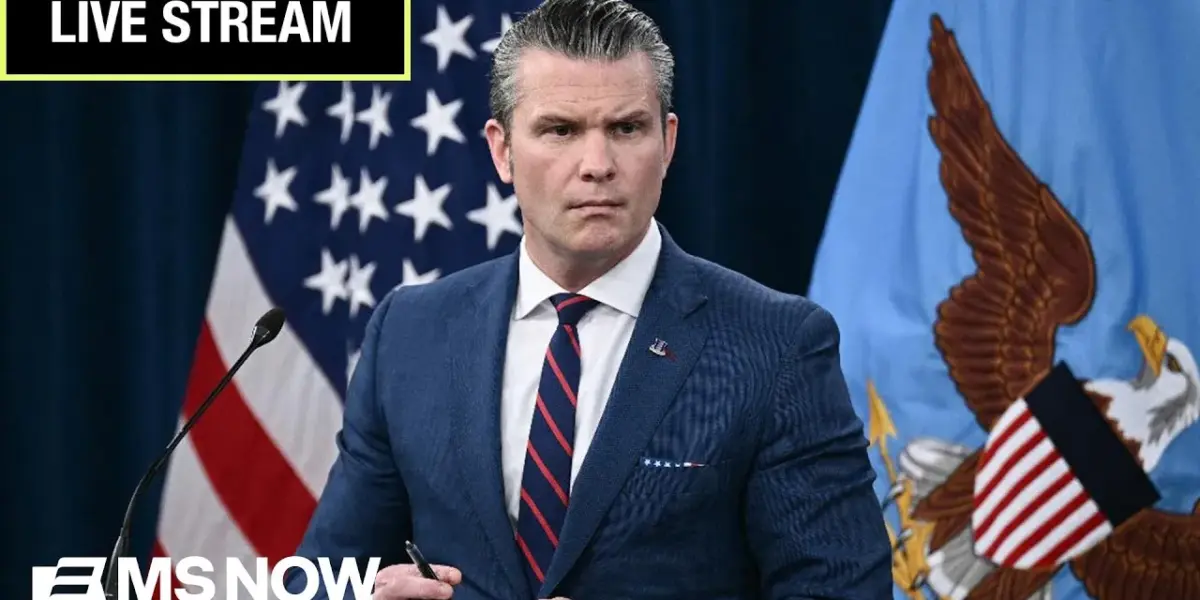
Pentagon Chief Addresses Iran, Mideast Operations
Washington D.C. – In a press briefing held today at the Pentagon, Secretary of Defense Pete Hegseth provided an update to reporters on the ongoing United States military operations in the Middle East, with a particular focus on the evolving situation involving Iran. The briefing comes at a critical juncture, with heightened regional tensions and persistent concerns over Iran’s activities and its influence in the area.
U.S. Military Posture and Deterrence
Secretary Hegseth reiterated the United States’ commitment to maintaining stability and deterring aggression in the volatile Middle East. He emphasized the strategic importance of the region and the necessity of a robust U.S. military presence to safeguard American interests and those of its allies. While specific operational details were not disclosed, the Secretary conveyed a message of readiness and resolve, indicating that U.S. forces are postured to respond to any threats.
The briefing touched upon the broader context of regional security challenges, including the threat posed by state and non-state actors. Secretary Hegseth underscored the Pentagon’s continuous assessment of the threat landscape and its efforts to adapt military strategies accordingly. The U.S. military’s role, he explained, is multifaceted, encompassing deterrence, defense, and the disruption of malign activities that threaten international peace and security.
Focus on Iran’s Actions
A significant portion of the briefing was dedicated to Iran. Secretary Hegseth addressed concerns regarding Iran’s nuclear program, its ballistic missile development, and its support for proxy groups operating throughout the region. He highlighted that these activities continue to be a primary focus for U.S. intelligence and military planning.
The Secretary stated that the U.S. is closely monitoring Iran’s compliance with international norms and agreements. He alluded to the ongoing diplomatic efforts that complement military deterrence, suggesting a comprehensive approach to managing the challenges posed by Iran. The U.S. objective, he clarified, is to prevent Iran from acquiring nuclear weapons and to curb its destabilizing actions that affect regional security.
“Our posture in the region is designed to deter aggression and to reassure our partners. We are constantly evaluating the threat environment and ensuring our forces are prepared to meet any contingency.”
– Secretary of Defense Pete Hegseth (paraphrased from briefing)
Regional Partnerships and Diplomacy
Secretary Hegseth also spoke about the importance of strong alliances and partnerships in the Middle East. He noted that the U.S. is working closely with regional allies to enhance collective security and counter shared threats. These partnerships, he asserted, are crucial for intelligence sharing, joint exercises, and coordinated responses to regional crises.
The diplomatic dimension of U.S. foreign policy was also acknowledged. The Secretary indicated that military actions are often synchronized with diplomatic initiatives, aiming for a comprehensive strategy that utilizes all instruments of national power. The goal, he reiterated, is to foster a more secure and stable Middle East through a combination of deterrence, defense, and dialogue.
Future Outlook and Next Steps
Looking ahead, Secretary Hegseth conveyed that the U.S. Department of Defense remains vigilant and adaptable. The situation in the Middle East is dynamic, and the Pentagon will continue to monitor developments closely, adjust its strategies as needed, and maintain open lines of communication with allies and partners. The commitment to regional security and the deterrence of hostile actions will remain paramount.
The briefing concluded with a reaffirmation of the U.S. military’s dedication to its mission in the Middle East. The focus will continue to be on ensuring freedom of navigation, countering terrorism, and preventing conflicts that could have wider implications. The coming weeks and months will likely see continued U.S. engagement in the region, with a watchful eye on Iran’s evolving posture and its impact on regional stability.
Source: LIVE: Defense Secy. Hegseth holds briefing on Iran (YouTube)

Related Articles


Israel Escalates Iran Strikes, Warns of Wider War
Israel has launched significant strikes inside Iran following continued missile fire, warning of further escalation. The conflict risks wider regional instability and economic disruption, especially concerning the Strait of Hormuz.
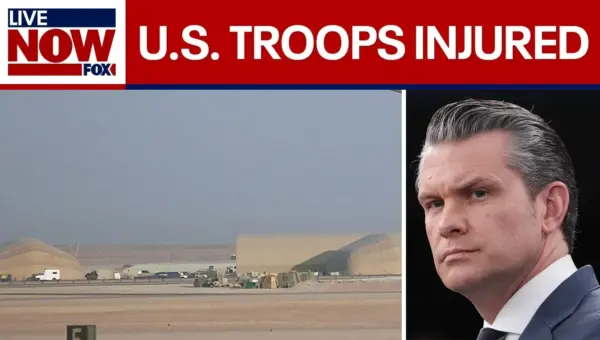
US Troops Wounded in Saudi Base Attack by Iran
An Iranian missile attack on Prince Sultan Air Base in Saudi Arabia wounded multiple U.S. service members and damaged aircraft. The incident highlights the ongoing risks in the Middle East and the limitations of air defense systems. Analysts discuss the strategic implications, economic pressures, and the isolation of Iran amidst the conflict.

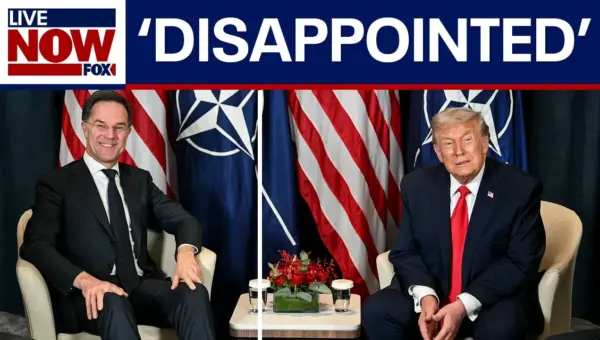
Trump Critical of NATO as Iran Conflict Escalates
President Trump voiced frustration with NATO's lack of involvement in the Iran conflict while the U.S. military prepares for a sustained campaign. Reports indicate significant damage to Iran's military, but tensions remain high with ongoing missile strikes and a recent attack on a Saudi air base wounding U.S. personnel.