Oil Market Chaos: Sanctions Lifted Amidst Global Supply Crisis
The US has temporarily lifted sanctions on Russian oil amidst a severe global supply crisis, marked by disruptions in the Strait of Hormuz and soaring crude prices. Oil derivatives trader Greg Newman describes the market as "breaking" due to a physical shortage, not speculation, and believes the situation indicates a loss of control by the Trump administration.

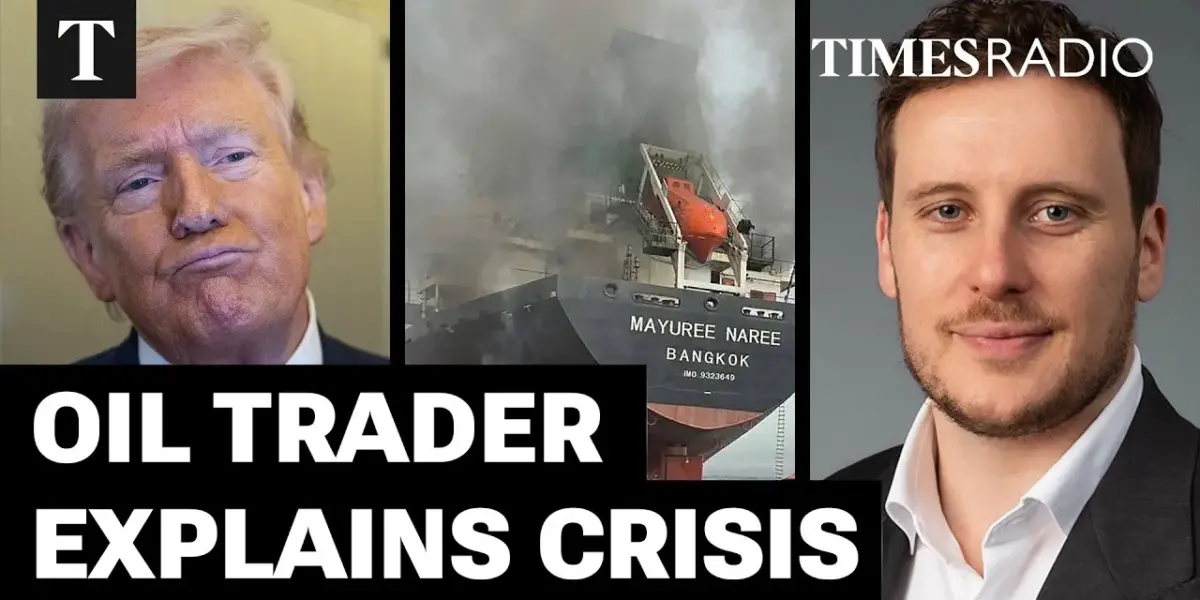
US Lifts Sanctions on Russian Oil Amidst Escalating Geopolitical Tensions
In a dramatic turn of events, the United States has temporarily lifted sanctions on Russian oil, a move signaling a significant shift in its strategy to combat soaring global energy prices. This decision comes as the oil market grapples with unprecedented volatility, driven by escalating geopolitical conflicts and disruptions to physical supply chains.
Hormuz Strait Blockade Fuels Oil Price Surge
The immediate catalyst for this policy change appears to be the escalating crisis in the Strait of Hormuz, a critical chokepoint for global oil transportation. Reports indicate that tankers have come under fire from Iranian drones, prompting Supreme Leader Ayatollah to declare the strait should remain closed. This threat has sent shockwaves through the market, with Brent crude surging to as high as $119 per barrel earlier this week. The unpredictability of oil flows through the Strait of Hormuz has made pricing oil incredibly difficult, according to industry experts.
“It’s very hard to do. So, you need to be quite well connected and you need to have all your models ready… This is crunch time, right? This is what we do. But, it is incredibly difficult. You’re having a situation where the market’s kind of breaking. It’s just so volatile. It’s so hard to find uh consistent buyers and sellers that it’s it’s very risky out there.”
Greg Newman, CEO of Onyx Capital Group, an oil derivatives trading firm, described the current market conditions as “unprecedented” and “very different” from past crises. He highlighted the extreme volatility, where a miscalculation in pricing, which would typically cost thousands of dollars, can now result in millions in losses within minutes.
Physical Oil Shortage, Not Speculation, Drives Prices
Newman emphasized that the current price surge is not driven by speculation but by a genuine physical shortage of oil. Unlike in 2022, when the issue was rerouting existing supplies, the current situation involves a significant amount of oil being taken offline for extended periods. He estimates that between seven to nine million barrels per day are definitely offline, with potential for that number to increase.
The market prices what is available, and currently, there is a severe deficit. Newman pointed out that the widely reported Brent crude price may not accurately reflect the reality of the physical market. In some Asian markets, jet fuel is reportedly trading at $200 per barrel, and Middle East crude prices are around $140 per barrel, indicating a stark difference from the headline figures.
Evacuation from UAE Amidst Heightened Tensions
The precarious situation has also led to urgent operational decisions. Newman recounted the challenging evacuation of his team from the UAE due to escalating tensions. What began as a seemingly calm situation quickly deteriorated, forcing a rapid response involving chartered jets and complex logistical arrangements to extract 55 employees and their nine dogs.
“What you’re reading on the media the headlines what people are saying is is absolutely irrelevant and in a lot of the cases complete opposite. So we just made the decision to pull them. Uh, very difficult to do on a Friday night. So we had to work with, you know, jet broker and do, you know, all this kind of logistical challenges… it was pretty crazy.”
This personal account underscores the tangible impact of geopolitical instability on global business operations and the safety of personnel.
“Trump Has Lost Control” – Experts Weigh In
Newman’s assessment of the US policy shift is stark: “Trump and Trump Trump’s administration have completely lost control.” He interprets the lifting of sanctions on Russian oil as a sign of desperation and a lack of a coherent plan to manage the unfolding energy crisis. The contradictory messaging, with assurances of stability juxtaposed against reports of direct attacks on shipping, leaves market participants confused and exposed.
The decision to lift sanctions, while aimed at increasing supply, is seen by some as a reactive measure to a crisis that has spiraled out of control. The market’s rapid shift from an oversupply narrative just months ago to a critical shortage highlights the fragility of the global energy system and the profound implications of geopolitical events.
Onyx Capital Group Navigates the Storm
Despite the extreme market conditions, Onyx Capital Group, as a market maker and liquidity provider, has managed to navigate the turbulence successfully. Newman stated that their business model, focused on providing prices for clients like BP, Shell, and airlines rather than speculating, has allowed them to perform well. Their extensive infrastructure, global coverage, and decade-long experience have been crucial in managing risk and serving client needs during this volatile period.
Looking Ahead: A Fragile Market
The coming weeks will be critical in determining the trajectory of the oil market. The effectiveness of the lifted sanctions, the de-escalation of tensions in the Strait of Hormuz, and the ability of global producers to bring new supply online will be closely watched. The market’s current state, characterized by a severe physical shortage and extreme price volatility, suggests that a return to normalcy will be a slow and challenging process, with significant implications for the global economy.
Source: This Development Shows Trump Has Lost Control Of The Oil Crisis | Oil trader (YouTube)

Related Articles
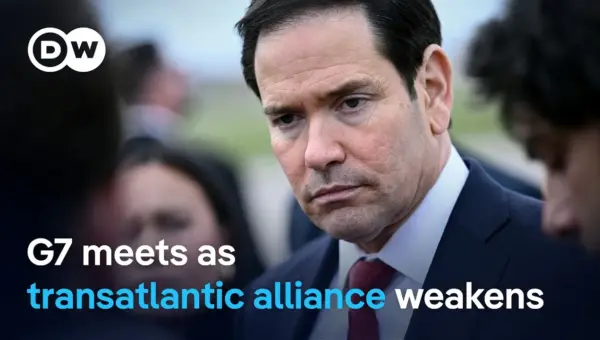
G7 Allies Clash Over Iran War Strategy, Urge Focus on Russia
G7 foreign ministers met in Paris, revealing deep divisions over the U.S. war with Iran. European allies urged the U.S. to pressure Russia, linking its actions to the conflict and fearing support for Ukraine will wane.
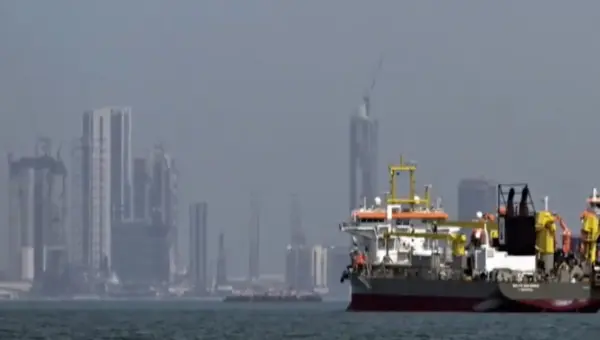
Iran Blocks China Ships, Exposing Beijing’s Weak Grip
Iran's recent decision to block Chinese ships at the Strait of Hormuz is exposing the limits of Beijing's influence in the Middle East. This action is causing delays and cancellations for Chinese manufacturers, turning a perceived geopolitical win into an economic strain.
Rubio: US Can Achieve Iran War Goals Without Troops
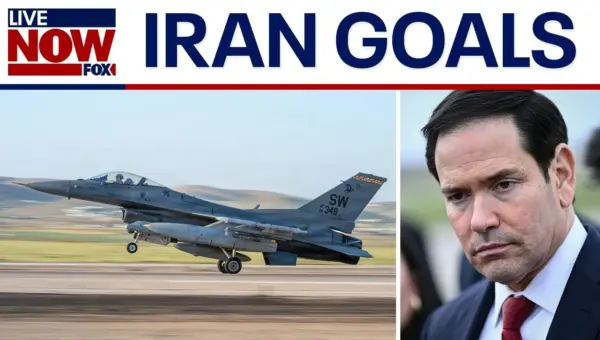
Senator Marco Rubio outlined a strategy to counter Iran without deploying U.S. ground troops, focusing on weakening the regime and enhancing maritime security. He also criticized Cuba's economic system and expressed concerns about West Bank violence.