US Service Members Killed in Iraq Air Crash Amid Iran Tensions
Four U.S. service members died when a refueling aircraft crashed in western Iraq. The incident occurred amidst escalating regional tensions with Iran, which have led to increased attacks, rising oil prices, and a complex diplomatic landscape.

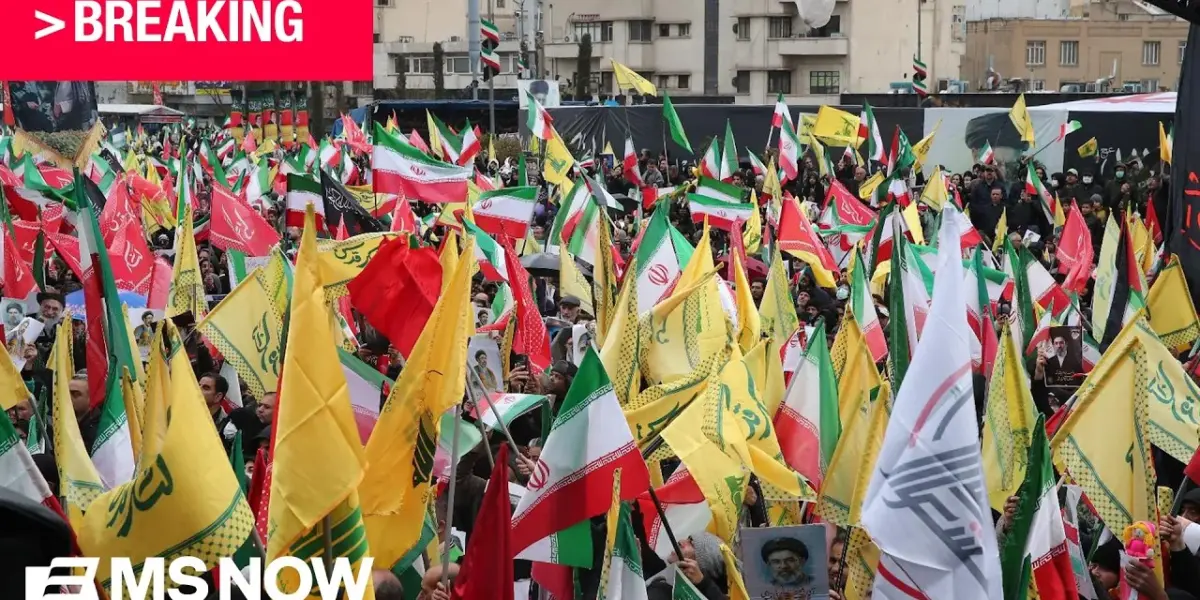
Four US Service Members Die in Iraq Aircraft Incident
Four United States service members have been killed in a refueling aircraft crash in western Iraq, U.S. Central Command confirmed Thursday. The incident occurred as the U.S. continues its military engagement with Iran, a conflict that has also led to heightened regional instability and rising oil prices. The status of two other crew members on board the aircraft remains unknown.
According to a statement from U.S. Central Command, the circumstances of the crash are under investigation. However, officials have indicated that the loss of the aircraft was not a result of hostile fire or friendly fire. The Pentagon reported that two aircraft were involved in the incident, with the second plane landing safely. This marks the fourth publicly acknowledged aircraft loss during the ongoing conflict with Iran. Last week, three U.S. fighter jets were reportedly downed by friendly fire in Kuwait.
Escalating Regional Attacks and Economic Fallout
The conflict with Iran has triggered a cascade of attacks and retaliatory strikes across the Middle East. Dubai experienced thick black smoke billowing over its skyscrapers after air defenses intercepted a projectile, sparking a blaze. Saudi Arabia reported downing dozens of drones in the early hours of Friday, while northern Israel sustained significant damage from a missile strike, according to officials.
Iran has also continued to target oil and energy infrastructure. Analysis from The New York Times indicates that at least 16 oil tankers, cargo ships, and other commercial vessels have been attacked in the Persian Gulf since the war began. In response, Israel’s air force stated it struck over 200 targets in western and central Iran within the past day. Israeli Prime Minister Benjamin Netanyahu commented that these attacks are creating optimal conditions for the fall of the Iranian government, though he added that a regime is ultimately toppled from within.
President Trump’s Stance on the Conflict
President Trump has characterized the war with Iran as an overwhelming success, asserting that the U.S. military’s actions are proceeding as planned. He has downplayed concerns over rising oil and gas prices, stating that the United States, as the world’s largest oil producer, benefits when prices increase. The President issued a stark warning to Iran’s leaders overnight via social media, stating, “WATCH WHAT HAPPENS TO THESE DERANGED SCUMBAGS TODAY.” He also described it as a “great honor to kill the Iranian regime.”
However, this optimistic assessment from the administration contrasts with reports suggesting a potential miscalculation regarding Iran’s capabilities to retaliate. While U.S. and Israeli forces have inflicted substantial damage on Iran’s military infrastructure, Iran has demonstrated resilience by continuing to launch drones and deploy mines, impacting maritime traffic in crucial waterways like the Strait of Hormuz. This has led to a significant increase in global oil prices, with oil reaching $100 a barrel on Thursday.
“The circumstances of the incident are under investigation. However, the loss of the aircraft was not due to hostile fire or friendly fire.”
U.S. Central Command Statement
Analysis and Diplomatic Outlook
Experts suggest that while military force has diminished Iran’s conventional capabilities, the regime remains capable of protracted conflict. Richard Haass, President Emeritus of the Council on Foreign Relations, noted that continued military operations may not achieve desired outcomes, such as securing the Strait of Hormuz or protecting regional partners’ infrastructure. He expressed skepticism about the prospect of immediate regime change, highlighting the resilience of Iran’s leadership and its security forces.
Haass also pointed to Iran’s recent demands for a ceasefire as a potential indicator of an emerging diplomatic dimension to the conflict. Iran has reportedly outlined conditions including a cessation of attacks, disengagement from the region, and reparations. While not all demands are expected to be met, Haass suggested that easing sanctions and addressing Iran’s nuclear capabilities could become part of future negotiations. He recalled that U.S.-Iran talks, mediated by Oman, broke down two weeks prior, and anticipates a return to diplomatic discussions, possibly within the next week or two, to address both existing and new issues arising from the conflict.
The appointment of a new, hard-line Supreme Leader in Iran, potentially replacing an injured Ali Khamenei, suggests a lack of immediate willingness to negotiate or surrender. This move, along with Iran’s continued tactics of targeting regional allies and playing on economic vulnerabilities, may inadvertently strengthen ties between Gulf states and the United States. Despite initial reluctance from some allies to engage in the conflict, escalating Iranian actions could lead to increased requests for security arrangements and defense pacts.
Looking Ahead
The coming days will be critical in observing whether the diplomatic channels can be reopened amidst ongoing military actions. The resilience of the Iranian regime, the sustained economic impact on global markets, and the domestic political considerations within the United States, particularly regarding public sentiment against prolonged Middle East engagements, will likely shape the trajectory of the conflict and potential resolutions.
Source: BREAKING: Four U.S. service members killed in air crash in Iraq (YouTube)

Related Articles


Israelis Forge Resilience Amidst Constant Bomb Shelter Drills
Life in Israel is a blend of resilience and constant vigilance, with many families adapting to frequent bomb shelter drills and even sleeping in makeshift shelters. Despite ongoing missile attacks, Israelis strive to maintain normalcy, though businesses face disruption and emotional fatigue is a growing concern.

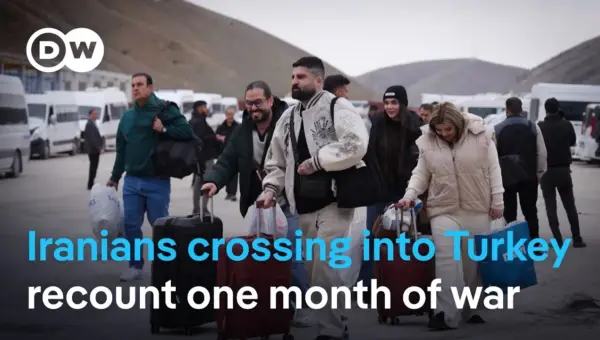
Iran War Exodus: Refugees Flee to Turkey Amidst Bombings
A train from Tehran brings refugees to Turkey, fleeing daily bombings and economic collapse. Many express deep fear for loved ones left behind, while some hold onto national pride and hope for victory. The conflict's impact is also felt economically in Turkey, with rising gas prices.


Israel Escalates Iran Strikes, Warns of Wider War
Israel has launched significant strikes inside Iran following continued missile fire, warning of further escalation. The conflict risks wider regional instability and economic disruption, especially concerning the Strait of Hormuz.