IRGC Prioritizes Regime Survival Amid Strait of Hormuz Tensions
Former CIA station chief Dan Hoffman highlights that the IRGC's primary goal is regime survival, influencing its actions in the Strait of Hormuz. The article examines the complexities of potential military escorts, ongoing oil flows, and the strategic importance of the U.S. Petroleum Reserve amidst regional tensions.

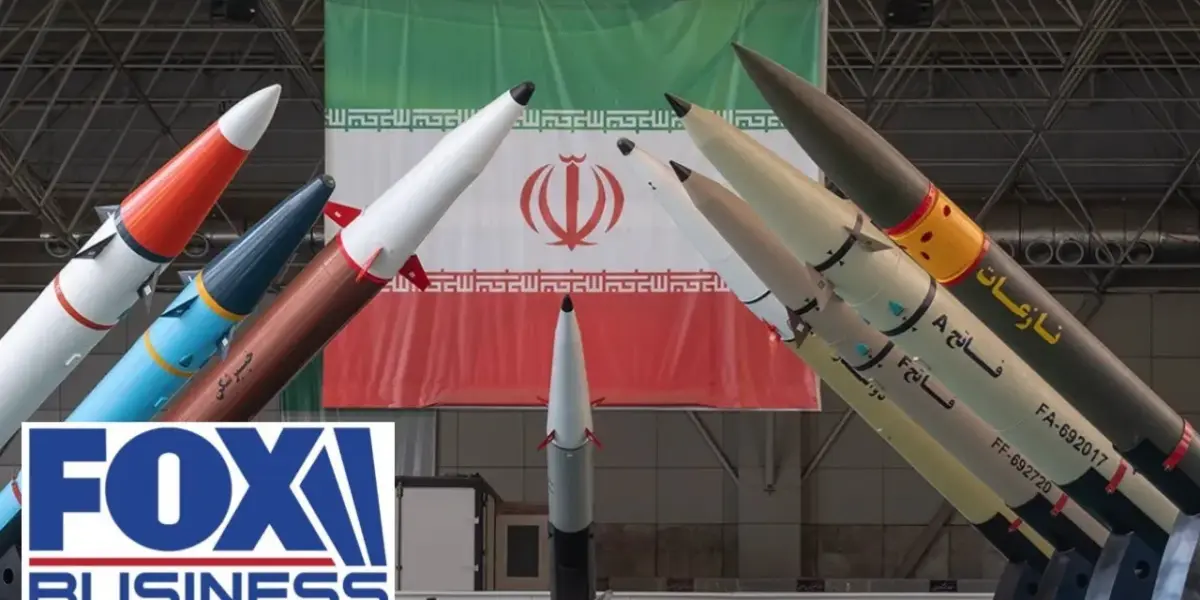
IRGC Focuses on Regime Survival Amid Strait of Hormuz Tensions
The Islamic Revolutionary Guard Corps (IRGC) operates with regime survival as its paramount objective, a perspective echoed by former CIA station chief Dan Hoffman. This central tenet guides the IRGC’s strategic decisions, particularly in the volatile maritime environment of the Strait of Hormuz, where geopolitical maneuvering and potential military actions are under constant scrutiny. The ongoing tensions highlight a complex interplay between supply lines, insurance considerations, and the willingness of global powers to intervene militarily.
Navigating the Strait: Escorts and Military Readiness
The question of whether the United States military should escort vessels through the Strait of Hormuz remains a central point of discussion. President Biden has indicated a willingness to provide escorts if deemed necessary, but former CIA station chief Dan Hoffman suggests that such a decision hinges on Secretary of Defense Lloyd Austin’s assessment of military capability and risk. “I think that means, is that Secretary [Austin] has to make a determination about whether U.S. military can do that safely and securely,” Hoffman stated, emphasizing the need for robust intelligence on Iran’s threats and the military’s capacity to ensure safe passage.
Hoffman elaborated on Iran’s strategy, noting their inclination to target ‘soft targets’ such as oil refineries and vessels, aiming to impose an economic cost through a war of attrition. “They are not going to make a deal with the United States about their ballistic missile program, or nuclear program or support to proxy terrorists,” Hoffman asserted. “They just want the regime to survive.” This focus on self-preservation dictates their approach to international relations and regional security.
Oil Flows and Strategic Reserves: A Complex Economic Picture
Despite the heightened tensions, crude oil continues to flow out of the region through various channels, including pipelines across Saudi Arabia and the UAE, and via the Strait of Hormuz itself. Notably, Greek tankers have been observed navigating the strait while obscuring their flags, a tactic underscoring the risks involved. “More than 56% of normal Hormuz flow is moving. That is one of the reasons you don’t see over $100 his barrel oil,” one commentator observed, indicating that the market is not yet reflecting a full-blown crisis, partly due to these alternative and clandestine shipping methods.
The discussion also touched upon the U.S. Strategic Petroleum Reserve (SPR), with concerns raised about its recent depletion. “It was drained by Joe Biden unnecessarily for political reasons,” a commentator claimed. Efforts to refill the reserve have faced legislative hurdles, with the House of Representatives allocating $1.3 billion for replenishment, while the Senate significantly reduced this amount to $171 million. The SPR has also been subject to ‘forced sales’ over the past decade as a budget offset, a practice criticized for undermining its strategic purpose. “18.3 billion dollars is how much was raised, but now we need $20 billion to refill the SPR. This is budgetary tricks,” the commentator lamented.
Asymmetric Warfare and the Path Forward
Dan Hoffman underscored the nature of the conflict as asymmetric warfare, where Iran, despite degraded defense capabilities, possesses sufficient drones and missiles to continue strikes. The potential for Iran to deploy naval mines in the Strait of Hormuz remains a significant concern, perpetuating a cycle of disruption. “We’ll continue. I think the question for us, for the American people is how does this end, when does it end?” Hoffman questioned, highlighting a perceived lack of clarity from the current administration regarding objectives and exit strategies.
He suggested that President Trump, at some point, would need to address Congress and the American people to articulate specific military objectives. “If we don’t force a regime change for behavior, then we may be mowing the grass. We’ll have to do it again if the regime reconstitutes and rearms,” Hoffman warned, drawing a parallel to a previous discussion about the concept of ‘mowing the grass,’ which implies a temporary, recurring solution rather than a permanent resolution.
Looking Ahead: Strategic Clarity and Long-Term Solutions
The ongoing situation in the Strait of Hormuz demands a clear articulation of U.S. objectives and a sustainable strategy. The IRGC’s unwavering focus on regime survival suggests that diplomatic or military pressures must be precisely calibrated to achieve desired behavioral changes without escalating into wider conflict. The effectiveness of military escorts, the management of global oil supplies, and the strategic replenishment of the SPR will be critical factors to monitor in the coming weeks and months. The ultimate success of U.S. policy may hinge on whether it can achieve lasting strategic objectives, rather than engaging in perpetual, reactive measures.
Source: ‘Regime survival’ is paramount to the IRGC, former CIA station chief says (YouTube)

Related Articles
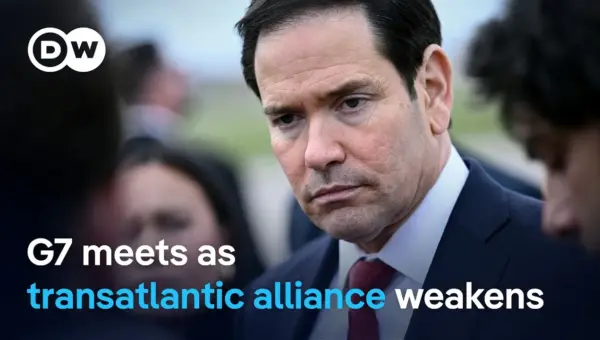
G7 Allies Clash Over Iran War Strategy, Urge Focus on Russia
G7 foreign ministers met in Paris, revealing deep divisions over the U.S. war with Iran. European allies urged the U.S. to pressure Russia, linking its actions to the conflict and fearing support for Ukraine will wane.

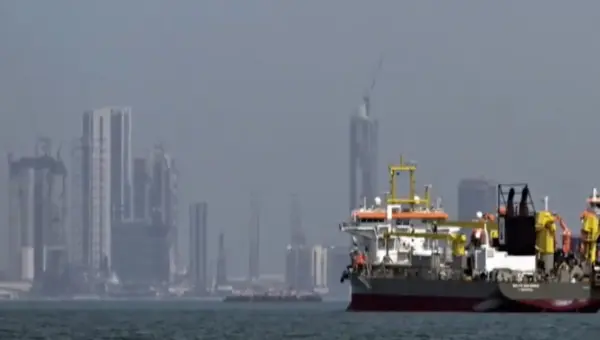
Iran Blocks China Ships, Exposing Beijing’s Weak Grip
Iran's recent decision to block Chinese ships at the Strait of Hormuz is exposing the limits of Beijing's influence in the Middle East. This action is causing delays and cancellations for Chinese manufacturers, turning a perceived geopolitical win into an economic strain.
Rubio: US Can Achieve Iran War Goals Without Troops
Senator Marco Rubio outlined a strategy to counter Iran without deploying U.S. ground troops, focusing on weakening the regime and enhancing maritime security. He also criticized Cuba's economic system and expressed concerns about West Bank violence.