Germany’s Refugee Crisis: Propaganda or Reality Check?
Exploring the complex reality behind online narratives of refugee issues in Germany. Is it widespread crisis or amplified propaganda? This analysis dissects social media trends, statistical data, and integration challenges.

Germany’s Refugee Crisis: Propaganda or Reality Check?
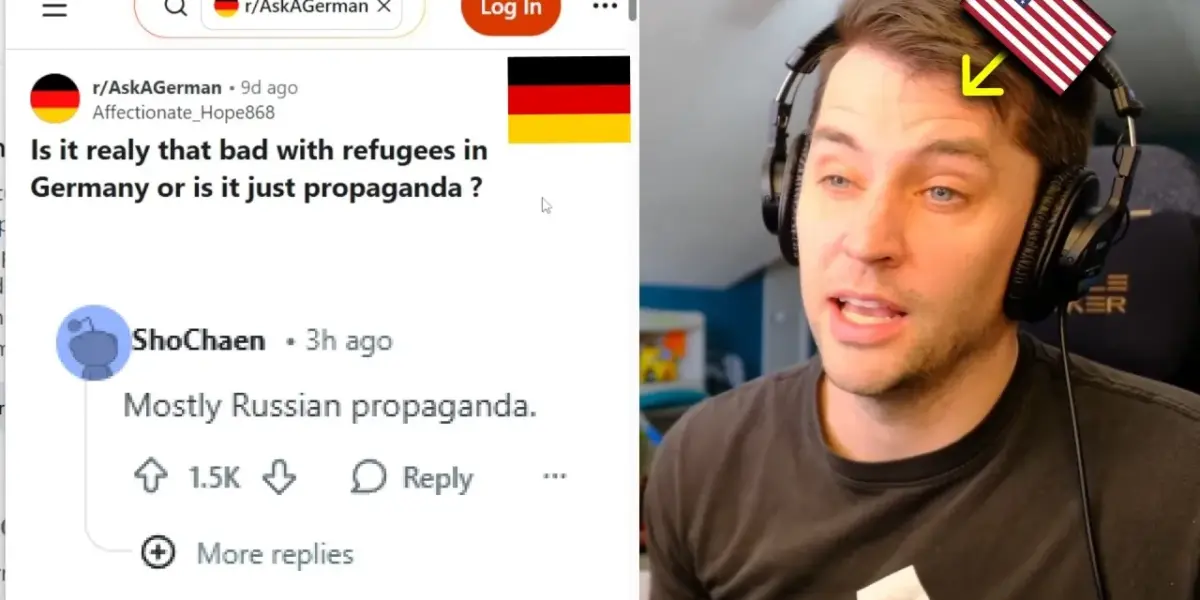
The question of whether Germany is grappling with severe refugee-related issues or if the narrative is being amplified by propaganda is a complex one, often met with starkly different portrayals depending on the source. As a recent online discussion highlighted, the digital landscape presents a binary: either a harmonious, diverse utopia or a society overwhelmed by societal ills attributed solely to immigrants. This analysis delves into the nuances, separating sensationalism from substantive concerns.
The Echo Chamber of Social Media
The initial spark for this discussion came from a user on a German subreddit, observing a trend of Instagram reels depicting scenes of public spaces in Germany filled with individuals of various nationalities, often portrayed as creating a mess or causing disturbances. This sentiment is echoed by others who have seen similar content, with some questioning the authenticity and origin of these videos, suggesting they might be part of a disinformation campaign, possibly from Russian sources, aimed at discrediting European nations.
However, the prevailing sentiment among those engaging with the topic is that social media, while not entirely fabricated, significantly exaggerates reality. One perspective shared is that such scenes are not unique to Germany but are common in the impoverished or problem-ridden areas of any large city worldwide. The argument is that focusing on these specific locations and times distorts the broader picture. As one commenter noted, “It’s never as bad as social media will make you think, but it’s not like there aren’t any problems.” This sentiment is also mirrored in discussions about the United States, suggesting a universal tendency for online platforms to sensationalize issues.
Media Narratives and Perception Skew
The discussion also touched upon how mainstream media, both in Germany and abroad, can shape perceptions. While some users reported seeing German media depict constant violence and civil unrest, others, including those who consume a significant amount of news, had not encountered such portrayals on US television. This discrepancy highlights how different media ecosystems can create divergent understandings of events.
A crucial point raised is that the majority of refugees are individuals seeking a better life. The actions of a vocal minority, however, often overshadow the experiences of the many. “The bad ones are much much louder and more obvious which skews the public perception to believe that all of them are criminals, parasites, rap.” This phenomenon, where negative instances are amplified, can lead to a skewed understanding of the overall situation.
Statistics: A Double-Edged Sword
When delving into statistics, the picture becomes even more complex. An increase in crimes committed by non-German suspects is often cited. For instance, a reported 7.5% increase in violent crime by non-German suspects is presented. However, without proportional context relative to the overall increase in the foreign-born population, such figures can be misleading. The source of this data, the Bundeskriminalamt (Federal Criminal Police Office), attributes the rise in suspects to the growing number of foreigners and the burdens of their past experiences. The raw numbers, such as 85,000 non-German suspects out of 217,000 crimes, are presented, but the call for proportional analysis – crimes committed per capita – is a recurring theme, emphasizing the need for data that reflects reality more accurately.
Conversely, some crime statistics show decreases. Drug-related crime, for example, reportedly decreased by 34%. This is humorously attributed to the legalization of cannabis, illustrating how societal changes and policy shifts can impact crime rates in ways that are not always intuitively understood.
Integration: The Core Challenge
A significant portion of the conversation revolves around integration. Many acknowledge that while many refugees have successfully integrated and built new lives, the process has not been universally smooth. The core issue, as one commenter puts it, is that “if you’re going to immigrate to a country, then you should love that country and what it is and try to integrate with it.” This perspective suggests that a willingness to adapt and become part of the host society is paramount.
The idea that immigrants are solely seeking handouts is challenged, particularly in the context of the US, where, as one user points out, even citizens receive minimal free support. The motivation for many, it is argued, is the desire to work and prosper. This counters the narrative often pushed by certain political factions that immigrants are a drain on social services.
Policy and Deportation
A more controversial viewpoint suggests that the government is being too lenient with criminals among the refugee population. The call for the consistent deportation of individuals who commit crimes, regardless of their refugee status, is voiced. This perspective finds a parallel in political discourse in the US, where even figures known for strict immigration stances have nuanced their rhetoric, differentiating between those who entered illegally but are contributing members of society and those who are criminals.
The pragmatic approach of focusing on deporting murderers and drug dealers, while acknowledging the presence of individuals who entered illegally but are otherwise law-abiding and employed, reflects a complex reality of immigration policy. The underlying sentiment is that while illegal entry is a concern, criminal behavior warrants a more immediate and decisive response.
Why This Matters
The discourse surrounding refugees and immigration in Germany, as reflected in this online exchange, is a microcosm of global debates. The ease with which misinformation can spread via social media, the tendency for negative events to overshadow positive ones, and the critical importance of statistically sound data are all crucial takeaways. Understanding these dynamics is vital for informed public discourse and effective policymaking. It underscores the need to critically evaluate online content, seek diverse and reliable sources of information, and engage in nuanced discussions that acknowledge both the challenges and the contributions associated with migration.
Implications, Trends, and Future Outlook
The trend of social media amplifying negative narratives about refugees is likely to continue. This necessitates a greater emphasis on media literacy and critical thinking skills for the public. The effectiveness of integration policies will remain a key determinant of social cohesion. Germany, like many European nations, will need to balance humanitarian obligations with the practicalities of managing large-scale migration and ensuring public safety and social harmony. The future outlook will depend on the ability of governments and societies to foster inclusive environments, address legitimate concerns without resorting to xenophobia, and promote accurate, evidence-based understanding of migration’s complexities.
Historical Context
Germany has a long history of receiving immigrants and refugees, from post-war displacement to the Gastarbeiter (guest worker) programs of the mid-20th century, and more recently, the significant influx of refugees in 2015. Each wave has brought its own set of challenges and societal adjustments. The current debate is not entirely new; similar discussions about integration, cultural differences, and the impact on public services have occurred in previous decades. However, the scale and speed of recent migration, coupled with the pervasive influence of digital media, have intensified these debates and made them more visible and often more polarized.
The current situation can be seen as a continuation of Germany’s ongoing process of defining its identity in an increasingly diverse and globalized world. The success or failure of integration efforts will shape not only the lives of refugees but also the future social and political landscape of Germany and Europe.
Source: "Is it really that bad with refugees in Germany or is it just propaganda?" (YouTube)

Related Articles

Germany’s Anti-AfD Firewall Crumbles Amidst Shifting Politics
Germany's political 'firewall' against the far-right AfD party is showing significant cracks due to rising AfD popularity and recent instances of cooperation. Historically rooted in Germany's experience with Nazism, the firewall aimed to prevent extremist parties from gaining power. However, shifts in the AfD's rhetoric and increased AfD strength, especially in eastern Germany, are challenging this long-standing political norm.


Immigration Debate Ignites Over Murder Suspect’s Status
A Venezuelan national accused of murder has become a focal point in the U.S. immigration debate. Prosecutors presented evidence of his alleged involvement in a student's death, while the defense highlighted his difficult background. The case raises questions about public safety and migrant support.


House Republicans Block DHS Funding Bill; Iran Faces War Fears
House Republicans have rejected a Senate-passed bill to fund the Department of Homeland Security, leaving thousands of TSA workers unpaid and deepening a political standoff. Meanwhile, in Iran, citizens face escalating conflict amidst fear, an internet blackout, and growing internal divisions, though glimmers of hope persist.