UK Water Firms Dump Sewage, Pollute Rivers: “20 Times Worse” Than Known
Whistleblowers reveal UK water companies are illegally dumping sewage into rivers on an unprecedented scale, with one expert estimating the problem is "20 times worse" than official figures suggest. The investigation exposes how privatization has led to a focus on profit extraction over infrastructure maintenance, turning rivers into dumping grounds.

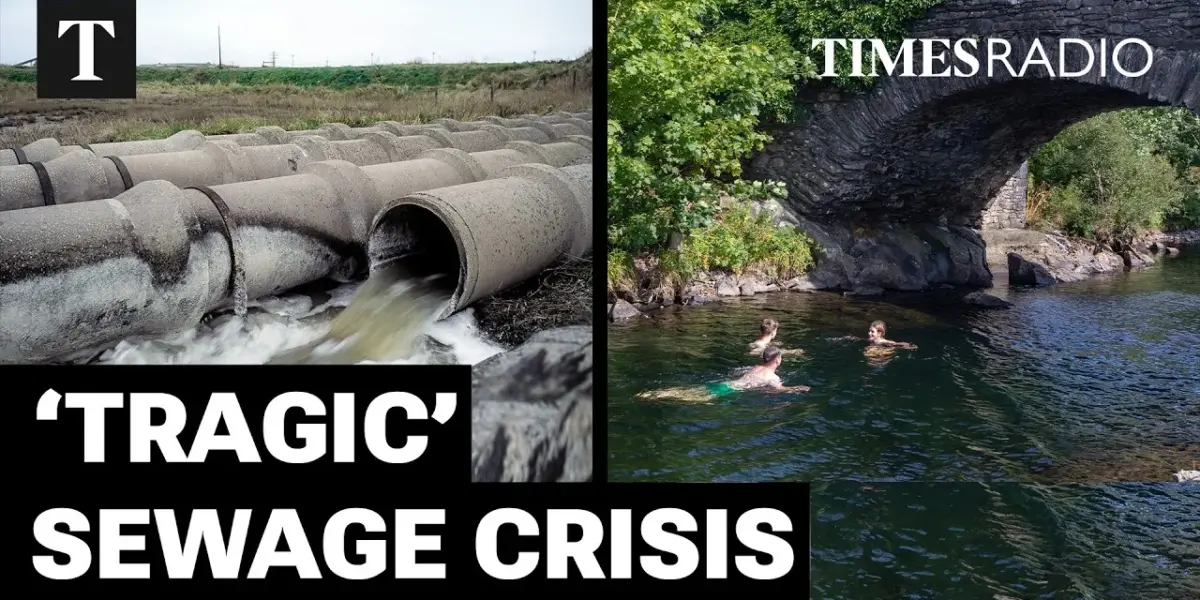
Whistleblowers Reveal Shocking Scale of Sewage Pollution in UK Rivers
In a damning exposé of Britain’s water industry, whistleblowers have revealed that the scale of illegal sewage dumping into the nation’s rivers is far worse than previously understood, with one expert estimating the problem to be “20 times worse” than regulatory agencies are aware of. The findings, detailed in the documentary ‘Dirty Business,’ highlight a systemic failure by water companies to maintain infrastructure, leading to widespread environmental abuse and turning rivers into dumping grounds for untreated waste.
The Grim Reality of Polluted Waterways
The environmental degradation witnessed in UK rivers due to sewage pollution is described as “tragic and shocking.” While the most visible impact is the death of fish, experts emphasize that the chronic effects are more insidious. “Often it’s about affecting the breeding capabilities. So slowly the river declines and slowly the water quality goes off. The weeds disappear and the invertebrate life goes the fish life drops down to to very little just hanging on and the water becomes murky and it often becomes quite gray,” explained one whistleblower. This slow, almost imperceptible decay transforms once vibrant ecosystems into polluted, lifeless waterways.
Recalling the pristine state of rivers prior to extensive pollution, one individual shared a stark contrast: “We could show beautiful almost like as clear as tap water with loads of big fish swimming around. The Windrush had been described as like um an aquarium.” This idyllic past, however, was dismissed by some authorities as mere nostalgia. “They were saying, ‘No, no, no. That’s just some old anglers with rose tinted spectacles. It was never like that.'” The availability of historical footage proved crucial in countering such dismissals, providing irrefutable evidence of the rivers’ former health.
Systemic Failure: Companies Ditching Instead of Repairing
The investigation uncovered a disturbing practice by water companies: instead of repairing malfunctioning sewage treatment mechanisms, they allegedly activated buttons that released raw sewage directly into rivers. “Effectively we were all paying them to do a job and they were just opening the window and chucking out, weren’t they?” a commentator noted, drawing a stark analogy for the public’s understanding of the situation.
Water companies typically have systems to manage excess flow, including settling tanks and filters for debris. However, the investigation revealed that toxic sewage pollution was frequently discharged into watercourses. Initially, companies claimed these discharges were brief, temporary measures to prevent sewage from backing up into homes, occurring only under “exceptional rain.” Yet, as data was scrutinized, the reality proved far more alarming.
“We discovered that they’d been dumping sewage aborton on the water, popular tourist place nearby for for over a week, um 24 hours a day. We thought that was stunningly shocking, but since then we’ve found up to virtually six months or even more sometimes of consistently dumping sewage. That’s not an aberration. There are many that you can find that have gone for over 3 months, four months with some little breaks in between because they like to break it up sometimes. Real abuse of the law illegal.”
Regulatory Blindness and Underreporting
The Environment Agency, tasked with policing water companies and preventing river pollution, appears to have been largely unaware of the true extent of the problem. “What we found very quickly was that although there was very detailed data available, they were just asking for summary data which you couldn’t possibly use to evaluate what was going on,” revealed an investigator. This led to a stark admission during testimony to the Environmental Audit Committee in the House of Commons:
“I stuck my neck out and said I think it’s 10 times worse than the agency know about and then later I had to revise that. I got it wrong. I told them it’s 20 times worse. So actually, you know, they they didn’t really have a clue about what was going on.”
Privatization’s Legacy: A “Money Extraction Machine”
The roots of the current crisis are traced back to the privatization of the water industry in 1989. Prior to this, a decade of deliberate underinvestment had already impacted the sector. The promise of privatization was to bring in much-needed investment. However, critics argue that it instead attracted global investors who viewed the UK’s 62 million “captive customers” – who cannot opt-out of water and sewage services – as a guaranteed revenue stream.
Companies were allegedly handed debt-free assets and subsequently operated as “money extraction machines.” Promises of investment were not fulfilled; instead, investors reportedly bought and sold company shares, prioritizing short-term profits over infrastructure maintenance. An independent valuer for Thames Water’s recent high court case reportedly stated that since privatization, the company “concentrated on taking money out in dividends and pretty much forgot that it had a job to do and to maintain the the infrastructure.”
Further analysis by former auditor Stanley Root suggests a consistent pattern: “there’s not been one single year since privatization when the shareholders put in more cash than they took out. And mostly they don’t put any in. Everything is funded by the bill payer.” This means that the public has been paying for infrastructure upgrades through their bills, only for shareholders to extract more capital than they have invested.
The “Scam” and What Consumers Can Do
Describing the situation as a potential “scam,” the investigation highlights the predicament of consumers who are “captive audience[s]” with no alternative providers. The question of how to combat this situation is pressing.
Experts urge the public to make their objections clear to their Members of Parliament (MPs). “It’s not necessary. The government can intervene. That government has powers to do this,” the whistleblower stated. The companies’ conduct is seen as a breach of their operating licenses, failing to deliver required services while continuing to extract funds. This has undermined national infrastructure and is now obstructing legitimate economic activities like house building.
Instead of holding companies accountable, the current government’s approach appears to be offering them more public funds in the hope of future improvements, a strategy criticized as making the public pay again for work already funded. The call to action is clear: engage with MPs and support national campaigns like the Sewage Campaign Network, which advocates for transparency and public decision-making over shareholder interests.
Looking Ahead: Accountability and Reform
The ongoing revelations place immense pressure on the government and regulatory bodies to take decisive action. The public’s patience with the degradation of their natural environment and the perceived exploitation by privatized utilities is wearing thin. Future developments will likely focus on the effectiveness of public pressure on MPs, potential legal challenges against water companies, and whether the government will implement stricter regulations and enforcement mechanisms to ensure the protection of UK waterways and hold companies accountable for their environmental impact.
Source: Brits Are ‘Captive Customers’ Of Water Companies | Sewage Crisis Exposed In ‘Dirty Business’ (YouTube)

Related Articles

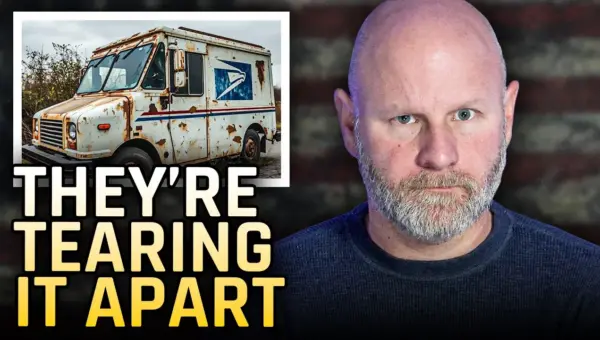
GOP Policies Push USPS to Brink of Collapse
The US Postal Service is reportedly on the verge of bankruptcy due to a combination of declining mail volume and restrictive Republican policies. A 1992 law capped its borrowing ability, while a long-term agenda to privatize the service fuels concerns about its future. This potential collapse could significantly impact millions of Americans, especially in rural areas.

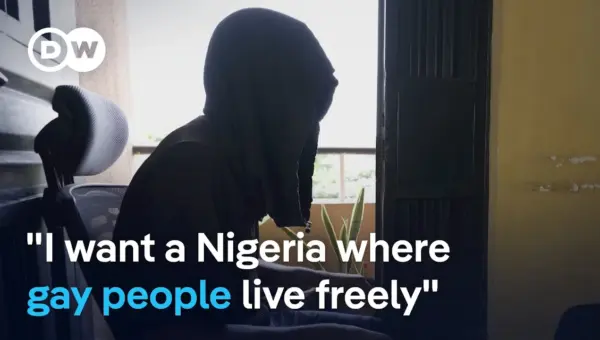
Nigeria’s ‘Kito’ Scam Targets LGBTQ+ People with Violence
Nigeria's LGBTQ+ community is facing a surge in violent 'Kito' scams, where victims are lured online, ambushed, beaten, and blackmailed. Rights groups report over 50 cases since December, highlighting the dangerous exploitation of anti-gay laws and societal homophobia. Survivors share harrowing accounts of physical and emotional trauma, living in constant fear.


White House Launches “OnlyFarms” Website for Farmer Support
The White House has launched "OnlyFarms," a new website at onlyfarmms.gov, to highlight benefits and support for American farmers facing rising costs. The initiative aims to showcase how administration policies are intended to ease financial burdens and lower prices for both producers and consumers.