Trump’s War Rhetoric, Propaganda Videos Spark Outrage
President Trump's administration faces criticism for controversial war propaganda videos and its handling of the Iran conflict. Critics argue the videos trivialize war, while economic fallout and a lack of preparedness for the Strait of Hormuz disruptions raise serious concerns. A political standoff over TSA funding further impacts daily life for Americans.

Trump’s ‘War is Football’ Videos Draw Fierce Criticism
President Donald Trump’s administration has come under fire for releasing a series of videos that critics argue trivialize war and insult the intelligence of both the public and U.S. military personnel. The videos, which have been described as “childish” and “stupid,” employ imagery from popular culture, including the acclaimed television series “Breaking Bad,” to promote the administration’s war efforts.
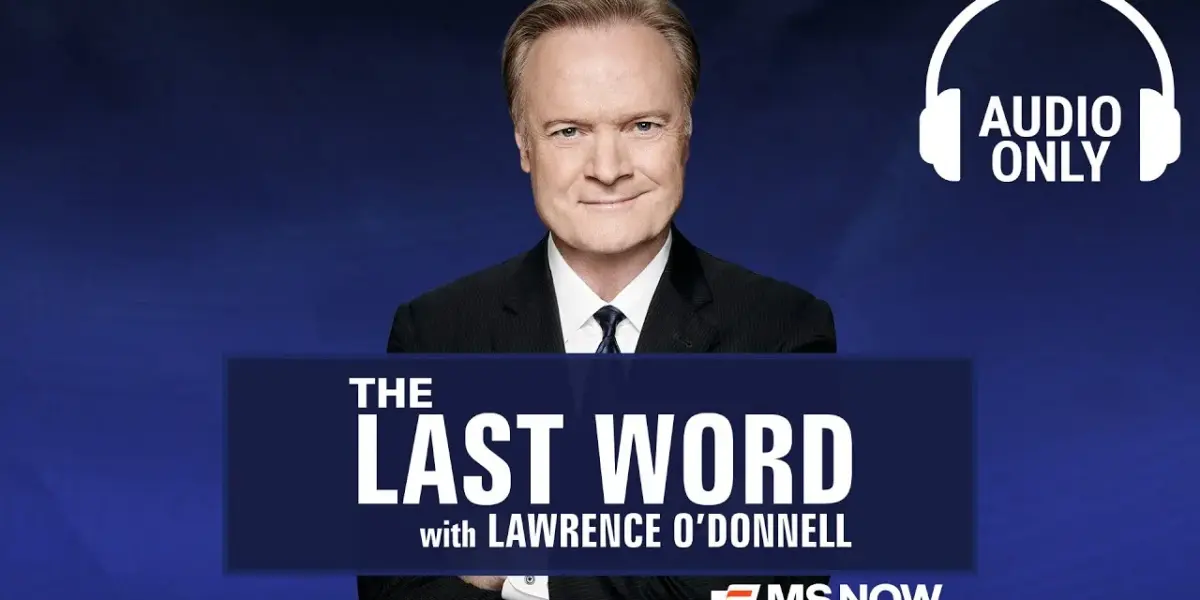
Lawrence O’Donnell, host of MSNBC’s “The Last Word,” has been particularly critical of these propaganda efforts, suggesting they reveal a profound misunderstanding of both war and the American public. “Donald Trump is pumping out videos not smart enough to be called childish that are aimed at his voters to inspire their support of his war,” O’Donnell stated. He argued that these videos demonstrate a deep-seated belief by Trump that his voters are “that stupid.”
The use of Vince Gilligan’s “Breaking Bad” characters, particularly the meth dealer Walter White, has been singled out. “Donald Trump wants you to admire that character and think of him that way. Donald Trump wants you to think that he is as cool as and as scary as a meth dealer in waging his war,” O’Donnell observed. He contrasted this with the gravity with which military families view the sacrifices of their loved ones.
NFL players have also voiced strong objections. Ryan Clark, a former Pittsburgh Steelers player featured in one of the videos, called the compilation “disgusting and despicable.” Clark criticized the conflation of war with sports and entertainment, stating, “There are families here in our country whose loved ones have decided to give their life to fight for our rights and our freedoms who don’t see war as a sport. War doesn’t deserve a highlight film for Tropic Thunder to be a part of it. War is not a comedy.” He further lamented the perceived loss of credibility, decorum, integrity, and character within the White House, distinguishing between a “public servant” and a “reality star.”
Economic Fallout and Misinformation Regarding Iran Conflict
Beyond the controversial propaganda, the administration’s handling of the conflict with Iran and its economic repercussions have also drawn scrutiny. Senator Gary Peters of Michigan, ranking member of the Senate Homeland Security Committee, expressed alarm over the administration’s apparent lack of preparedness and clear communication regarding potential threats stemming from the conflict.
Senator Peters highlighted concerns about increased terror threats and cyber attacks originating from Iran. “We know that we actually have to harden those facilities that in the past have always been a sanctuary,” Peters said, referring to places of worship, in the wake of a horrific attack on a synagogue in his home state. He criticized the Department of Homeland Security for failing to provide adequate information to local law enforcement, who are on the front lines of domestic security.
The critical Strait of Hormuz, a vital chokepoint for global oil and gas shipments, has become a focal point of concern. Despite President Trump’s assurances that the strait was safe and that there was “nothing to be afraid of,” the transcript indicates that at least 16 oil tankers and other commercial ships have been attacked in the Persian Gulf since the conflict began. “The International Energy Agency said the war in the Middle East is creating the largest supply disruption in the history of the global oil market. That’s Donald Trump’s definition of great shape,” O’Donnell remarked sarcastically.
Senator Peters also voiced frustration over the lack of planning for reopening the Strait of Hormuz. “We’re working on those plans now. You don’t work on those plans now. You work on those plans before the first shot is taken,” he stated, drawing on his Navy experience. He warned that disruptions could lead to weeks of economic fallout, impacting not only the global economy but also everyday Americans through rising prices for essential goods like fertilizers, which are critical for agriculture.
The economic consequences extend beyond oil prices. Congressman Brenton Boyle of Pennsylvania, ranking member on the House Budget Committee, pointed out that the war’s cost, estimated at $20-25 billion in its initial days, could have been used to extend Obamacare tax credits for a year. He further criticized the administration’s budget priorities, noting that significant tax cuts for the wealthy were passed alongside substantial cuts to healthcare, nutrition assistance, and education programs.
“When oil prices go up, we make a lot of money,” President Trump reportedly said, a statement O’Donnell deemed “the single stupidest thing ever said by any American politician, president, or anyone else about oil prices.” O’Donnell countered that while oil companies profit, consumers face higher prices for everything from gasoline to food, as the disruption of fertilizer shipments through the Strait of Hormuz impacts global agriculture.
Political Standoff Over TSA Funding
Adding to the week’s contentious issues, a political standoff in the Senate has led to a lack of funding for the Transportation Security Administration (TSA), resulting in longer airport security lines. Senate Democrats, led by Senator Adam Schiff of California, are insisting on reforms to immigration enforcement agencies like ICE and Border Patrol before agreeing to increased funding.
Senator Schiff argued against what he called a “false choice” presented by Republicans, who he claims are demanding billions more for these agencies without committing to meaningful reforms. “We are insisting on reform. We reject the false choice the majority would give us that we cannot reform ICE until we agree to give ICE billions more,” Schiff stated. He cited concerns over the agencies’ conduct, including alleged excessive force, lack of accountability, and the separation of families.
Republicans, however, are reportedly linking TSA funding to increased resources for ICE and Border Patrol, creating a stalemate that directly impacts air travelers. “People standing in TSA lines tomorrow morning and all day should know that the reason those lines are long is that Republicans have repeatedly this week refused to vote to fund TSA,” O’Donnell concluded.
Source: The Last Word with Lawrence O'Donnell – March 12 | Audio Only (YouTube)

Related Articles

Tiger Woods Arrested for DUI After Crash
Golf legend Tiger Woods was arrested for DUI in Florida following a dramatic rollover crash. Meanwhile, a government shutdown continues as House Republicans block a Senate deal, leading to airport chaos and TSA worker pay issues. The stock market also plummeted into correction territory amid fears of a prolonged Iran conflict.
Trump’s Name Everywhere: A ‘Stain’ on GOP Legacy?
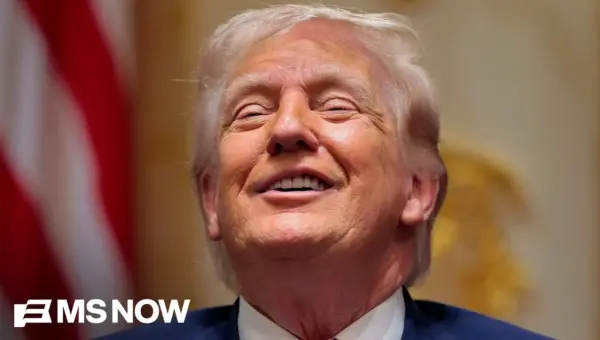
Former President Donald Trump's efforts to brand national symbols, including a proposed signature on dollar bills, spark debate. Critics view this as an authoritarian attempt to embed his legacy, potentially staining the Republican Party's history and contrasting with democratic ideals of public ownership.

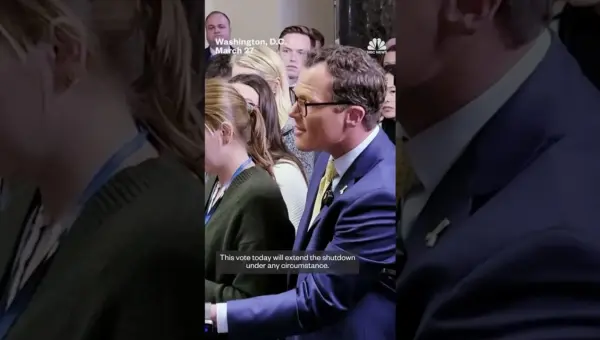
TSA Funding Fight Sparks Airport Chaos, Worker Exodus
TSA officers will soon receive back pay after President Trump signed an emergency order, but the ongoing congressional funding fight continues to cause airport chaos. Long security lines and a significant number of TSA officer resignations highlight the deep divisions over border security measures, leaving travelers frustrated.