Trump’s Election Power Grab: A Midterm Coup Threat?
Concerns are mounting over Donald Trump's potential to interfere with midterm elections, possibly by leveraging emergency powers or pushing for voter suppression legislation like the SAVE Act. This analysis examines the historical context, legal limitations, and alarming tactics, including deepfakes and disinformation, that could be employed to undermine electoral integrity.

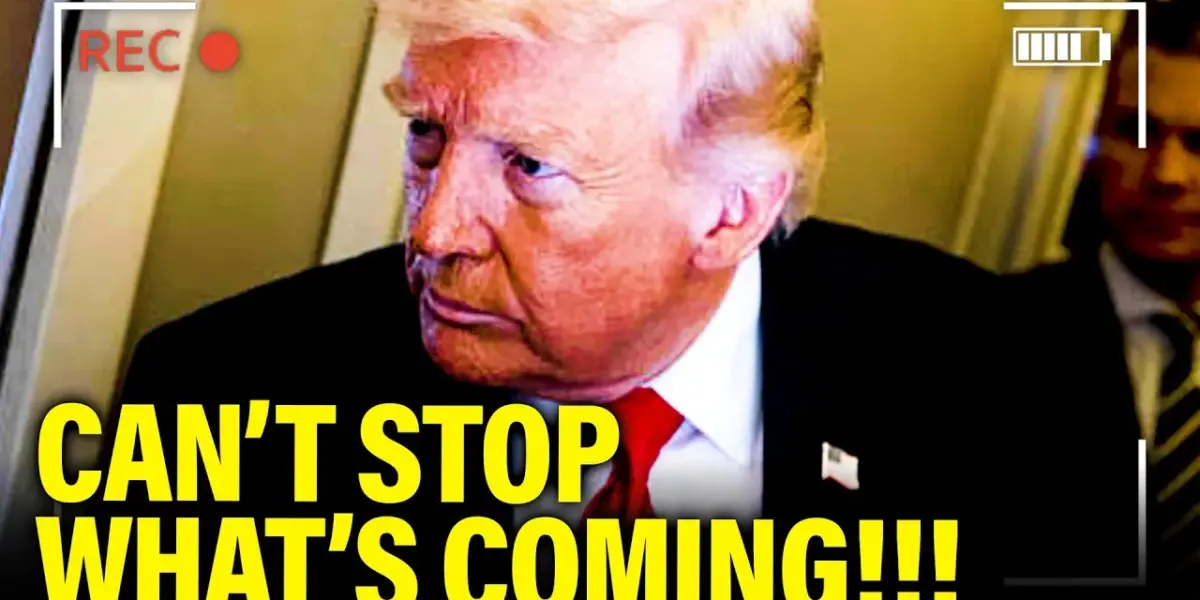
Trump’s Midterm Gambit: Demanding Control Over Elections
The specter of Donald Trump attempting to interfere with the upcoming midterm elections is not a distant hypothetical but a present and concerning reality. Despite the apparent legislative hurdles, the former president’s rhetoric and past actions suggest a willingness to explore any avenue, however constitutionally dubious, to influence or even control the electoral process. This analysis delves into the potential strategies Trump might employ, drawing parallels to historical precedents and examining the legal and practical limitations he faces, while also considering the broader implications for American democracy.
The SAVE Act and the Push for Voter Suppression
Central to the current discussion is Donald Trump’s demand for the passage of the SAVE Act, a piece of legislation that critics argue would significantly suppress voter turnout. The transcript highlights Trump’s insistence that this act is crucial for Republican electoral success, stating, “They are doing everything possible because they know if we get this, they’ll probably won’t win an election for 50 years.” This underscores a strategic objective: to reshape the electorate in a way that favors his party, a tactic that has drawn sharp criticism for its potential to disenfranchise voters.
The article points out that Trump is prepared to veto other legislation unless the SAVE Act is passed by the Senate. This leverage play, even with uncertain legislative support, signals a determined effort to enact policies that could restrict voting methods. The transcript notes, “Trump has no power to decree that voters must present ID or end mail-in balloting, but that doesn’t mean he can’t at least try.” This highlights the tension between Trump’s ambitions and the existing legal framework, which largely reserves election administration powers for the states and Congress.
Exploiting Emergency Powers: A Constitutional Minefield
A more alarming potential strategy involves the exploitation of emergency powers. The National Emergencies Act provides a statutory framework for presidential action during crises, but as the transcript clarifies, these powers are “specific and curtailed” and “tailored to the situations that Congress has anticipated.” Crucially, there is no constitutional delegation of power to the president to alter election procedures. “There is, and let’s be absolutely clear about this, there is no delegation of constitutional power to the president of the United States to do anything visav elections. The states have that power and congress has that power.”
Despite these limitations, the possibility of Trump declaring a state of emergency to justify extraordinary measures remains a significant concern. The transcript outlines a chilling hypothetical scenario: Trump could declare an emergency and, citing invented crises, implement measures such as outlawing early voting, ending mail-in balloting, or requiring specific voter IDs, potentially culminating in an announcement to postpone the election itself. This echoes the sentiment that “Trump is planning a November coup d’etat,” as suggested by a New Republic article cited in the transcript.
Historical Precedents and the Lincoln Analogy
To underscore the gravity of such potential actions, the transcript invokes a powerful historical parallel: Abraham Lincoln’s decision to hold the presidential election of November 8, 1864, amidst the Civil War. Despite facing significant opposition and an uncertain outcome, Lincoln proceeded with the election, demonstrating a commitment to democratic processes even in the nation’s darkest hour. The contrast with Trump’s alleged threats, which stem from anticipation of poor midterm results based on “false pretenses of invented or perhaps created crisis,” is stark. This historical context serves as a potent reminder of the fundamental importance of conducting elections as scheduled, regardless of political expediency.
The Role of the Courts and Executive Authority
Even if Trump were to attempt such extraordinary measures, the legal challenges would be immediate. The hypothetical scenario includes the Supreme Court issuing an emergency stay. However, the transcript raises a disquieting question: “But the court has no army and Trump does along with a handful of lickspittle governors who just might follow him down whatever dark path he plows.” This points to a potential breakdown in the separation of powers, where executive authority, backed by a loyal base and potentially sympathetic state actors, could challenge judicial and legislative checks and balances.
Amplifying Threats: Deepfakes, Disinformation, and Federal Agents
The potential for election interference extends beyond direct presidential action. The transcript details several other concerning tactics:
- Deepfake Technology: The sophisticated use of AI-driven deepfakes could be employed to create fabricated images or videos, such as those appearing to show ICE agents at polling stations, designed to intimidate voters, particularly minority groups, and suppress turnout.
- Disinformation Campaigns: The amplification of false information, potentially in coordination with foreign adversaries like Russia, could further sow confusion and distrust in the electoral process.
- Federal Agents at Polls: The explicit threat of deploying ICE agents or federal troops to polling places, as mentioned by one commentator, would have a significant chilling effect on voters.
Senator Mark Warner expresses deep concern about these possibilities, noting that Trump “does not follow the rule of law.” He emphasizes that while paper ballots and state-run elections offer some safeguards, the primary concern is ensuring voters can actually cast their ballots. This sentiment is echoed by those advocating for proactive measures to protect election integrity.
The Call to Action: Protecting Democracy
In the face of these potential threats, the transcript issues a clear call to action. It emphasizes the need for vigilance and active participation from citizens. Organizations like Indivisible and Red, Wine, and Blue are highlighted as crucial resources for those looking to get involved. The message is urgent: “We have to be able to stick together. Those of us who are in media or journalism have got to be able to report the truth.” Protecting marginalized groups, who are likely to be specifically targeted, is also a critical component of this effort.
The piece concludes with a stark assessment: “We are in such uncharted territory.” The current political climate is described as a “criminal syndicate running our government,” and the urgency of protecting elections is paramount. The sentiment that “every election is critical because too many people didn’t pay attention for too long” serves as a powerful reminder of the stakes involved in safeguarding democratic processes.
Why This Matters
The concerns raised in this analysis are not merely partisan talking points; they strike at the heart of American democratic institutions. The potential for a sitting president, or a former president seeking a return to power, to undermine or manipulate election outcomes represents an existential threat to the peaceful transfer of power and the will of the electorate. The discussion around the SAVE Act and the potential misuse of emergency powers highlights a critical juncture where the rule of law is being tested against a desire for unchecked executive authority. The historical context provided by the Lincoln election serves as a vital reminder of the foundational principles that underpin a functioning democracy, principles that appear to be under unprecedented strain.
Implications, Trends, and Future Outlook
The trends discussed – the weaponization of election integrity claims, the exploration of emergency powers, and the use of disinformation – are likely to persist and evolve. The increasing sophistication of AI and deepfake technology presents new challenges for verifying information and maintaining public trust. The reliance on state-level election administration, while a safeguard against federal overreach, also means that the integrity of elections can vary significantly from one state to another, creating a patchwork of vulnerabilities. The future outlook suggests a continued need for robust civic engagement, vigilant oversight from media and watchdog groups, and a strong commitment from all branches of government to uphold democratic norms and legal processes. The political polarization evident in the transcript indicates that partisan actors may continue to exploit divisions to advance their agendas, making the defense of democratic institutions a perpetual challenge.
Source: Trump Demands SAVE Act Even as Bill Appears DOA (YouTube)

Related Articles
Voter ID: Common Sense or Suppression?
A growing debate surrounds voter ID laws, with proponents calling them a common-sense measure against fraud and opponents fearing voter suppression. Many countries and U.S. states already require ID to vote.
Trump’s Name Everywhere: A ‘Stain’ on GOP Legacy?
Former President Donald Trump's efforts to brand national symbols, including a proposed signature on dollar bills, spark debate. Critics view this as an authoritarian attempt to embed his legacy, potentially staining the Republican Party's history and contrasting with democratic ideals of public ownership.
Trump’s War Talk Stuns Financial Crowd
Donald Trump's recent speech in Miami focused on his foreign policy, particularly his critical views on NATO and his vision for international relations. He declared the U.S. would no longer defend NATO allies, questioned the value of existing alliances, and suggested renaming the Strait of Hormuz. The speech also touched on his personal views of success, his allies, and his perceived role as a global peacemaker.