Trump’s Election Probe Fuels Midterm Anxiety
The DOJ's renewed scrutiny of the 2020 election, particularly in Arizona and Georgia, raises concerns about political motivation as midterms approach. Investigations into flawed audits like the 'Cyber Ninjas' probe are fueling distrust and legal challenges.

Trump’s Election Probe Fuels Midterm Anxiety
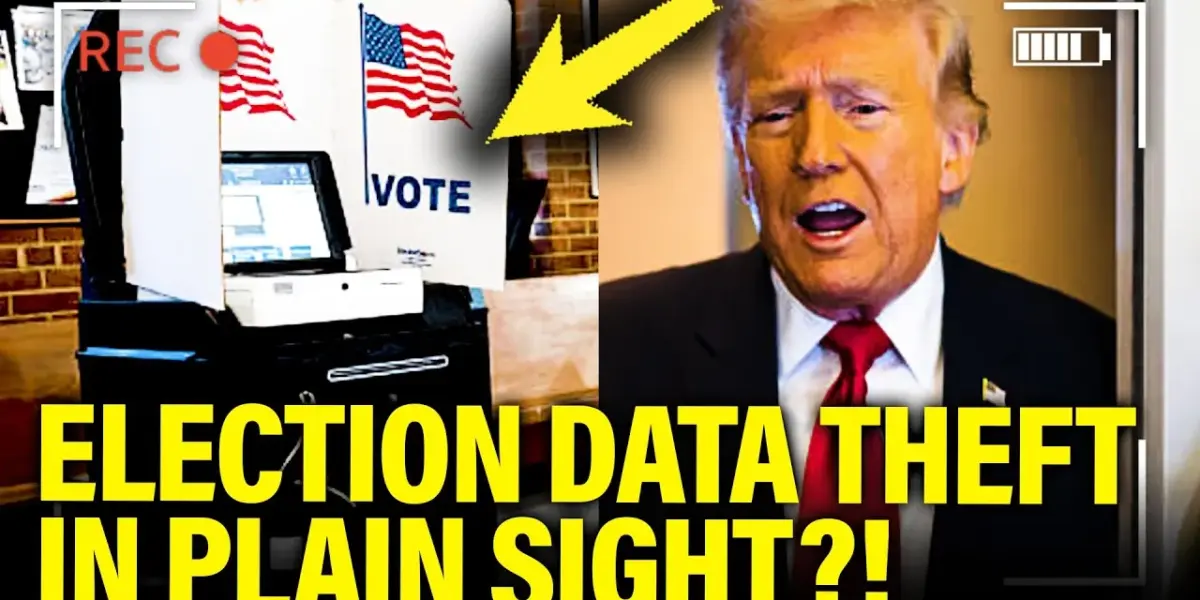
In a move that has ignited fresh controversy and raised concerns about the weaponization of law enforcement, the Department of Justice (DOJ) is reportedly intensifying its scrutiny of the 2020 election. This renewed focus, particularly in key swing states like Arizona and Georgia, comes as the nation approaches the crucial midterm elections, leading to accusations that these investigations are politically motivated distractions from pressing national issues, such as ongoing international conflicts.
Arizona’s Attorney General Condemns DOJ Actions
The latest development involves the FBI issuing a grand jury subpoena to the President of the Arizona State Senate, seeking digital data related to a controversial third-party audit of the 2020 election. This action has drawn sharp criticism from Arizona’s Attorney General, Chris May, who stated, “What the Trump administration appears to be pursuing now is not a legitimate law enforcement inquiry. It is the weaponization of federal law enforcement in service of crackpots and lies.” This sentiment is echoed by many who see these investigations as an attempt to relitigate the past election rather than address current concerns.
The Shadow of the Cyber Ninjas Audit
The digital data sought by the FBI originates from the “Cyber Ninjas” audit, a private, Republican-commissioned review of the 2020 election results in Maricopa County, Arizona. This audit, conducted after official canvasses and recounts had already confirmed Joe Biden’s victory, was plagued by controversy and procedural issues. Despite its dubious methodology and the fact that the original ballots from 2020 have been destroyed in accordance with Arizona law (ballots are typically destroyed 10 years after an election), the audit’s findings are now the subject of federal interest.
The Cyber Ninjas audit itself was an attempt to validate unsubstantiated claims of widespread fraud. For instance, the auditors controversially claimed that 75,000 mail-in ballots were counted despite not being mailed out, a discrepancy later attributed to ballots issued to individuals during early voting periods. Even with these glaring errors and the need for court intervention to ensure transparency and accountability during the audit process, the Cyber Ninjas’ own review, according to reports, found no evidence of fraud and even noted a few hundred extra votes for Biden. The fact that the FBI is now seeking data from such a compromised and widely discredited audit raises significant questions about the nature and purpose of their investigation.
Nationalizing Election Concerns?
Commentators have noted that this focus on state-level election data aligns with statements from Donald Trump and other political figures who have expressed a desire to “nationalize” election integrity issues. The states most frequently mentioned in this context – Arizona, North Carolina, and Georgia – are all critical battlegrounds for both major parties. The FBI’s actions in Arizona and Georgia, where a judicial warrant was previously used to seize ballots, suggest a coordinated effort to gather information about the 2020 election across these pivotal states.
Legal Challenges and Voter Rights
The use of grand jury subpoenas, as opposed to warrants requiring probable cause, has also raised concerns. Arizona officials had previously advised county election officials not to comply with such subpoenas, fearing they could be used as a backdoor to access private voter information, circumventing federal court rulings that have blocked the DOJ’s attempts to collect private voter data from several blue and swing states. While court orders have supported states in protecting private voter information, the Arizona State Senate President’s compliance with the subpoena has led to a potential workaround. This has prompted the Democratic governor of Arizona to consider legal action to ascertain whether private information was indeed handed over and how it will be used.
The situation is viewed by many as another threat to voting rights, particularly in the lead-up to the midterms, when concerns about election security are often amplified. The narrative that only “the right people” will be voting, as suggested by some political figures, further fuels anxieties about potential voter suppression tactics.
Why This Matters
The ongoing investigations into the 2020 election, especially when amplified by political figures seeking to influence public opinion, have significant implications. They risk undermining public trust in electoral processes, regardless of the findings. The timing, so close to the midterms, suggests a potential strategy to mobilize a specific voter base by continuing to sow doubt about election integrity. Furthermore, the focus on controversial audits and the methods employed by the DOJ raise serious questions about the appropriate use of federal investigative powers and the potential for political motivations to influence law enforcement actions.
Historical Context and Future Outlook
The post-2020 election landscape has been marked by persistent challenges to the results, fueled by claims of widespread fraud. These claims have been repeatedly debunked by numerous audits, recounts, and court rulings across the country. The current DOJ actions appear to be engaging with the remnants of these debunked theories, particularly through the lens of the flawed Cyber Ninjas audit. This historical context is crucial for understanding the current events not as isolated incidents, but as part of a sustained effort to question electoral outcomes.
Looking ahead, the outcome of these investigations, and the legal challenges that may arise from them, could set precedents for how election data is handled and how federal agencies interact with state election processes. The debate over election integrity is likely to remain a central theme in American politics, and the actions taken by the DOJ and the responses from state officials will be closely watched. The ultimate concern is whether these inquiries will serve to clarify or further obscure the truth about the 2020 election, and what impact this will have on future democratic processes.
Source: Trump SHOCK ELECTION MOVE Revealed as War DISTRACTS (YouTube)

Related Articles

Trump Halts Iran Strikes Amid Stalled Diplomacy
President Trump announced a pause on planned strikes against Iran, citing productive talks, though Iran denies negotiations occurred. Reports also suggest a potential U.S. ground operation on Iran's Hark Island. The situation raises concerns about international support for Ukraine and potential shifts in U.S. foreign policy.

DOJ Official’s Remarks Spark Outrage Over Political Allegations
A top Trump DOJ official's speech at CPAC has sparked controversy, with claims of incriminating admissions regarding fears of prosecution and alleged political motivations. The remarks have raised serious questions about impartiality within the Department of Justice.


Trump’s ‘Board of Peace’ Crumbles Amidst Global Conflict
Donald Trump's 'Board of Peace,' launched with grand ambitions from Davos, faced immediate scrutiny over its $1 billion permanent membership fee. Despite attempts to secure ceasefires, the initiative appeared to falter as global conflicts, including strikes on Iran, escalated, leaving its intended purpose overshadowed.