Trump Urges Oil Firms to Use Hormuz Amid Price Cut Deal
President Donald Trump has reportedly urged oil companies to continue using the Strait of Hormuz, a vital but increasingly dangerous oil transit route. This initiative coincides with the administration's decision to tap into strategic oil reserves to combat rising energy costs.

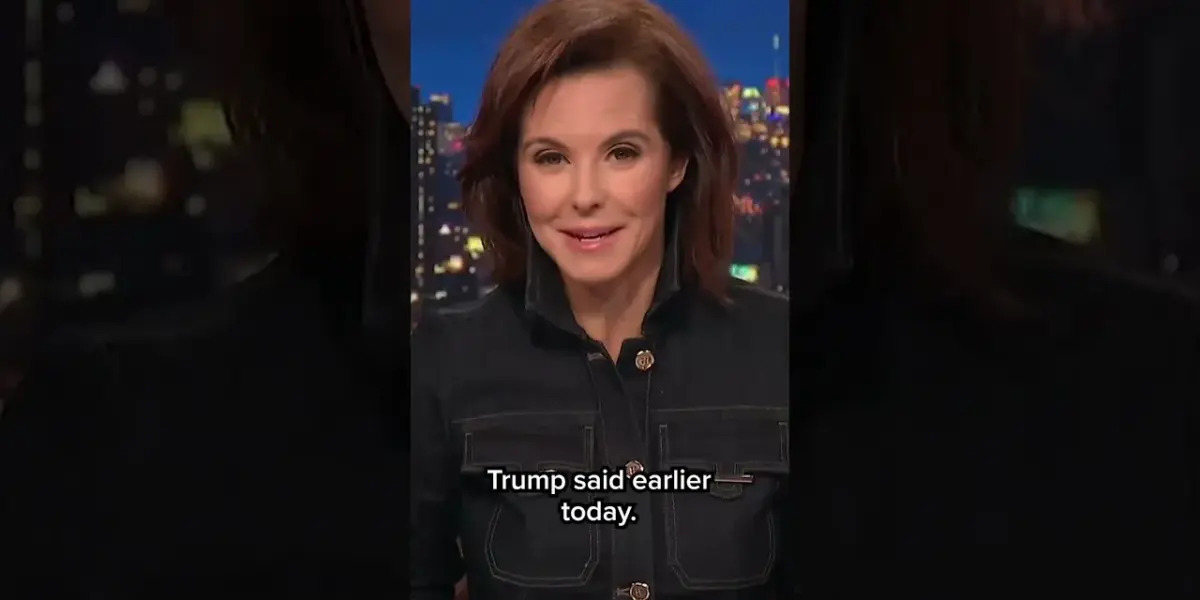
Trump Encourages Oil Companies to Navigate Strait of Hormuz Amid Attacks
In a move that has drawn significant attention, President Donald Trump has reportedly encouraged oil companies to utilize the Strait of Hormuz, a critical chokepoint for global oil transport, even as the region faces heightened tensions and attacks. This directive comes concurrently with an agreement by the Trump administration to tap into the nation’s strategic oil reserves in an effort to lower energy costs for consumers. The dual actions highlight the administration’s complex approach to energy policy, seeking both price stability and a demonstration of American influence in a volatile geopolitical landscape.
Strategic Oil Reserves Tapped to Cushion Price Increases
The decision to release oil from the Strategic Petroleum Reserve (SPR) is a significant tool in the U.S. government’s arsenal to influence global oil prices. The SPR, holding vast quantities of crude oil, can be tapped during emergencies or when supply disruptions threaten to cause sharp price increases. By releasing oil, the administration aims to increase supply on the market, thereby putting downward pressure on prices. This measure is often employed to provide immediate relief to consumers and businesses struggling with high energy bills.
The timing of this release, alongside President Trump’s remarks regarding the Strait of Hormuz, suggests a coordinated effort to manage both supply and perceived risk in the oil market. While the exact volume and timeline for the SPR release were not specified, the intent is clear: to mitigate potential price shocks stemming from geopolitical instability.
Navigating the Strait of Hormuz: A Risky Proposition
The Strait of Hormuz, a narrow waterway connecting the Persian Gulf to the open ocean, is one of the world’s most vital maritime trade routes, particularly for oil. Approximately 30% of the world’s seaborne oil trade passes through this strait daily. However, the region has been a flashpoint for international conflict, with Iran frequently threatening to disrupt shipping traffic. Recent attacks on oil tankers in and around the strait have amplified these concerns, creating a climate of uncertainty and risk for shipping companies.
President Trump’s reported encouragement for oil companies to continue using the strait, despite the dangers, can be interpreted in several ways. It could be a signal of confidence in the U.S. Navy’s ability to ensure freedom of navigation, a strategic message to Iran asserting that such threats will not deter global commerce, or an attempt to pressure oil companies to absorb some of the risk associated with operating in hostile waters.
“The president has encouraged oil companies to use the Strait of Hormuz. This is happening at the same time that they are agreeing to tap into strategic oil reserves to cut energy costs.”
– Stephanie Ruhle, MSNBC
Broader Geopolitical Implications
The administration’s dual approach—releasing oil reserves and encouraging passage through a contested strait—carries significant geopolitical weight. On one hand, tapping the SPR signals a commitment to market stability and consumer relief, a potentially popular move domestically. On the other hand, urging companies to brave the Strait of Hormuz amidst attacks could be seen as a provocative stance towards Iran, potentially escalating tensions in an already fragile region.
This policy also raises questions about the role of the U.S. military in ensuring the security of global energy supply routes. The administration’s actions imply a willingness to expend resources, both strategic reserves and potentially military assets, to maintain the flow of oil. This could set precedents for future responses to similar crises, shaping international expectations regarding U.S. intervention in energy security matters.
Economic Considerations and Market Reactions
The effectiveness of these measures in controlling energy costs remains to be seen. While SPR releases can offer short-term price relief, their impact is dependent on the scale of the release and the underlying market conditions. Persistent geopolitical instability or significant supply disruptions can quickly outweigh the effects of such interventions.
Furthermore, the encouragement to use the Strait of Hormuz, while intended to signal resilience, also exposes oil companies to potentially significant risks. Insurance costs for vessels transiting the area could rise, and any successful attack could lead to substantial financial losses and further market volatility. The decision by companies to heed the president’s encouragement will likely be a calculated risk assessment, balancing potential profits against security concerns.
What’s Next?
The coming weeks and months will be crucial in determining the impact of these decisions. Attention will be focused on the volume and duration of the SPR release, the actual response from oil companies regarding transit through the Strait of Hormuz, and the broader geopolitical reactions from regional powers, particularly Iran. The effectiveness of these policies in stabilizing energy prices and maintaining global energy security will be closely monitored by markets, governments, and consumers worldwide.
Source: Ruhle: Trump encourages oil companies to use Strait of Hormuz amid attacks (YouTube)

Related Articles
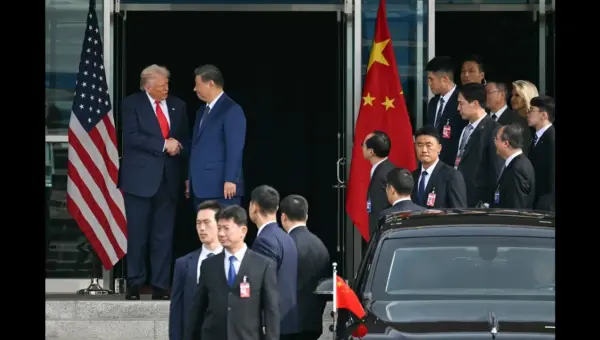
Trump’s “Walk Away” Tactic Signals Tougher Stance on China
Retired Air Force Brigadier General David Stillwell believes President Trump's strategy of being willing to walk away from negotiations puts pressure on China. This tactic, combined with US global actions and strengthened alliances, signals a more assertive American foreign policy.
China Fights Back: Tariffs Loom Ahead of Trump Visit
China is retaliating against US trade investigations that could lead to higher tariffs. This escalating trade tension occurs just before a planned visit by President Trump. The dispute involves accusations of unfair practices and impacts global supply chains.


Israelis Forge Resilience Amidst Constant Bomb Shelter Drills
Life in Israel is a blend of resilience and constant vigilance, with many families adapting to frequent bomb shelter drills and even sleeping in makeshift shelters. Despite ongoing missile attacks, Israelis strive to maintain normalcy, though businesses face disruption and emotional fatigue is a growing concern.