Trump Drives Democracy Off Cliff, Expert Warns
Donald Trump's rhetoric and actions regarding election integrity, particularly in Arizona, are raising alarms about a deliberate campaign to undermine democratic processes. Experts warn this could lead to authoritarianism if not actively countered through legal action, public education, and courageous leadership.

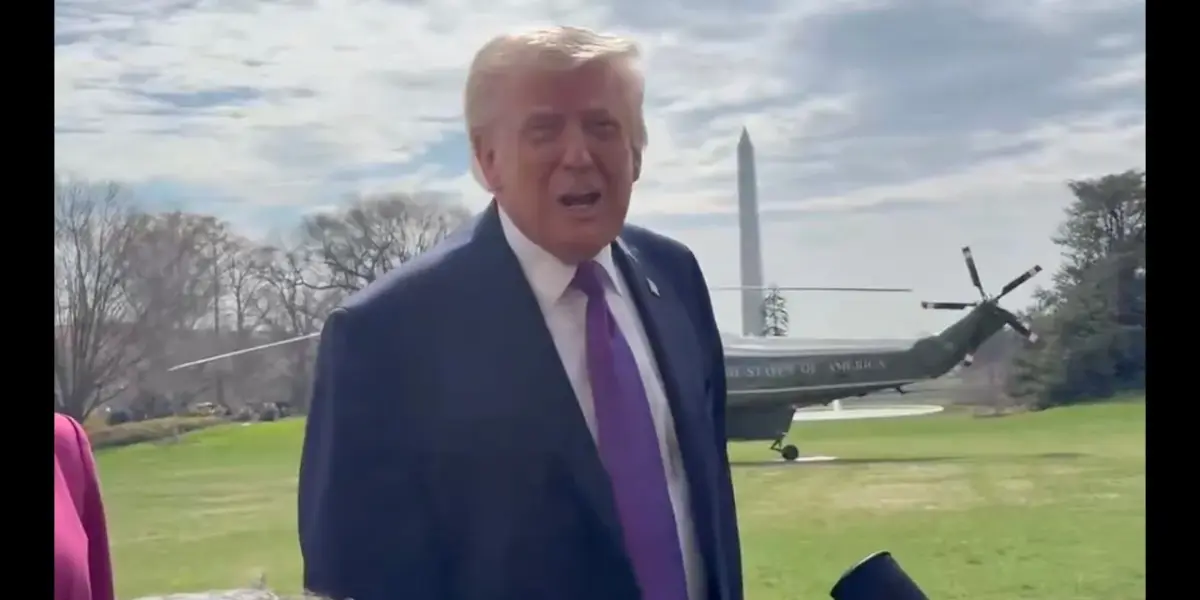
Trump Escalates Election Interference Efforts, Analysts Warn of Grave Danger
Recent statements by Donald Trump regarding the seizure of election records in Arizona, coupled with his broader rhetoric about rigged elections, have ignited serious concerns among legal experts and democracy advocates. These actions are being framed not merely as political posturing, but as a deliberate and escalating campaign to undermine electoral integrity and potentially seize power through undemocratic means. The core argument presented is that Trump is actively seeking to create pretexts for claiming widespread fraud, thereby justifying extraordinary measures to interfere with future elections.
Arizona and Beyond: A Pattern of Allegations
The focus on Arizona is particularly significant. Trump has publicly questioned the FBI’s seizure of election records, suggesting it implies a rigged election. However, this narrative directly contradicts findings from previous audits, including the widely publicized “Cyber Ninjas” review commissioned by Republicans in Arizona. This audit, rather than uncovering fraud, reportedly found that Joe Biden’s vote margin actually increased. This discrepancy highlights a central theme: Trump’s claims of election fraud are often at odds with official findings and even audits conducted by his own allies.
Analysts argue that this pattern is not isolated to Arizona. The transcript mentions Trump’s alleged efforts to seize ballots in Georgia and the FBI subpoenaing ballots in Maricopa County, Arizona. Furthermore, there are reports of ICE potentially being involved and the Department of Justice seeking access to sensitive voter data across all 50 states. This coordinated effort, described as a “full court press,” is seen as a systematic attempt to manipulate the electoral process.
The “Authoritarian” Playbook
A recurring and alarming assertion is that Donald Trump’s ultimate goal is to become an authoritarian leader. His current actions, according to this perspective, are not aimed at addressing pressing policy issues like gas prices or job growth. Instead, his singular focus is on subverting elections and rigging outcomes. This is allegedly being pursued through a demand that Republicans in Congress pass a massive voter suppression bill, which would include eliminating all mail-in ballots.
The argument is that Trump operates outside the bounds of traditional political accountability. Unlike conventional politicians who might be deterred by accusations of lying or shame, Trump reportedly lacks these inhibitions. His disregard for factual accuracy and his embrace of a self-serving reality are seen as key to understanding his strategy. Fact-checking, while important for public awareness, is deemed insufficient to deter someone who is not operating in good faith or adhering to objective reality.
A Call to Action: Fighting for Democracy
In the face of this perceived threat, a strong emphasis is placed on proactive measures. The creators of the transcript advocate for a multi-pronged approach:
- Litigation: Legal battles in court are seen as crucial, with experts like Mark Elias actively engaged in numerous cases.
- Education and Information: Public awareness is paramount. Staying informed through reliable sources like Democracy Docket and subscribing to channels that provide in-depth analysis is encouraged.
- Bold Leadership: Political and institutional leaders, as well as business and civil society figures, are urged to demonstrate courage and stand firm against pressure, refusing to cower to Trump’s demands or rhetoric.
The transcript stresses that the pro-democracy movement must match Trump’s intensity, if not exceed it. This involves not only fighting legal battles but also amplifying voices that are committed to truth and democratic principles.
Historical Context and Escalation
The current actions are viewed as a continuation and escalation of past efforts. Trump’s history of questioning election results, including unsubstantiated claims of Chinese interference in the 2020 election and a presidential memorandum that could have granted him extraordinary powers, provides a historical backdrop. His recent statements about needing Republicans to “take over” voting in specific areas, mentioning “15 places,” are interpreted as a blueprint for future interference, potentially targeting numerous cities and states.
The Urgency of the Moment
There is a palpable sense of urgency, with analysts concerned that Trump has ample time to implement his schemes before the next election. The argument is that he has the “full force of the federal government” behind him, including agencies like the Department of Justice, ICE, and the FBI, which can be leveraged to impede progress and resources. Therefore, the response must be smarter, nimbler, and more courageous.
A particularly controversial, yet central, point raised is the potential connection to the Epstein files. It is suggested that Trump’s behavior and the handling of these files might be motivated by a desire to suppress information that could expose personal corruption or have wider implications, including potential connections to his political motivations.
The Stakes: Broken Institutions and the Future of Democracy
The ultimate concern is the potential for irreversible damage to democratic institutions. If democracy is perceived to have “gone off a cliff” and these institutions are broken, they may not magically reappear. The risk is not just losing an election, but fundamentally breaking the mechanisms that allow for a functioning democracy, making recovery for future elections, such as 2028, exceedingly difficult, if not impossible.
The call to action extends to building a network of diverse voices within the pro-democracy ecosystem, recognizing that different perspectives, from music and culture to policy and law, can all contribute to raising awareness and fostering resistance against what is described as an authoritarian agenda.
Why This Matters
This analysis underscores the critical importance of vigilance in safeguarding democratic processes. The allegations of deliberate election interference, if true, represent a direct assault on the foundational principles of representative government. The assertion that these actions are driven by a desire for authoritarian power, rather than legitimate policy concerns, paints a stark picture of the stakes. The historical context provided suggests a pattern of behavior that, if unchecked, could lead to the erosion of democratic norms and institutions. The emphasis on proactive measures—litigation, education, and courageous leadership—highlights that the defense of democracy requires active participation and unwavering commitment from individuals and institutions alike.
Implications, Trends, and Future Outlook
The implications of these alleged schemes are profound. If successful, they could lead to a significant shift in the American political landscape, potentially normalizing election denial and authoritarian tactics. The trend toward weaponizing legal processes and public discourse to challenge electoral outcomes appears to be intensifying. The future outlook hinges on the collective response of citizens, legal bodies, political leaders, and institutions. The warning is clear: complacency or underestimation of the threat could have dire, long-term consequences for the stability and legitimacy of democratic governance.
Source: “Off a cliff!” Trump’s biggest enemy issues BOMBSHELL warning (YouTube)

Related Articles


Jane Fonda Warns of ‘Existential Crisis’ Amid Protests
Jane Fonda has issued a stern warning about widespread attacks on the First Amendment, urging Americans to defend their freedoms. The veteran activist highlighted the growing number of large-scale protests as a sign of public concern and a crucial opportunity to address both democratic erosion and the climate crisis.

Voter ID: Common Sense or Suppression?
A growing debate surrounds voter ID laws, with proponents calling them a common-sense measure against fraud and opponents fearing voter suppression. Many countries and U.S. states already require ID to vote.
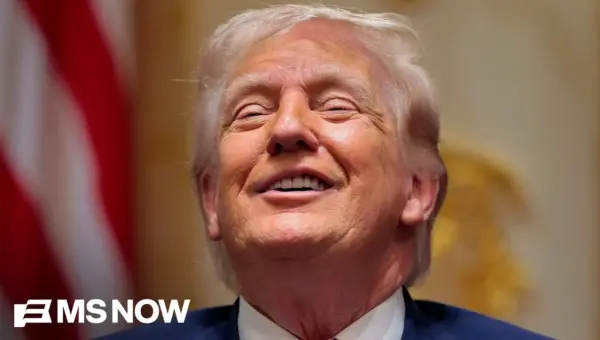
Trump’s Name Everywhere: A ‘Stain’ on GOP Legacy?
Former President Donald Trump's efforts to brand national symbols, including a proposed signature on dollar bills, spark debate. Critics view this as an authoritarian attempt to embed his legacy, potentially staining the Republican Party's history and contrasting with democratic ideals of public ownership.