Trump’s Iran Strategy Achieved Goals, Ex-Advisor Says
Former National Security Advisor Robert O'Brien stated that President Trump has successfully achieved his primary objectives concerning Iran, dismantling its nuclear and ballistic missile programs and curbing regional aggression. O'Brien detailed the strategic clarity of the Trump administration's approach, emphasizing that key goals have been met.

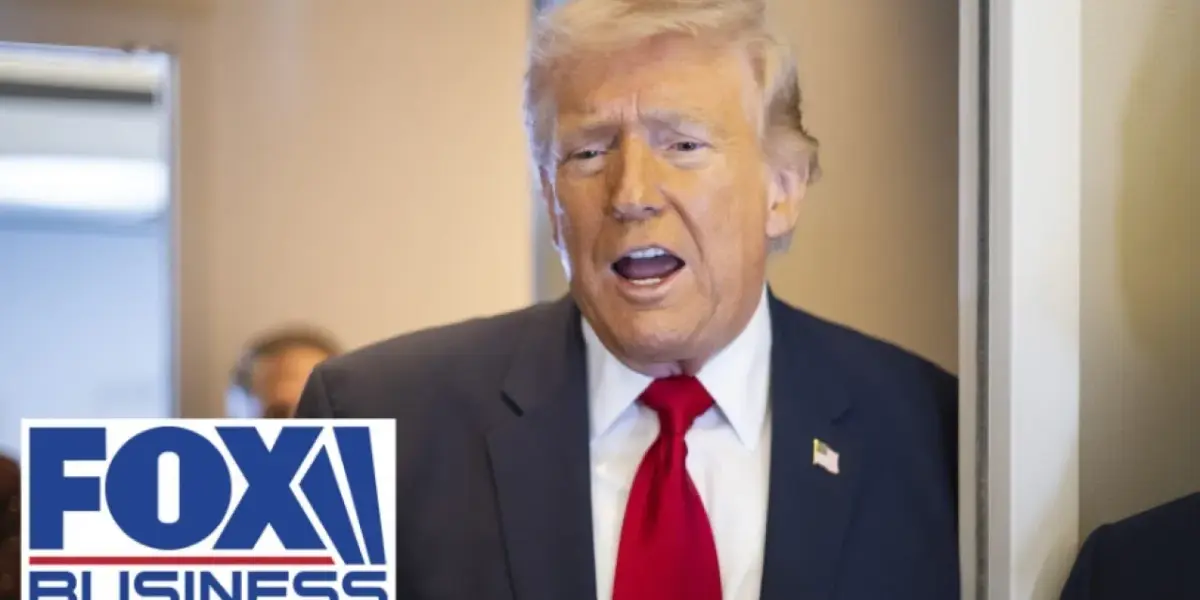
Trump Achieves Key Iran Objectives, Former National Security Advisor Reports
Former National Security Advisor Robert O’Brien stated that President Trump has successfully achieved his primary objectives concerning Iran, effectively concluding a military campaign aimed at dismantling the nation’s nuclear and ballistic missile programs, and curbing its regional aggression. O’Brien, speaking in a recent interview, detailed the strategic clarity of the Trump administration’s approach, emphasizing that the stated goals have been met.
Defining the Objectives
According to O’Brien, President Trump’s aims in Iran were explicitly defined and pursued with a clear strategy. These objectives included:
- Eliminating Iran’s nuclear weapons program.
- Dismantling its ballistic missile program.
- Ceasing Iranian-sponsored terrorism and proxy activities in the region.
O’Brien asserted that these three critical goals have been accomplished through a sophisticated and well-planned military campaign, including bombardments and the destruction of Iran’s manufacturing base. “He’s done the three things in the campaign is been explicit and they really destroyed Iran,” O’Brien remarked, suggesting that the military actions have significantly degraded Iran’s capabilities.
The Strait of Hormuz and Future Implications
A significant point of discussion revolved around the Strait of Hormuz, a vital shipping lane that Iran has historically threatened to close. O’Brien explained that the military actions have effectively neutralized Iran’s capability to disrupt maritime traffic. “The Strait of Hormuz will be open for two primary reasons. Number one taking out the capability of the Rain is to close the Strait and do that with mines and see mines and seed the mines with aircraft in the Navy,” he stated. The Fifth Fleet, he added, is fully capable of escorting tankers through the strait.
Furthermore, O’Brien highlighted the strategic decision not to destroy Kharg Island, Iran’s primary oil export terminal. This decision, he believes, signals President Trump’s hope for a future regime change and a desire not to cripple the Iranian people’s ability to rebuild their economy. “The President has not destroyed its which knowing you know if we wanted to destroy the country and because he thinks it may be a new government and Iran and he doesn’t want to hurt the Iranian people he wants him to be able to export their oil and rebuild their economy in the country,” O’Brien explained.
The Question of Regime Change
While President Trump’s stated objectives have been met, the future of Iran’s government remains a critical question. O’Brien acknowledged that while regime change would be ideal, President Trump’s actions suggest a pragmatic approach. “It would be nice to have a regime change because the regime change will go back to do this all over again and so I think it like to have a new government in the land one he can deal with,” O’Brien said. However, he noted that the administration’s actions, particularly sparing Kharg Island, indicate a willingness to allow for the possibility of a new government that could potentially engage with international partners.
The former National Security Advisor also touched upon the possibility of back-channel discussions with elements within the Iranian government or opposition. “We’re certainly talking to a rainy is on a regular basis for the opposition leaders and Crown Prince, the Shaw better we talk to people inside of Iran my guess is yes,” O’Brien speculated. He believes that individuals within the Iranian military and Revolutionary Guard recognize the futility of the current path and may be open to engaging with the U.S. for the future of their country.
Looking Ahead
As the situation evolves, the focus will likely shift to how Iran responds to its degraded military capabilities and economic pressures. The potential for internal political shifts within Iran, coupled with ongoing diplomatic or covert communications, will be crucial to watch. The international community will also be monitoring the stability of the Strait of Hormuz and the broader geopolitical implications of the U.S. strategy’s success in curbing Iran’s regional influence.
Source: President Trump was 'very clear' about his aims in Iran, former national security advisor says (YouTube)

Related Articles


US Must Block China’s Tech Access for Security
US national security experts are raising alarms about China's access to advanced AI chips, arguing it threatens strategic advantages. This, coupled with charges against Chinese entities for fentanyl precursor sales and a ban on foreign routers, signals a growing effort to prioritize security over business ties.

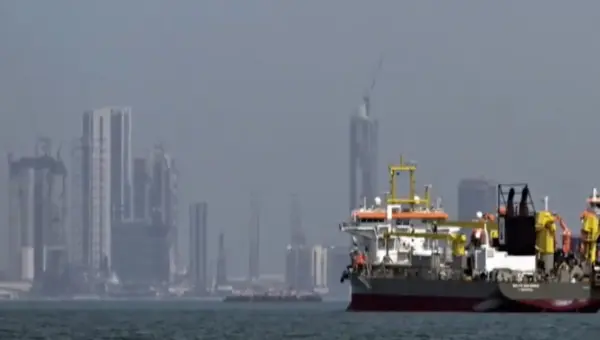
Iran Blocks China Ships, Exposing Beijing’s Weak Grip
Iran's recent decision to block Chinese ships at the Strait of Hormuz is exposing the limits of Beijing's influence in the Middle East. This action is causing delays and cancellations for Chinese manufacturers, turning a perceived geopolitical win into an economic strain.
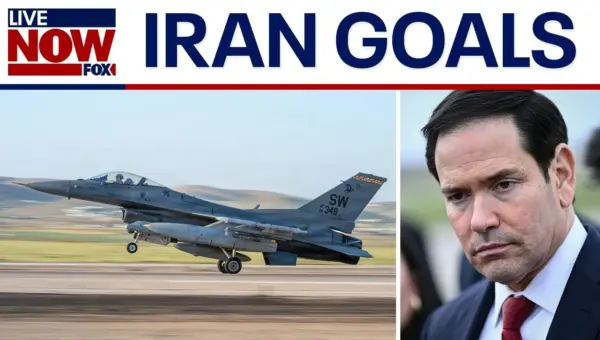
Rubio: US Can Achieve Iran War Goals Without Troops
Senator Marco Rubio outlined a strategy to counter Iran without deploying U.S. ground troops, focusing on weakening the regime and enhancing maritime security. He also criticized Cuba's economic system and expressed concerns about West Bank violence.