US Plane Down in Iraq: A Stark Reminder of War’s Hidden Costs
A U.S. KC-135 Stratotanker crashed in western Iraq due to a mid-air collision, highlighting the hidden human costs of ongoing conflicts. Rescue efforts are underway amidst escalating regional tensions.

US Plane Down in Iraq: A Stark Reminder of War’s Hidden Costs
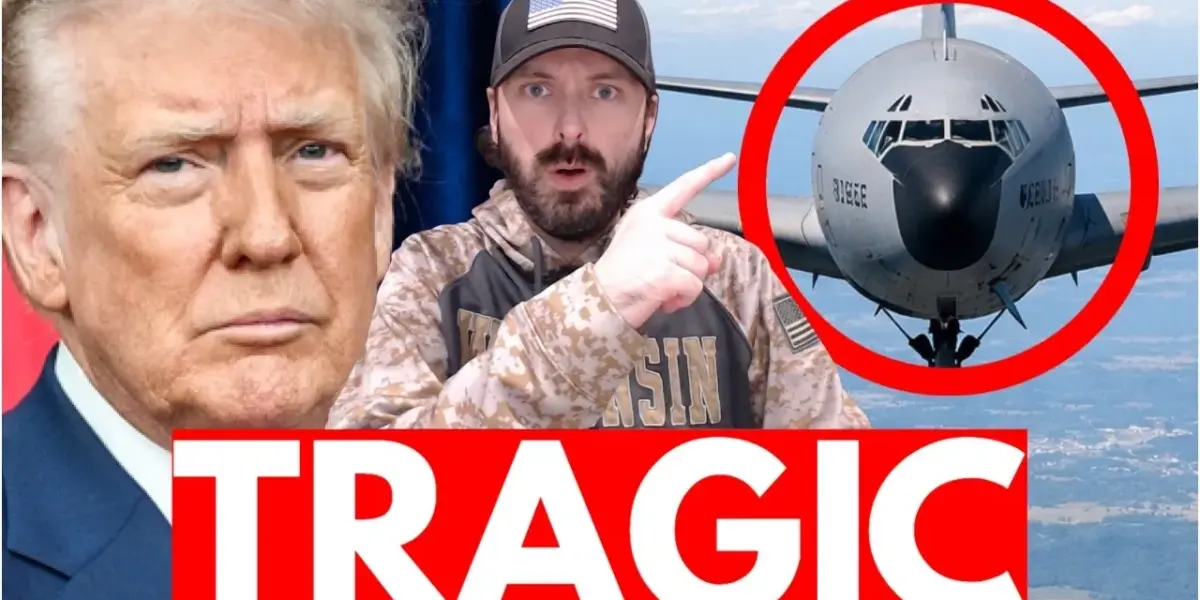
The ongoing conflict with Iran has delivered a grim and tragic blow, not from enemy fire, but from a devastating accident. On the night of March 12th, news broke of a U.S. KC-135 Stratotanker aircraft going down in western Iraq. While the circumstances are still unfolding, the incident serves as a brutal and poignant reminder of the immense sacrifices made by American service members, even when far from the direct line of fire.
A Mid-Air Collision in ‘Friendly Airspace’
According to U.S. Central Command, the incident occurred during Operation Epic Fury within what is described as ‘friendly airspace.’ Two KC-135 refueling aircraft were involved, with one crashing and the other managing to land safely. Crucially, U.S. military statements have indicated that the crash was not a result of hostile or friendly fire, pointing towards an accidental mid-air collision between the two tankers.
The immediate aftermath has been marked by uncertainty and a desperate rescue effort. Information regarding the number of personnel on board the downed aircraft has varied, with initial reports suggesting between five and six individuals. The difficulty of bailing out of a KC-135, particularly in challenging terrain, has led to fears of a tragic outcome, though hopes for survival, however slim, persist.
Rescue Efforts Underway Amidst Escalating Tensions
The U.S. military has mobilized search and rescue operations, with footage emerging of U.S. Air Force HC-130J Combat King II aircraft, specialized in combat search and rescue, flying low over western Iraq. These efforts are aimed at locating the crash site and, hopefully, any survivors. The image of these specialized aircraft scouring the landscape underscores the urgency and gravity of the situation.
Adding to the somber mood, reports have surfaced of the Iranians firing ballistic missiles, with sirens reportedly sounding in Turkey. This development, occurring concurrently with the downed U.S. aircraft, highlights the volatile and escalating nature of the broader conflict. The accident, while not directly caused by enemy action, occurs within a deeply dangerous geopolitical context.
The Unseen Burdens of Modern Warfare
This incident is more than just a statistic in a war; it is a deeply human tragedy. The families of those on board are left in agonizing suspense, their lives irrevocably altered by the unknown fate of their loved ones. The KC-135 Stratotanker, a vital asset for aerial refueling, plays a critical role in extending the reach and endurance of U.S. air power. Its loss, even through an accident, impacts operational capacity and, more importantly, represents the loss of skilled personnel.
The transcript emphasizes the profound emotional toll of such events. The presenter repeatedly calls for prayers, not just for those on the plane, but for their families and friends, acknowledging the profound grief and uncertainty that such a loss inflicts. The sentiment is clear: war’s cost is not solely measured in combat casualties but also in the tragic accidents and the enduring pain they inflict.
Historical Context: Accidents in the Skies
Mid-air collisions, while rare, are a known hazard in aviation, particularly in complex military operations involving multiple aircraft. Historically, military aviation has seen its share of tragic accidents stemming from equipment failure, human error, or unforeseen circumstances. These incidents, though devastating, are often a consequence of the high-risk, high-tempo nature of military flight operations. The U.S. military, with its global presence and extensive flight operations, is not immune to such events. The key distinction in this case is the context of an active conflict, which amplifies the emotional and strategic weight of any loss.
Why This Matters
The downing of the U.S. aircraft, even if accidental, underscores several critical points:
- The Human Cost of Conflict: War is inherently dangerous, and casualties can occur through various means, not just direct combat. Accidents in operational theaters, especially those involving loss of life, represent a significant human toll.
- Operational Risks: Military operations, particularly complex refueling missions in active conflict zones, carry inherent risks. These risks extend beyond enemy action to include the possibility of accidents due to the demanding nature of the missions.
- Public Perception and Morale: Tragic accidents can impact public morale and perceptions of the conflict. While the incident was not an act of aggression, it still represents a loss for the nation and a source of grief for the families involved.
- Geopolitical Volatility: The timing of this accident, alongside reports of Iranian missile launches, highlights the precariousness of the current geopolitical climate. Any incident, accidental or otherwise, can have cascading effects in an already tense region.
Implications, Trends, and Future Outlook
The loss of the KC-135 is a stark reminder of the inherent dangers faced by military personnel. In an era of sophisticated warfare, the focus often remains on technological advancements and strategic maneuvers. However, the human element, and the potential for tragic accidents, remains a constant. This incident may prompt a review of operational procedures, particularly concerning the coordination of refueling missions in active zones, to mitigate future risks.
The broader trend is one of persistent, low-level conflict and proxy engagements, where the line between peace and war is often blurred. In such environments, the risk of accidents and unintended escalations is ever-present. The future outlook suggests a continued need for vigilance, not only against enemy threats but also against the internal risks associated with prolonged military operations.
Ultimately, the downing of this U.S. aircraft is a tragic event that transcends the immediate conflict. It is a somber testament to the sacrifices of those in uniform and a powerful reminder that the costs of war extend far beyond the battlefield, touching families and communities with profound grief and uncertainty.
Source: BREAKING: U.S. Plane DOWN As Iran War Rages – Rescue UNDERWAY (YouTube)

Related Articles

US Strikes Cripple Iran’s Military Might, CENTCOM Reports
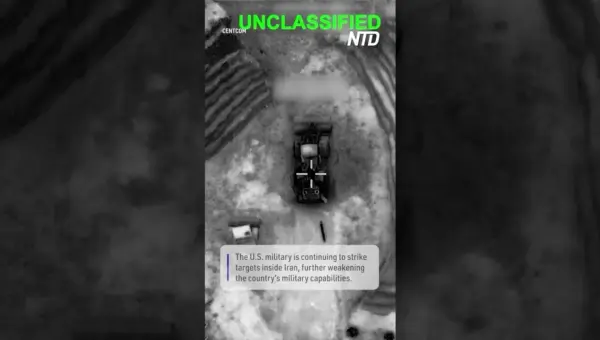
U.S. Central Command reports ongoing strikes inside Iran are significantly weakening its military power. This direct action aims to reshape regional security dynamics, but carries risks of escalation. The long-term impact depends on Iran's response and ability to adapt.


Iran’s Missile Threat Reduced by 90%, Analyst Says
An analyst reports that Operation Epic Fury has degraded Iran's missile launchers by 90%, despite challenges in targeting hidden sites. The conflict's duration and media coverage are also discussed, with implications for global energy markets and investor confidence.
Iran Missile Strikes Injure US Troops, Raise War Concerns
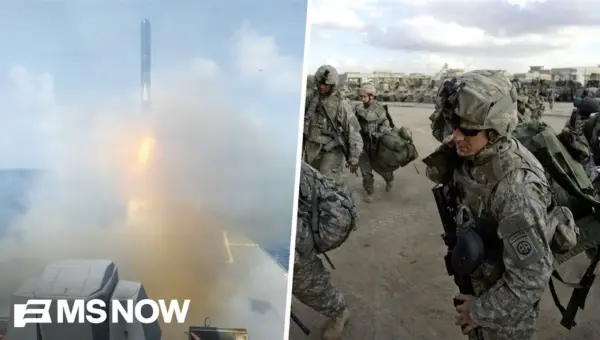
Iranian missile strikes have injured U.S. service members, escalating tensions as the conflict nears one month. The attacks are raising concerns about the effectiveness of U.S. military strategy and the depletion of crucial missile stockpiles. Global oil prices have surged, impacting economies worldwide.