Middle East War Poisons Air, Water, and Land
The war in the Middle East is causing a severe environmental crisis, releasing toxic pollutants into the air, water, and soil. Attacks on oil infrastructure and ships are leading to dangerous air quality, oil spills threatening marine life, and imperiled water security through damage to desalination plants. Experts warn of lasting health impacts and ecological damage.

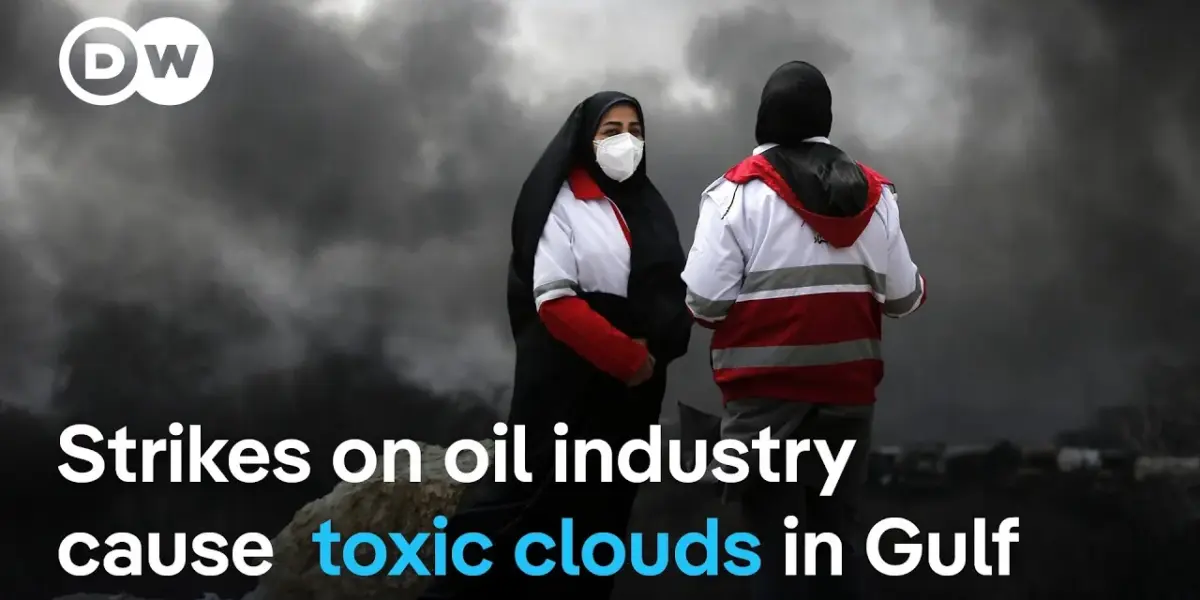
Middle East Conflict Unleashes Environmental Catastrophe
The escalating conflict in the Middle East is not only a humanitarian crisis but also a burgeoning environmental disaster, with attacks on oil infrastructure, ships, and industrial facilities releasing toxic pollutants into the air, water, and soil. The United Nations has issued stark warnings about the escalating risks to human health and ecosystems, predicting that the situation will worsen as the war continues.
Toxic Air and ‘Black Rain’ Plague Urban Centers
Strikes on oil depots and facilities, particularly in concentrated urban environments, are releasing dangerous particles and chemicals into the atmosphere. Dr. Gabrielle Desilva, an associate professor at the University of Melbourne, explained the severe health implications: “When you’re attacking oil depots and you have them burning in such a concentrated urban environment, you’re going to be producing particles, chemicals that you wouldn’t normally find in the air. They’re going to have a real impact on people’s immediate health. So, there’s people that will be struggling to breathe when exposed directly to it, triggers nausea and headaches.” Reports of “black rain” in parts of Iran are a direct consequence of this atmospheric contamination, posing immediate respiratory risks and potentially long-term health legacies for affected populations.
Oil Spills Threaten Marine Life and Food Security
Attacks on ships, including oil tankers, in vital waterways like the Persian Gulf carry a high risk of catastrophic oil spills. These incidents, exacerbated by the challenges of emergency response in conflict zones, directly threaten marine ecosystems and fisheries. “These oil spills… have a direct effect on marine life,” stated Muhammad Mahmud, who leads the Middle East climate and water policy wing at the United Nations University. He further elaborated on the cascading effects: “When you add to it potential toxic elements like vessels that are carrying oil, heavy metals, now you’re not just causing damage, but you’re accelerating the fatalities of these fish species and then that obviously cascades the secondary effects of food supply coming from that source.” The contamination of fish stocks has profound implications for regional food security, as many Gulf nations heavily rely on marine resources.
Water Security Imperiled by Infrastructure Attacks
The conflict poses a critical threat to water security, particularly in arid Gulf nations that depend heavily on desalination. Desalination plants, vital for providing freshwater for consumption, agriculture, and industry, have reportedly been targeted. “When you strike the desalination infrastructure now you’re really affecting those countries’ abilities to leverage water not just for civilian needs… but also for their economic, socio-economic capacity to grow and thrive,” warned Mahmud. He emphasized that water is a fundamental input for energy production, food security, and industrial growth, meaning attacks on water infrastructure have far-reaching economic and societal consequences. The contamination of groundwater, a finite resource in the region, further exacerbates these concerns.
Long-Term Environmental Legacy of Warfare
Drawing on lessons from past conflicts, experts highlight the enduring environmental damage caused by warfare. “Armed conflict does leave a real lasting environmental legacy and that impacts the population of these countries,” noted Dr. Desilva, referencing the ongoing struggles with contaminated water and waste management in Gaza, as well as the long-term health effects on service personnel exposed to burn pits and toxic materials from conflicts in Kuwait and Iran. The historical precedent of Agent Orange in Vietnam serves as a stark reminder of how defoliants and herbicides used in conflict can have devastating, multi-generational environmental and health impacts.
Limited Information Hinders Risk Assessment
A significant challenge in addressing the environmental crisis is the limited availability of information. “According to the conflict and environment observatory, however, information is limited. A detailed risk assessment of potential contamination of ecosystems, soil, water, air, and food is currently impossible,” the report states. This “flying blind” scenario, as described by experts, makes it difficult to gauge the full extent of the damage and to plan effective remediation efforts, especially in an active conflict zone.
Urgent Need for Environmental Protection Amidst Conflict
While the immediate focus remains on de-escalation, the environmental consequences demand urgent attention. “I think we know what should and shouldn’t be targeted. Certainly water infrastructure, desalination plants,” suggested Dr. Desilva regarding preventative measures. Muhammad Mahmud added that while the region has long grappled with water security, the new threat of direct military attacks on infrastructure complicates response strategies. Efforts to improve water reliability through wastewater reuse, water recycling, and enhanced water efficiency are ongoing but face unprecedented challenges when essential infrastructure becomes a target.
Looking Ahead: The Unfolding Environmental Crisis
As the conflict in the Middle East persists, the environmental repercussions are set to intensify. The international community faces the dual challenge of addressing the immediate humanitarian crisis while simultaneously confronting the long-term environmental damage that will impact the region for decades to come. Monitoring pollution levels, protecting critical water and energy infrastructure, and ensuring accountability for environmental destruction will be crucial in the months and years ahead.
Source: War causes acid rain, toxic air, contaminated water – How dangerous is it? | DW News (YouTube)

Related Articles


Israelis Forge Resilience Amidst Constant Bomb Shelter Drills
Life in Israel is a blend of resilience and constant vigilance, with many families adapting to frequent bomb shelter drills and even sleeping in makeshift shelters. Despite ongoing missile attacks, Israelis strive to maintain normalcy, though businesses face disruption and emotional fatigue is a growing concern.

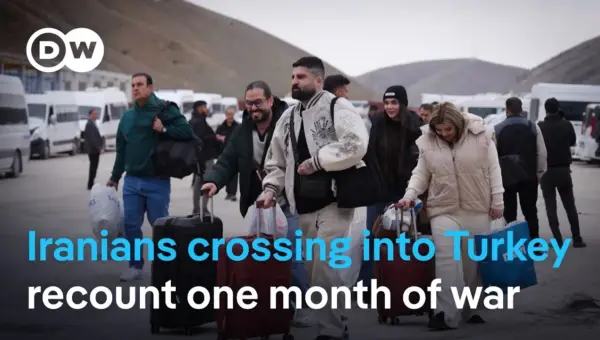
Iran War Exodus: Refugees Flee to Turkey Amidst Bombings
A train from Tehran brings refugees to Turkey, fleeing daily bombings and economic collapse. Many express deep fear for loved ones left behind, while some hold onto national pride and hope for victory. The conflict's impact is also felt economically in Turkey, with rising gas prices.


Israel Escalates Iran Strikes, Warns of Wider War
Israel has launched significant strikes inside Iran following continued missile fire, warning of further escalation. The conflict risks wider regional instability and economic disruption, especially concerning the Strait of Hormuz.