Explosive Rant: “What Are We Doing?!” Over Iran War
Financial expert Dylan Ratigan delivered a scathing critique of the Trump administration's approach to the Iran conflict, questioning the use of modern warfare and its economic fallout. He highlighted the critical Strait of Hormuz, warned of escalating recession risks due to soaring oil prices, and decried the human cost of technologically advanced warfare.

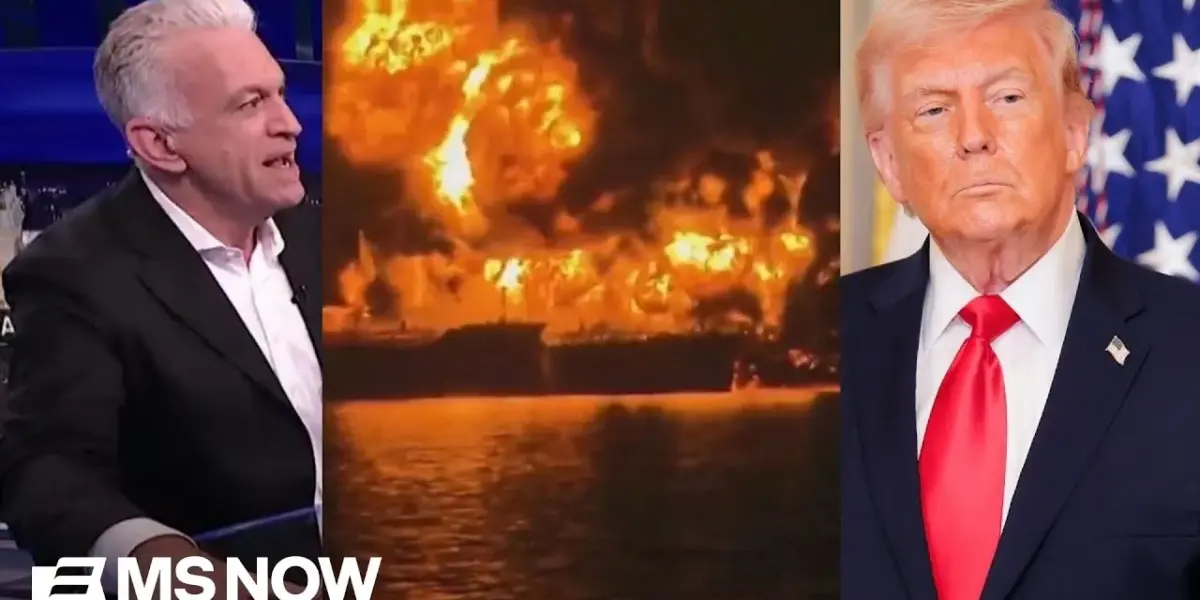
Expert Slams Trump Administration Over Iran Conflict, Economic Fallout
In a fiery on-air critique, financial expert Dylan Ratigan questioned the Trump administration’s handling of the escalating conflict with Iran, decrying the use of modern warfare and its devastating economic consequences. The segment, which aired live, saw Ratigan express profound disbelief and frustration over the current geopolitical strategy, particularly concerning the Strait of Hormuz and its impact on global energy markets.
Strait of Hormuz: A Known Chokepoint Ignored?
Ratigan highlighted the critical nature of the Strait of Hormuz, a vital waterway for global oil supply, emphasizing that its significance has been widely known for decades. He expressed astonishment that the administration did not take proactive measures, such as filling the Strategic Petroleum Reserve, prior to engaging in actions that have led to the current crisis. “This is a known choke point for the world’s… I think it’s most striking, this couldn’t be more widely known,” Ratigan stated, questioning the rationale behind the lack of preparedness.
The expert pointed to dramatic imagery of tankers on fire in the Strait of Hormuz as tangible evidence of the escalating danger. He contrasted this reality with what he described as President Trump’s “largely denying it, at times lying about it.”
The Evolving Nature of Warfare and Human Cost
Beyond the immediate geopolitical and economic concerns, Ratigan delved into the disturbing advancements in military technology. He expressed deep unease about the proliferation of low-cost, high-impact drones, describing them as “flying VW buses that can explode through any window of any city in the world.” This technological leap, he argued, renders traditional notions of conflict resolution obsolete and morally unacceptable.
“How is murdering people, especially women and children, random people in cities considered of a rational solution to, uh, to conflict resolution between governments?” Ratigan questioned, challenging the ethical underpinnings of modern warfare.
He contrasted historical military leaders like Napoleon, who engaged in direct, albeit lengthy, confrontations, with the remote, technologically driven nature of contemporary conflict. Ratigan specifically called out reports of a school being bombed in the initial actions of the conflict, followed by a second strike 40 minutes later. He found it implausible that a military with such advanced precision capabilities could “accidentally blow up children.”
Competence or Calculated Strategy?
Ratigan raised serious concerns about the competence of the administration’s decision-making process. He cited reports suggesting that President Trump proposed sourcing oil from Venezuela to compensate for disruptions, a quantity that represents less than 1% of the flow through the Strait of Hormuz. This, he suggested, indicated a potential lack of understanding of the scale and complexities of the situation.
However, Ratigan also posited a more unsettling alternative: a form of “hyper-competence” driven by a deliberate strategy to harm the Chinese economy by cutting off its oil supply, while simultaneously pushing the American economy into a recession. “What if it’s a desire to shut down the Chinese oil supply, at the same time jacking the American economy into a recession by raising the gates?” he speculated.
Economic Repercussions and Recession Fears
The immediate economic fallout from the conflict was a central theme. Ratigan pointed to a 50% increase in oil prices in the last month alone, a significant shock to the global economy that affects not only transportation and power generation but also the agricultural sector, contributing to rising grocery prices.
He concluded that the recession risk is now at its highest in years, directly attributing it to the war. When asked if the conflict was worth the risk, Ratigan was unequivocal. “No, it was not worth it,” he stated, reiterating his rejection of warfare that results in the indiscriminate killing of civilians.
The Broader Implications
Ratigan extended his critique to the administration’s broader economic policies, including President Trump’s fixation on the Federal Reserve and his unprecedented investigation into Fed members. He warned that the current trajectory significantly increases the risk of a recession, driven by volatile oil prices and geopolitical instability.
The expert also touched upon the potential alienation of international allies and the damage to America’s moral standing on the global stage. He questioned whether the potential benefits of the conflict, such as neutralizing Iran as a threat, would outweigh the substantial economic costs, the compromised international relationships, and the ethical compromises involved.
Looking Ahead
Ratigan’s impassioned plea for a more rational and humane approach to conflict resolution underscores the urgent need for diplomatic solutions and a re-evaluation of the role of advanced weaponry in international relations. The ongoing conflict and its ripple effects on global markets and stability will undoubtedly remain a critical issue to monitor in the coming months.
Source: 'WHAT ARE WE DOING?!': See epic anti-Trump, anti-war rant on live TV (YouTube)

Related Articles
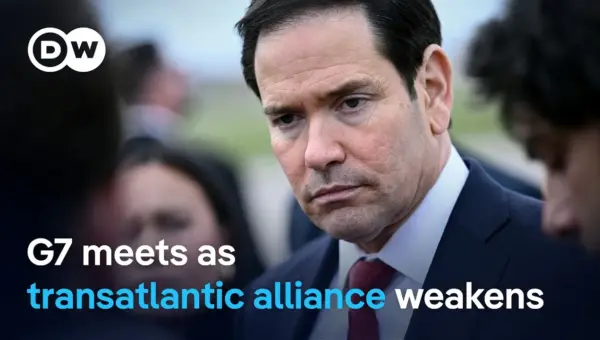
G7 Allies Clash Over Iran War Strategy, Urge Focus on Russia
G7 foreign ministers met in Paris, revealing deep divisions over the U.S. war with Iran. European allies urged the U.S. to pressure Russia, linking its actions to the conflict and fearing support for Ukraine will wane.

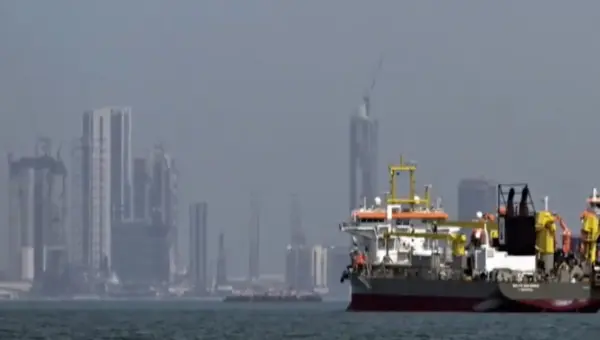
Iran Blocks China Ships, Exposing Beijing’s Weak Grip
Iran's recent decision to block Chinese ships at the Strait of Hormuz is exposing the limits of Beijing's influence in the Middle East. This action is causing delays and cancellations for Chinese manufacturers, turning a perceived geopolitical win into an economic strain.
Trump’s “Walk Away” Tactic Signals Tougher Stance on China
Retired Air Force Brigadier General David Stillwell believes President Trump's strategy of being willing to walk away from negotiations puts pressure on China. This tactic, combined with US global actions and strengthened alliances, signals a more assertive American foreign policy.