JFK’s Ghost? Democrats Explore Tax Cuts Amidst Shifting Economic Views
Democratic Senators Cory Booker and Chris Van Hollen are reportedly exploring tax cut proposals for middle-class Americans, sparking discussion about a potential resurgence of John F. Kennedy's economic principles. While aiming to provide relief, these plans also include significant tax hikes for top earners, drawing both praise and criticism.

Democrats Reconsider Tax Policy, Echoing JFK’s Legacy
In a surprising turn in the ongoing debate surrounding tax policy, prominent Democratic figures are reportedly exploring plans that echo the principles of tax reduction, a stark contrast to recent party platforms. This shift, highlighted in a Wall Street Journal report, has led some observers to question if the spirit of President John F. Kennedy, the last Democratic president to champion significant tax cuts, is experiencing a resurgence within the party.
Proposed Plans Target Middle Class Relief, Higher Top Rates
Senators Cory Booker and Chris Van Hollen are reportedly developing proposals aimed at providing tax relief to middle-class Americans. While the specifics differ, the core of their plans involves raising the standard deduction and other credits, potentially making the first $75,000 of income tax-free for many. This approach seeks to lower the tax burden on working families and those earning up to approximately $100,000.
However, these proposals are coupled with significant tax increases on higher earners. Van Hollen’s plan, as detailed in the Wall Street Journal, includes a surtax that could escalate to 10%, potentially pushing the top marginal tax rate close to 50%. When combined with state and local taxes in high-tax states like New York, Oregon, and California, top earners could face effective tax rates in the mid-60% range. Senator Booker’s plan reportedly suggests raising the top rate from 35% to 37%, with additional increases to 41% and 43% in certain brackets.
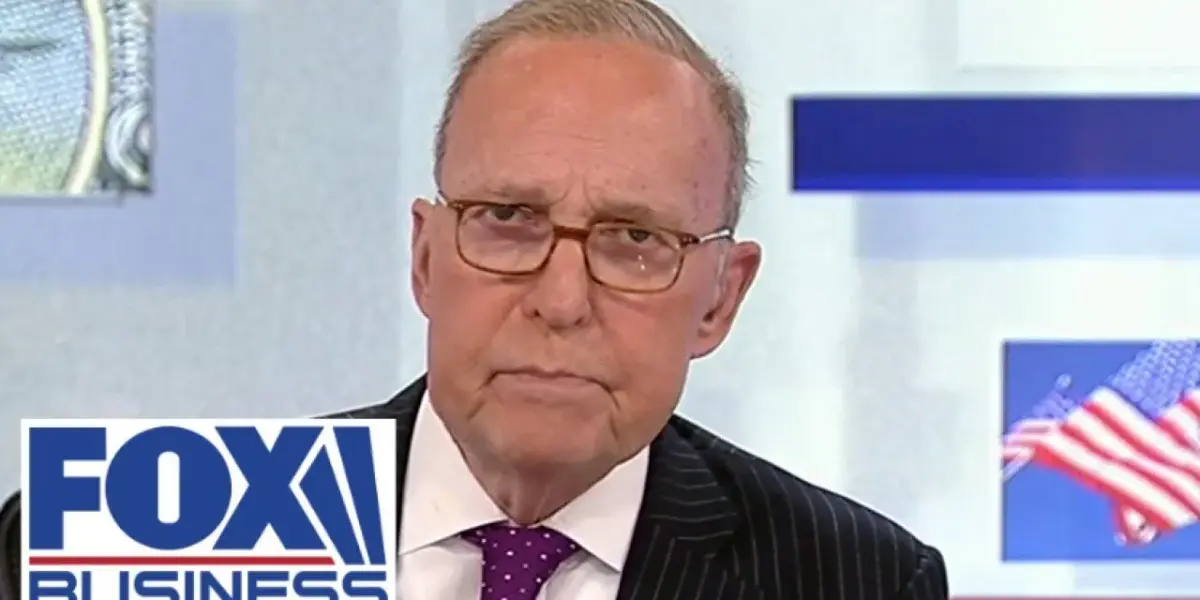
“Now these tax rates like these would squelch work and investment would lead to a depressed economy and higher unemployment and by the way, even larger budget deficits.”
Larry Kudlow
Criticism Mounts Over Proposed Tax Hikes on Success
Critics, including economist Larry Kudlow, argue that such punitive tax rates on successful individuals and entrepreneurs would stifle economic growth. Kudlow contends that these policies would discourage work, investment, and risk-taking, ultimately leading to a less prosperous economy and potentially larger budget deficits. He draws a parallel to supply-side economics, often associated with President Kennedy and economist Arthur Laffer, which posits that lower tax rates incentivize economic activity.
“Punish success and prosperity, you get less success and prosperity,” Kudlow stated, emphasizing the principle that tax cuts can encourage effort and risk-taking. He invoked Kennedy’s oft-quoted sentiment, “A rising tide will lift all boats,” suggesting that broad-based economic growth benefits everyone without the need for punitive measures against specific groups.
A Potential Acknowledgment of Trump-Era Policies?
The exploration of tax cuts by Democrats has also led to speculation about a potential acknowledgment of the economic strategies championed by former President Donald Trump. During his presidency, Trump enacted significant across-the-board tax cuts, which he argued would stimulate the economy. Kudlow suggests that the current Democratic proposals might indicate a recognition, however indirect, that tax reduction can be a viable economic tool.
The shift in rhetoric is notable, especially after Democrats largely opposed the roughly $5 trillion tax hike legislation passed last year. The current proposals, while distinct from Trump’s across-the-board cuts, signal a departure from a universal stance favoring higher taxes. This re-evaluation comes as presidential hopefuls within the Democratic party are beginning to outline their economic platforms for the upcoming election cycle.
Broader Economic Implications and Historical Context
The debate over tax policy has profound implications for economic growth, investment, and income inequality. Historically, tax rates have been a central point of contention in economic policy, with different administrations advocating for varying approaches. President Kennedy’s tax cuts in the early 1960s are often cited as a period of significant economic expansion, while later periods have seen debates over progressive taxation and its impact on wealth creation.
The current proposals from Senators Booker and Van Hollen represent a complex balancing act: aiming to provide relief to a substantial portion of the electorate while simultaneously increasing the tax burden on the wealthiest. The success of such policies will likely depend on their ability to stimulate economic activity without unduly hindering investment or driving capital elsewhere. The notion of “supply-side economics” is being re-examined, with Democrats appearing to cautiously embrace some of its tenets for certain income brackets.
Looking Ahead: Will Tax Cuts Become a Democratic Talking Point?
As the political landscape continues to evolve, the question remains whether these explorations into tax reduction will translate into a more widespread shift in Democratic economic strategy. The potential for a “JFK comeback” in economic thinking within the party will be closely watched. Future policy proposals and the broader public discourse surrounding taxation will offer further insights into whether Democrats are indeed rediscovering the appeal of tax cuts as a tool for economic prosperity, or if these initiatives represent a tactical adjustment rather than a fundamental ideological change.
Source: Larry Kudlow: Is JFK having a comeback? (YouTube)

Related Articles


White House Launches “OnlyFarms” Website for Farmer Support
The White House has launched "OnlyFarms," a new website at onlyfarmms.gov, to highlight benefits and support for American farmers facing rising costs. The initiative aims to showcase how administration policies are intended to ease financial burdens and lower prices for both producers and consumers.


Polls Spell Doom: Republicans Face Voter Backlash
New polling data reveals a sharp decline in public confidence regarding the economic impact of Republican policies, particularly under Donald Trump. A significant majority now feel financially worse off, a trend that is especially pronounced among independent voters. This economic discontent poses a major challenge for the Republican party heading into future elections.


Florida Shockwave: Red State Flip Signals GOP’s Midterm Peril
Democrats have secured key victories in deep-red Florida districts, boosting their chances of winning both the House and Senate in the upcoming midterms. This surprising trend suggests a potential shift in voter sentiment, even in traditionally Republican strongholds.