Pentagon Restricts Press Access Amid Iran War Concerns
The Pentagon has reportedly restricted press access, including banning photographers, amid escalating tensions with Iran and revelations of severe troop injuries following a drone attack. Critics allege a focus on image control and potential cover-ups, hindering transparency during wartime.


Pentagon Limits Journalist Access Amid Escalating Iran Tensions
In the wake of a recent Iranian drone attack that resulted in the deaths of six U.S. service members, the Pentagon has reportedly intensified restrictions on journalists, raising concerns about transparency during a critical period of escalating conflict with Iran. The move comes as new details emerge about the severity of injuries sustained by U.S. troops, with dozens suffering from brain trauma, shrapnel wounds, and burns, and at least one facing potential limb amputation.
Severe Injuries Underscore Need for Media Access
The full extent of the casualties from the Iranian drone attack in Kuwait has become clearer, with CBS News reporting that dozens of troops sustained significant injuries. These include traumatic brain injuries, shrapnel wounds, and burns, highlighting the brutal reality of the conflict. More than 30 military members remained hospitalized as of Tuesday night, underscoring the critical role journalists play in reporting on the war and the Pentagon’s actions, especially during heightened tensions.
Pentagon Cites Space Efficiency Amid Photographer Ban
Despite the crucial need for independent reporting, Pentagon leadership, under Secretary Pete Hegseth, has been accused of intensifying restrictions on journalists. Following Hegseth’s first press briefing in months, photographers from major outlets including the Associated Press, Reuters, and Getty Images were reportedly banned from subsequent briefings. The Washington Post reported that this decision was made after Hegseth’s staff took issue with the way the Secretary appeared in published photographs.
According to sources familiar with the decision, Hegseth’s aides decided to exclude photographers from Pentagon briefings on March 4th and March 10th. The Pentagon’s official reason for the ban was to “use the space more effectively.” However, this explanation has been met with skepticism from members of the press corps.
Concerns Over Performative Leadership and Image Control
Paul McCleary, a Politico Pentagon reporter, described the current environment for journalists at the Pentagon as highly controlled. “We’re not allowed in the building anymore really except for briefings like this and you know we’re kind of escorted in and then escorted out right after the uh… right after the press conference,” McCleary stated. He also noted that Hegseth has been favoring certain conservative and right-wing outlets, inviting them to credential and then calling on them during press conferences.
“I think the thing with the photo is it’s Hegseth’s tenure here has been a lot of it has been performative, right? I mean, I think since the beginning, he’s he’s kind of camera ready, um, ready to do this stuff, but then if you know they’re very concerned about image, you know, and if something doesn’t look right, if it’s not produced the way that they wanted to produce it, then they clearly don’t want it out there and they don’t want it to happen. That’s why it’s so tightly controlled.”
– Paul McCleary, Politico Pentagon Reporter
McCleary elaborated on the administration’s focus on image control, suggesting that any unflattering depictions of Secretary Hegseth, such as a furrowed brow or an angry expression, are deemed undesirable. The Pentagon staff are reportedly documenting Hegseth’s appearances with their own cameras to create campaign-style videos, indicating a preference for tightly controlled narratives over independent journalistic coverage.
Delayed Information on Troop Injuries Raises Questions
The delay in informing the public about the extent of troop injuries has also become a point of contention. While acknowledging that accurate reporting of casualty figures takes time, McCleary noted that it took several days to receive an initial number of injured personnel following the attacks. This delay, coupled with the severity of the injuries, suggests that the administration may have been unprepared for casualties in what was envisioned as a “clean war” characterized by airstrikes and minimal ground presence.
Tim Miller, a commentator, drew parallels between Hegseth’s public persona and a caricature, suggesting that his focus on image management is detrimental to his role. “When a public figure becomes indiscernible in real life from their caricature on SNL, you’re like Bruce Willis in the sixth sense. Politically speaking, in the public’s mind, you’re dead. You just don’t know it,” Miller remarked.
Allegations of Cover-Up and Misinformation
Miller further accused the Pentagon of a cover-up, stating, “They’ve kicked Paul and others out of the Pentagon. We live in a free country. It’s ridiculous that reporters are being escorted in and out of the Pentagon during wartime.” He argued that the American people deserve transparency about the realities of the war, especially when “the president has lied several times about our complicity in the tomahawk attack on the girls’ school, lied to people’s face.”
Concerns about misinformation extend to the reporting of injuries, with Miller suggesting that the true number of injured soldiers was circulating on military blogs and social media for days before official confirmation. This alleged pattern of prioritizing image and control over transparency raises serious questions about the administration’s commitment to informing the public during a period of conflict.
Looking Ahead: Transparency and Accountability
As the situation in the region remains volatile, the Pentagon’s approach to media access and information dissemination will be closely scrutinized. The extent to which independent journalists can operate freely and report on the realities of the conflict, including troop casualties and the effectiveness of military operations, will be crucial for public understanding and accountability. Future actions by the Pentagon regarding press access and the speed and accuracy of casualty reporting will be key indicators of the administration’s commitment to transparency during wartime.
Source: 'LYING to the American people': Pentagon reportedly restricts access amid Trump's war in Iran (YouTube)

Related Articles
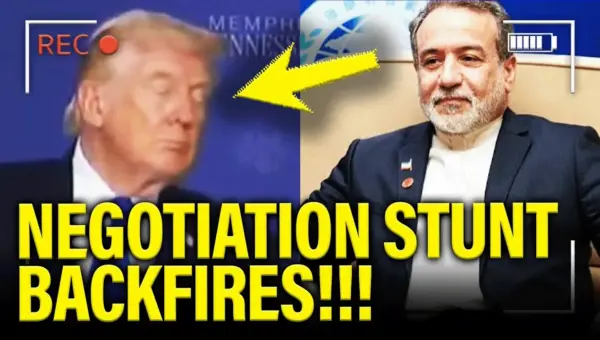
Mixed Signals: Trump’s Iran Stance Fuels War & Negotiation Chaos
Conflicting messages from Donald Trump regarding Iran's Strait of Hormuz threats and subsequent negotiation claims create diplomatic chaos. Expert analysis highlights the importance of autonomy in negotiation and warns against arbitrary deadlines, while the core question of U.S. involvement in such conflicts remains.
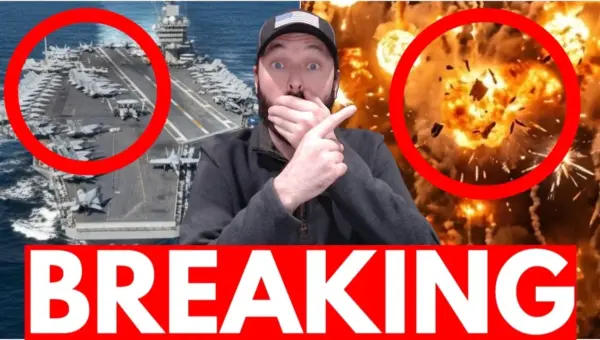
Iran Escalates, US Sends Third Carrier Amidst Mideast Turmoil
Iran has launched a major ballistic missile and cluster munition attack on Israel, while also striking Bahrain and the UAE. The US is responding by increasing its bombing campaign and deploying a third aircraft carrier to the Middle East. The Houthi group has also joined the conflict, firing missiles at Israel.
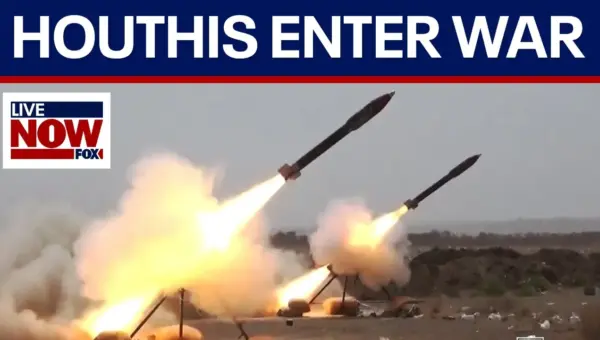
Iran-Backed Houthis Strike Israel, Escalating Regional Tensions
Iran-backed Houthi rebels have launched a missile attack targeting Israel, marking their first such strike since the current Middle East conflict began. The Israeli military confirmed the interception of the projectile. Analysts view this action as part of Iran's broader regional strategy, highlighting the regime's reliance on proxy forces amid internal weaknesses.