Strait of Hormuz Tensions Threaten Asia’s Fuel Security
The Strait of Hormuz blockade is creating significant concern for Asia's fuel security. Major importers like Japan, South Korea, Taiwan, China, and India are facing potential shortages and rising costs as they scramble for alternative oil and LNG supplies. The geopolitical tensions highlight the vulnerability of global energy markets.

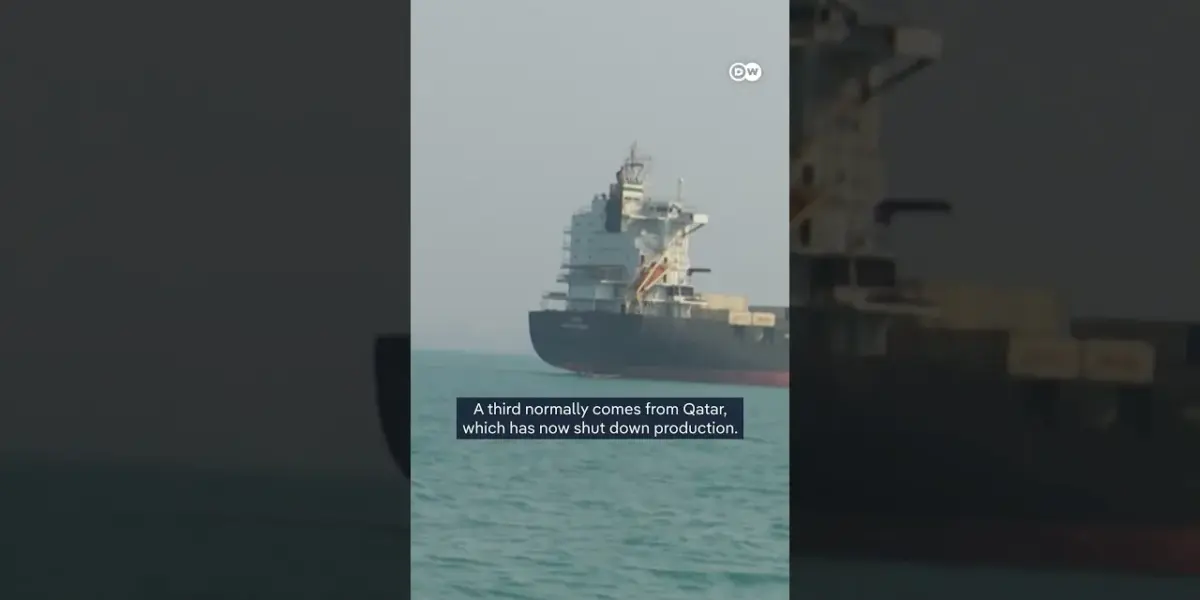
Hormuz Blockade Sparks Fears of Fuel Shortages in Asia
The recent disruption in the Strait of Hormuz, a critical chokepoint for global oil trade, has sent shockwaves through Asian energy markets, raising concerns about potential fuel shortages and economic instability across the continent. The strait, through which a significant portion of the world’s oil passes, has become a focal point of geopolitical tension, prompting nations heavily reliant on Middle Eastern crude to re-evaluate their energy security and explore alternative supply routes.
Japan and South Korea Scramble for Alternatives
Nations like Japan and South Korea, highly dependent on crude oil imports from the Middle East, are particularly vulnerable. Japan imports approximately 95% of its crude oil from the region. While existing reserves are expected to provide a temporary buffer, Japanese refiners are already pivoting towards sourcing crude from the United States to mitigate potential supply disruptions. South Korea faces a similar predicament, with about 70% of its crude oil and 20% of its liquefied natural gas (LNG) passing through the Strait of Hormuz. Seoul is actively chartering additional tankers to transport supplies from UAE ports and is tapping into shared strategic reserves to ensure continued energy flow.
Taiwan’s Energy-Intensive Industries at Risk
Taiwan, another significant importer of energy resources, also relies heavily on supplies transiting the Strait. A substantial portion of its LNG, typically a third of its normal supply, comes from Qatar, which has reportedly halted production amidst the escalating tensions. Taiwanese officials have assured the public that current demand can be met for the time being. However, the nation’s energy-intensive industries, most notably semiconductor manufacturing, are acutely aware of the risks posed by any prolonged disruption, highlighting the delicate balance of global supply chains.
China and India Face Varying Degrees of Vulnerability
China, a major consumer of Iranian oil, is reportedly receiving around 1.4 million barrels per day. With much of this already in transit or in storage, China is believed to have a buffer of approximately four to five months. This provides a degree of short-term security, but the long-term implications of altered trade routes and potential geopolitical realignments remain a concern. India, on the other hand, possesses significantly thinner crude oil reserves, with current stockades lasting less than a month. The country’s vulnerability is heightened by its substantial reliance on imported oil. Experts warn that if both India and China turn to Russia for alternative oil supplies, it could inadvertently bolster Moscow’s market position and influence amidst the ongoing global energy landscape shifts.
The Challenge of Alternative Supplies and Soaring Costs
While alternative oil sources exist in regions such as Brazil, West Africa, and the United States, the logistical challenges and escalating costs present significant hurdles. The journey of these alternative barrels to Asian shores takes several weeks, and the demand surge is driving freight costs to record highs. This increase in transportation expenses adds another layer of economic pressure on Asian nations already grappling with the potential for supply instability. The interconnectedness of the global energy market means that disruptions in one key region can have far-reaching and costly consequences for consumers and industries worldwide.
Looking Ahead: Geopolitical Tensions and Energy Diplomacy
The situation in the Strait of Hormuz underscores the fragility of global energy security and the profound impact of geopolitical events on international trade. As nations scramble to secure their energy needs, the coming weeks and months will be crucial in determining the long-term stability of oil and gas supplies to Asia. Continued diplomatic efforts to de-escalate tensions in the region, coupled with strategic investments in diversified energy sources and infrastructure, will be paramount in navigating this complex and evolving energy landscape. The market will be closely watching for any further developments in the Strait and the efficacy of the contingency measures being implemented by key Asian economies.
Source: Hormuz shock: Asia's oil buffers tested by Iran war | DW News (YouTube)

Related Articles

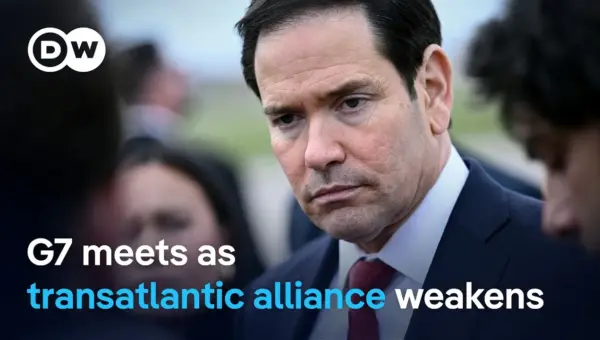
G7 Allies Clash Over Iran War Strategy, Urge Focus on Russia
G7 foreign ministers met in Paris, revealing deep divisions over the U.S. war with Iran. European allies urged the U.S. to pressure Russia, linking its actions to the conflict and fearing support for Ukraine will wane.
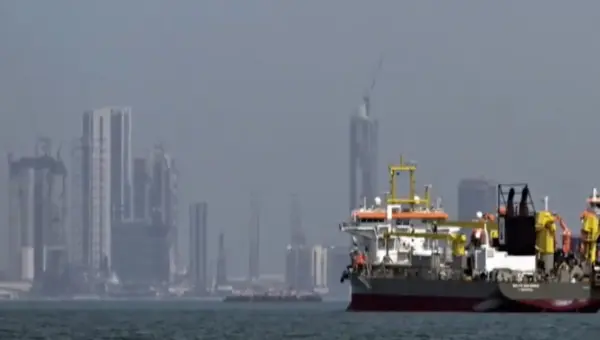
Iran Blocks China Ships, Exposing Beijing’s Weak Grip
Iran's recent decision to block Chinese ships at the Strait of Hormuz is exposing the limits of Beijing's influence in the Middle East. This action is causing delays and cancellations for Chinese manufacturers, turning a perceived geopolitical win into an economic strain.
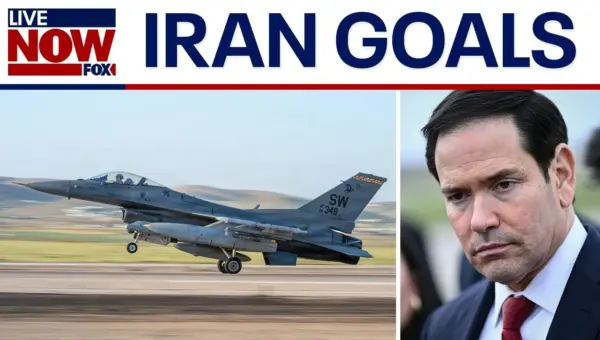
Rubio: US Can Achieve Iran War Goals Without Troops
Senator Marco Rubio outlined a strategy to counter Iran without deploying U.S. ground troops, focusing on weakening the regime and enhancing maritime security. He also criticized Cuba's economic system and expressed concerns about West Bank violence.